

Altitude is a significant factor that can have a notable impact on the performance of dry type transformers. As a trusted supplier of dry type transformers, we understand the complexities associated with how altitude affects these crucial electrical devices. In this blog, we will delve into the various aspects of how altitude influences the performance of dry type transformers, and why it's essential to consider this when making a purchase decision.
1. Basic Principles of Dry Type Transformers
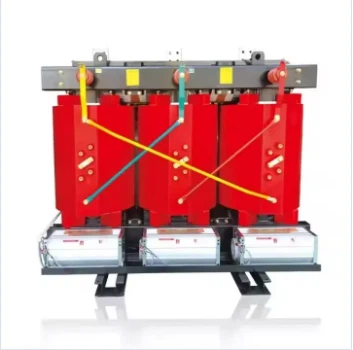
Before we explore the impact of altitude, let's briefly understand the basic working principles of dry type transformers. Dry type transformers are used to transfer electrical energy between circuits through electromagnetic induction. Unlike oil - filled transformers, they do not use a liquid coolant. Instead, they rely on air for cooling, which makes them safer and more environmentally friendly, especially in indoor or sensitive locations.
2. How Altitude Affects Cooling
One of the primary ways altitude impacts dry type transformers is through its effect on the cooling process. At higher altitudes, the air density decreases. The density of air is directly related to its ability to carry heat away from the transformer. As air density drops with increasing altitude, the convective heat transfer coefficient also decreases.
Convection is a key mechanism in the cooling of dry type transformers. The hot air around the transformer rises, creating a natural airflow that carries heat away. With less dense air at high altitudes, this natural convection process becomes less efficient. As a result, the transformer may not be able to dissipate heat as effectively as it would at lower altitudes. This can lead to an increase in the operating temperature of the transformer.
For example, a Non - encapsulated Dry Type Transformer that operates efficiently at sea - level may experience overheating at high altitudes if not properly rated. Overheating can cause insulation degradation, reducing the lifespan of the transformer and potentially leading to premature failure.
3. Impact on Dielectric Strength
Another critical aspect affected by altitude is the dielectric strength of the air. Dielectric strength refers to the maximum electric field that a material can withstand without breaking down and allowing an electric current to flow. At higher altitudes, the lower air density means that the dielectric strength of the air is reduced.
Dry type transformers rely on the air as an insulating medium for certain components. When the dielectric strength of the air is decreased, there is an increased risk of electrical breakdown, such as partial discharges. Partial discharges can gradually damage the insulation of the transformer, leading to decreased performance and reliability.
In the case of a Delta Star Dry Type Transformer, the reduced dielectric strength at high altitudes can pose a challenge to its normal operation. Designers need to take this into account and may need to use additional insulation or other protection measures to prevent electrical breakdowns.
4. Power Rating Considerations
Due to the challenges presented by altitude in terms of cooling and dielectric strength, the power rating of a dry type transformer needs to be adjusted when operating at high altitudes. As a general rule, for every 1000 meters increase in altitude above sea - level, the power rating of the transformer may need to be derated.
The derating factor is typically determined based on a combination of factors, including the type of transformer, the cooling method, and the specific application. For example, a High - Quality Hot Sales 10kv 500kVA Three Phases Dry Type Transformer Factoryprice that is rated for full capacity at sea - level may need to be operated at a lower power level at high altitude to ensure safe and reliable operation.
5. Design Adaptations for High - Altitude Applications
To overcome the challenges posed by high altitudes, transformer manufacturers need to make specific design adaptations. These may include increasing the size of the cooling fins to enhance heat dissipation, using higher - quality insulation materials to compensate for the reduced dielectric strength of the air, and improving the overall ventilation design of the transformer.
At our company, we have extensive experience in designing and manufacturing dry type transformers for high - altitude applications. Our engineers take into account all the factors related to altitude, such as air density, dielectric strength, and temperature variations. We use advanced simulation tools to optimize the design of our transformers, ensuring that they can perform reliably even in the most challenging high - altitude environments.
6. Importance of Choosing the Right Transformer for High - Altitude Locations
When selecting a dry type transformer for a high - altitude location, it is crucial to work with a reputable supplier. A reliable supplier will have the expertise and experience to recommend the right transformer based on the specific altitude and other environmental conditions of the installation site.
We understand that every application is unique, and we offer a wide range of dry type transformers that can be customized to meet the specific requirements of high - altitude projects. Our team of experts is always available to provide technical support and guidance throughout the selection and installation process.

7. Conclusion and Call to Action
In conclusion, altitude has a significant impact on the performance of dry type transformers, affecting cooling, dielectric strength, and power rating. It is essential to consider these factors when choosing a transformer for a high - altitude location. As a leading supplier of dry type transformers, we have the knowledge and resources to provide you with the best solutions for your high - altitude applications.
If you are in need of a dry type transformer for a high - altitude project or have any questions about how altitude affects transformer performance, don't hesitate to reach out. We are here to assist you in making the right choice and ensuring the long - term reliability and efficiency of your electrical system.
References
- IEEE Std C57.12.01™-2016, IEEE Standard General Requirements for Dry - Type Distribution and Power Transformers
- IEC 60076 - 11:2004, Power transformers - Part 11: Dry - type transformers