

Evaluating the performance of a 69kV power transformer is a crucial task that requires a comprehensive understanding of its design, operation, and maintenance. As a supplier of 69kV power transformers, I have witnessed firsthand the importance of accurate performance evaluation in ensuring the reliability and efficiency of electrical power systems. In this blog post, I will share some insights on how to evaluate the performance of a 69kV power transformer, drawing on my experience in the industry.
Understanding the Basics of 69kV Power Transformers
Before delving into the evaluation process, it is essential to have a basic understanding of 69kV power transformers. These transformers are designed to step up or step down voltage levels in electrical power systems, typically from a higher voltage (such as 115kV or 230kV) to a lower voltage (such as 69kV) for distribution purposes. They play a critical role in transmitting and distributing electrical energy efficiently and safely.
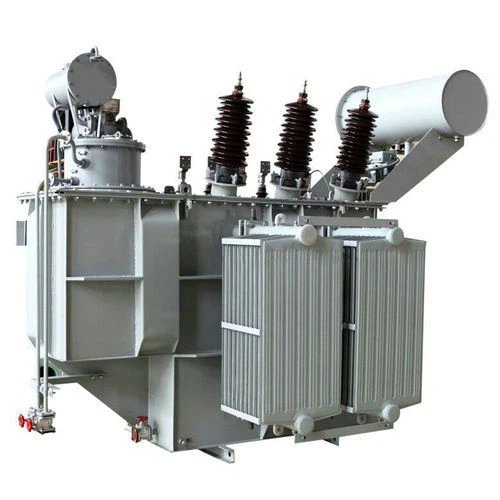
69kV power transformers are typically oil-immersed, which means they are filled with insulating oil to provide electrical insulation and cooling. The oil also helps to protect the transformer's internal components from moisture and oxidation. The transformer's core is made of laminated steel sheets, which reduce eddy current losses and improve efficiency. The windings are made of copper or aluminum conductors, which are insulated to prevent short circuits.
Key Performance Indicators
When evaluating the performance of a 69kV power transformer, several key performance indicators (KPIs) should be considered. These KPIs provide valuable insights into the transformer's efficiency, reliability, and overall health. Some of the most important KPIs include:
- Efficiency: Efficiency is a measure of how effectively the transformer converts electrical energy from the primary winding to the secondary winding. It is expressed as a percentage and is calculated by dividing the output power by the input power. A high-efficiency transformer will waste less energy as heat and will be more cost-effective to operate.
- Losses: Losses are the amount of energy that is wasted as heat in the transformer. There are two main types of losses: core losses and winding losses. Core losses are caused by the magnetic field in the core, while winding losses are caused by the resistance of the conductors in the windings. Minimizing losses is essential for improving the transformer's efficiency and reducing operating costs.
- Temperature Rise: Temperature rise is the increase in temperature of the transformer's windings and core above the ambient temperature. It is an important indicator of the transformer's thermal performance and can affect its lifespan. A high temperature rise can cause the insulation to degrade, leading to premature failure of the transformer.
- Dielectric Strength: Dielectric strength is a measure of the ability of the insulating oil to withstand electrical stress without breaking down. It is an important indicator of the transformer's insulation system and can affect its reliability. A low dielectric strength can indicate the presence of moisture or contaminants in the oil, which can lead to insulation failure.
- Sound Level: Sound level is a measure of the noise generated by the transformer during operation. It is an important consideration for transformers that are installed in residential or commercial areas, as excessive noise can be a nuisance to nearby residents. A low sound level is desirable for minimizing noise pollution.
Evaluation Methods
There are several methods that can be used to evaluate the performance of a 69kV power transformer. These methods can be broadly categorized into two types: offline tests and online monitoring.
Offline Tests
Offline tests are performed when the transformer is out of service and are typically used to assess the transformer's insulation system, core, and windings. Some of the most common offline tests include:
- Insulation Resistance Test: This test measures the resistance of the transformer's insulation system to the flow of electrical current. A high insulation resistance indicates that the insulation is in good condition, while a low insulation resistance can indicate the presence of moisture or contaminants in the insulation.
- Dielectric Dissipation Factor Test: This test measures the amount of electrical energy that is dissipated as heat in the insulation system. A high dielectric dissipation factor can indicate the presence of moisture or contaminants in the insulation, which can lead to insulation failure.
- Turns Ratio Test: This test measures the ratio of the number of turns in the primary winding to the number of turns in the secondary winding. A correct turns ratio is essential for the proper operation of the transformer.
- Short Circuit Test: This test measures the impedance of the transformer's windings and is used to determine the transformer's short circuit impedance. A low short circuit impedance can indicate a fault in the windings, such as a short circuit.
- Open Circuit Test: This test measures the core losses of the transformer and is used to determine the transformer's no-load losses. A high core loss can indicate a problem with the core, such as a short circuit or a magnetic defect.
Online Monitoring
Online monitoring is performed when the transformer is in service and is used to continuously monitor the transformer's performance and detect any potential problems in real-time. Some of the most common online monitoring techniques include:

- Temperature Monitoring: Temperature sensors are installed on the transformer's windings and core to monitor the temperature rise. Continuous temperature monitoring can help to detect overheating and prevent premature failure of the transformer.
- Oil Quality Monitoring: Oil samples are taken from the transformer at regular intervals and analyzed for moisture, acidity, and dissolved gases. Changes in the oil quality can indicate the presence of a problem in the transformer, such as insulation degradation or a fault in the windings.
- Partial Discharge Monitoring: Partial discharge is a localized electrical discharge that occurs in the insulation system of the transformer. Continuous partial discharge monitoring can help to detect insulation defects and prevent insulation failure.
- Vibration Monitoring: Vibration sensors are installed on the transformer to monitor the vibration levels. Changes in the vibration levels can indicate a problem with the transformer, such as a loose connection or a mechanical defect.
Importance of Regular Maintenance
Regular maintenance is essential for ensuring the reliable and efficient operation of a 69kV power transformer. Maintenance activities should be performed in accordance with the manufacturer's recommendations and industry standards. Some of the most important maintenance activities include:
- Oil Sampling and Analysis: Oil samples should be taken from the transformer at regular intervals and analyzed for moisture, acidity, and dissolved gases. Changes in the oil quality can indicate the presence of a problem in the transformer, such as insulation degradation or a fault in the windings.
- Inspection and Cleaning: The transformer should be inspected regularly for signs of damage, such as cracks in the insulation or loose connections. The transformer's external surfaces should also be cleaned to remove dirt and debris, which can affect the transformer's cooling performance.
- Tightening of Connections: The connections between the transformer's windings and the external electrical system should be tightened regularly to prevent loose connections, which can cause overheating and premature failure of the transformer.
- Lubrication of Moving Parts: The transformer's moving parts, such as the tap changer and the cooling fans, should be lubricated regularly to ensure smooth operation and prevent wear and tear.
Conclusion
Evaluating the performance of a 69kV power transformer is a complex task that requires a comprehensive understanding of its design, operation, and maintenance. By considering the key performance indicators, using appropriate evaluation methods, and performing regular maintenance, it is possible to ensure the reliable and efficient operation of the transformer.
As a supplier of 69kV power transformers, we are committed to providing high-quality products and services to our customers. Our transformers are designed and manufactured to meet the highest industry standards and are backed by our experienced technical support team. If you are interested in purchasing a 50000KVA 50MVA 115KV Step Down With OLTC To 23KV Three Phase Substation Transformers, Oil Immersed Transformer, or any other Power Transformers, please feel free to contact us for more information and to discuss your specific requirements. We look forward to working with you to meet your power transformer needs.
References
- IEEE Standard C57.12.00-2010, "Standard General Requirements for Liquid-Immersed Distribution, Power, and Regulating Transformers."
- IEC 60076-1:2011, "Power transformers - Part 1: General."
- ANSI C57.12.20-2010, "Standard Requirements, Terminology, and Test Code for Distribution Transformers, Single-Phase, 2500 kVA and Smaller; Three-Phase, 10000 kVA and Smaller, 60 Hz."