

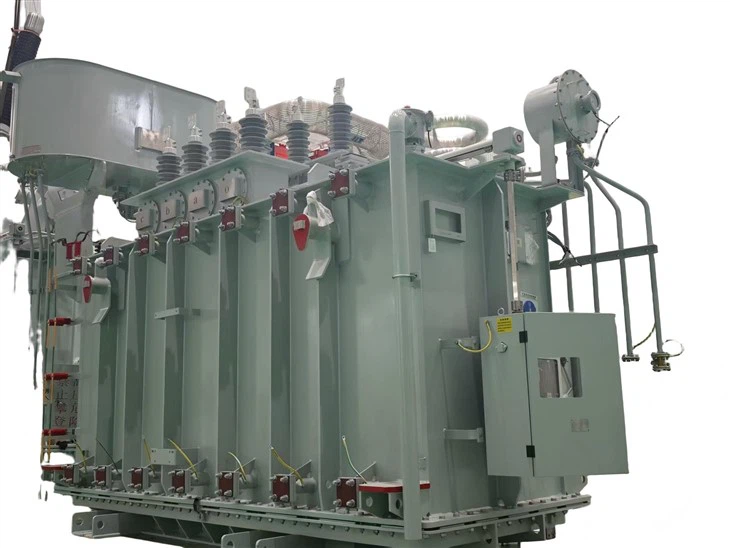
As a supplier of Oil Immersed Transformers, I understand the crucial role these transformers play in the transmission and distribution of electrical power. One of the most common and critical issues we face in the operation of oil-immersed transformers is overheating. In this blog, I'll discuss the causes of overheating in oil-immersed transformers and provide a series of effective prevention measures.
Causes of Overheating in Oil-Immersed Transformers
1. Overload
Overload is a frequent cause of overheating in oil-immersed transformers. When the transformer is required to supply more power than its rated capacity, the current flowing through its windings increases. According to Joule's law (P = I²R), where P is the power dissipated as heat, I is the current, and R is the resistance, an increase in current leads to a significant increase in heat generation. If the overload persists for a long time, the temperature of the windings and the insulating oil will rise continuously, exceeding safe limits.
2. Poor Cooling System Performance
The cooling system is essential for maintaining the normal operating temperature of an oil-immersed transformer. There are various cooling methods, such as oil natural air natural (ONAN), oil natural air forced (ONAF), and oil forced water cooled (OFWF). If the cooling system fails, for example, due to a malfunctioning fan, blocked radiator fins, or a faulty oil pump, the heat dissipation efficiency will be greatly reduced. As a result, heat accumulates inside the transformer, causing the temperature to rise.
3. Faulty Insulation
Insulation materials in transformers are used to prevent electrical short - circuits between the windings and other components. Over time, insulation can degrade due to factors such as aging, moisture ingress, or electrical stress. When the insulation deteriorates, it may cause partial discharges or short - circuits. These electrical faults generate additional heat, which can lead to overheating of the transformer.
4. High Ambient Temperature
The ambient temperature has a direct impact on the operating temperature of the transformer. In a hot climate or in an environment where there is limited ventilation, the transformer has to work harder to dissipate heat. If the ambient temperature is close to or exceeds the design limit of the transformer, it becomes more difficult for the cooling system to maintain the normal temperature, and the risk of overheating increases.
Prevention Measures
1. Load Management
Proper load management is crucial to prevent overheating. Before installing a transformer, it is necessary to accurately calculate the load requirements of the electrical system. For existing systems, regular load monitoring should be carried out. Real - time monitoring devices can be installed to measure the current, voltage, and power factors. If the load approaches the rated capacity of the transformer, measures such as load shedding or redistributing the load to other transformers can be taken.

2. Regular Maintenance of the Cooling System
The cooling system should be inspected and maintained regularly. For fans and oil pumps, check for proper operation, bearing wear, and lubrication. Clean the radiator fins regularly to remove dust and debris that may block the airflow. In the case of a water - cooled system, check the water flow rate, temperature, and the integrity of the water pipes. Any signs of leakage or malfunction should be addressed immediately.
3. Insulation Testing and Maintenance
Regular insulation testing is necessary to detect early signs of insulation degradation. Techniques such as dielectric loss factor measurement, insulation resistance testing, and partial discharge testing can be used. If insulation degradation is detected, appropriate measures should be taken, such as replacing the insulation materials or performing corrective maintenance. To prevent moisture ingress, ensure that the transformer is properly sealed, and dehumidification devices can be installed in the transformer room.
4. Temperature Monitoring
Install temperature sensors at critical points in the transformer, such as the windings and the top - oil. Continuous temperature monitoring can provide early warnings of overheating. Alarm systems can be set up to alert the operators when the temperature exceeds the safe limits. Based on the temperature data, proactive measures can be taken to prevent a minor temperature rise from developing into a serious overheating problem.
5. Site Selection and Ventilation
When choosing a site for installing the transformer, consider the ambient temperature and ventilation conditions. Avoid placing the transformer in direct sunlight or in a confined space. Ensure that there is sufficient space around the transformer for proper air circulation. In some cases, the installation of ventilation fans or the construction of a well - ventilated transformer room can improve the heat dissipation environment.
The Importance of Quality Transformers
Choosing high - quality oil - immersed transformers from a reliable supplier is the foundation for preventing overheating. As a transformer supplier, we are committed to providing customers with transformers that meet high - quality standards. Our Power Transformers are designed with advanced technology and high - quality materials to ensure excellent performance and reliability.
For example, our 125MVA 138KV 24.94KV Step Down Transformer is engineered with a highly efficient cooling system and high - quality insulation materials. These features help to reduce the risk of overheating and ensure long - term stable operation. In addition, our 110KV 6.3MVA - 63MVA 3 - Phase Power transformer has a robust design that can withstand various operating conditions, providing a reliable power supply for different applications.
Conclusion
Overheating is a serious problem that can affect the performance and lifespan of oil - immersed transformers. By understanding the causes of overheating and implementing effective prevention measures, such as load management, cooling system maintenance, insulation testing, temperature monitoring, and proper site selection, we can significantly reduce the risk of overheating. At the same time, choosing high - quality transformers from a reputable supplier is essential.
If you are interested in our oil - immersed transformers or need more information on preventing overheating, please feel free to contact us. We are looking forward to discussing your requirements and helping you find the most suitable transformer solutions. Our professional team is always ready to provide you with the best product and service.
References
- Electric Power Research Institute. "Transformer Maintenance Guide".
- International Electrotechnical Commission (IEC). "Standards for Power Transformers".