

How to Reduce the Acoustic Noise of Power Transformers?
As a trusted supplier of Power Transformers, I understand the critical importance of minimizing the acoustic noise generated by these essential electrical devices. Power transformers are widely used in various industries, from power generation and distribution to industrial manufacturing and commercial buildings. However, the noise they produce can be a significant nuisance to nearby residents and workers and may even lead to environmental and regulatory issues. In this blog post, I will share some effective strategies and techniques for reducing the acoustic noise of power transformers based on our extensive experience and expertise in the field.
Understanding the Sources of Transformer Noise
Before we delve into the methods of noise reduction, it is essential to understand the primary sources of acoustic noise in power transformers. The two main sources of transformer noise are:
- Magnetostriction: This is the primary source of transformer noise and is caused by the expansion and contraction of the transformer's core laminations when subjected to an alternating magnetic field. As the magnetic field changes direction, the core laminations deform slightly, producing vibrations that are transmitted through the transformer structure and radiated as sound waves.
- Cooling systems: The fans and pumps used in the transformer's cooling systems can also generate significant noise. Air-cooled transformers typically use fans to circulate air through the transformer core and windings, while oil-cooled transformers use pumps to circulate oil through the cooling system. The noise generated by these cooling components can contribute to the overall noise level of the transformer.
Design and Construction Considerations
One of the most effective ways to reduce transformer noise is to incorporate noise reduction measures into the design and construction of the transformer. Here are some key design and construction considerations:
- Core design: The design of the transformer core plays a crucial role in determining the level of magnetostriction and, consequently, the noise generated by the transformer. Using high-quality, low-loss core materials with a low magnetostriction coefficient can significantly reduce the noise level. Additionally, optimizing the core geometry, such as using a stepped-lap core design, can help to reduce the magnetic flux density and minimize magnetostriction.
- Winding design: The design of the transformer windings can also affect the noise level. Ensuring proper winding tension and insulation can help to reduce the vibration of the windings and minimize the noise generated. Additionally, using a concentric winding arrangement can help to reduce the magnetic forces between the windings and further reduce noise.
- Enclosure design: The enclosure of the transformer can act as a sound barrier and help to reduce the transmission of noise to the surrounding environment. Using a well-designed, soundproof enclosure with adequate insulation and damping materials can significantly reduce the noise level. Additionally, minimizing the number of openings and ventilation ducts in the enclosure can help to reduce the escape of noise.
Installation and Maintenance Practices
Proper installation and maintenance of power transformers are essential for minimizing noise levels. Here are some key installation and maintenance practices:
- Installation location: The location where the transformer is installed can have a significant impact on the noise level. Installing the transformer on a solid, vibration-damped foundation can help to reduce the transmission of vibrations to the surrounding structure. Additionally, placing the transformer away from noise-sensitive areas, such as residential buildings and hospitals, can help to minimize the impact of the noise on nearby residents and workers.
- Vibration isolation: Using vibration isolation mounts or pads between the transformer and the foundation can help to reduce the transmission of vibrations and minimize the noise level. These mounts or pads are designed to absorb and dampen the vibrations generated by the transformer, preventing them from being transmitted to the surrounding structure.
- Regular maintenance: Regular maintenance of the transformer is essential for ensuring its optimal performance and minimizing noise levels. This includes checking the tightness of the bolts and connections, inspecting the insulation, and cleaning the cooling system. Additionally, monitoring the noise level of the transformer over time can help to detect any potential issues early and take appropriate corrective measures.
Noise Reduction Technologies
In addition to design, construction, installation, and maintenance practices, there are several noise reduction technologies available that can be used to further reduce the acoustic noise of power transformers. Here are some of the most commonly used technologies:
- Silencers: Silencers are devices that are installed in the ventilation ducts or exhaust systems of the transformer to reduce the noise generated by the airflow. These devices work by absorbing or reflecting the sound waves, preventing them from being transmitted to the surrounding environment.
- Active noise control: Active noise control is a technology that uses microphones and speakers to generate anti-noise signals that cancel out the noise generated by the transformer. This technology can be very effective in reducing low-frequency noise, which is often the most problematic type of noise generated by power transformers.
- Sound barriers: Sound barriers are physical structures that are placed around the transformer to block the transmission of noise to the surrounding environment. These barriers can be made of materials such as concrete, steel, or acoustic panels and can be designed to be either permanent or temporary.
Conclusion
Reducing the acoustic noise of power transformers is a critical issue that requires a comprehensive approach. By incorporating noise reduction measures into the design and construction of the transformer, following proper installation and maintenance practices, and using noise reduction technologies, it is possible to significantly reduce the noise level and minimize the impact of the transformer on the surrounding environment.
As a leading supplier of Power Transformers, we are committed to providing high-quality, low-noise transformers that meet the needs of our customers. Our 25MVA 25000KVA 150KV Step Down Power Transformer With MR OLTC and Oil Immersed Transformer are designed with the latest noise reduction technologies and construction techniques to ensure optimal performance and minimal noise.

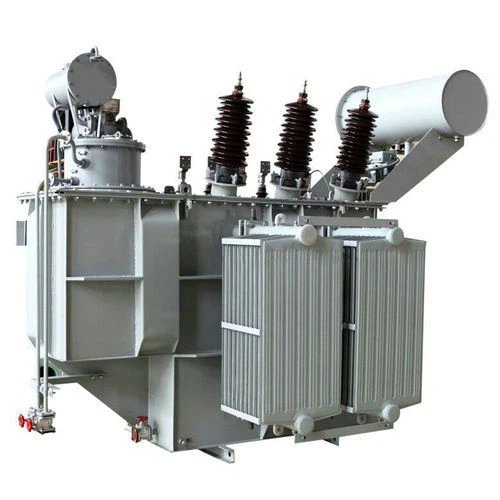
If you are interested in learning more about our power transformers or have any questions about reducing the acoustic noise of your transformers, please contact us to start a procurement discussion. Our team of experts will be happy to assist you and provide you with the information and support you need.
References
- "Transformer Noise: Causes, Effects, and Mitigation Techniques" by Electrical Engineering Portal
- "Noise Reduction in Power Transformers" by IEEE Transactions on Power Delivery
- "Design and Analysis of Low-Noise Power Transformers" by Journal of Electrical Engineering and Technology