

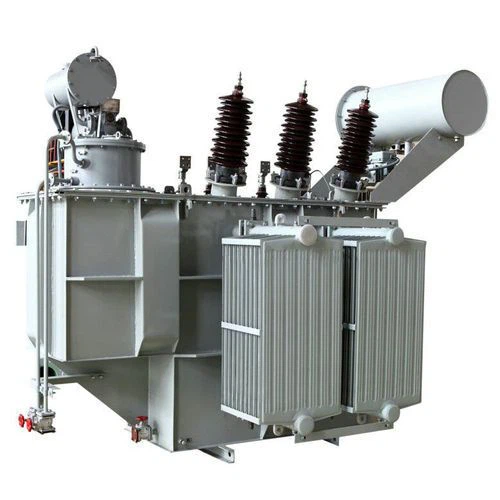
Hey there! As a supplier of power transformers, I've seen firsthand how crucial it is to store these big pieces of equipment properly. Power transformers are not just any old machines; they're the heart of electrical systems, and improper storage can lead to all sorts of problems. So, in this blog, I'm gonna share some tips on how to store power transformers the right way.
Why Proper Storage Matters
First off, let's talk about why proper storage is so important. Power transformers are expensive and complex pieces of equipment. They're designed to work under specific conditions, and if they're not stored correctly, they can develop issues that can affect their performance and lifespan. For example, if a transformer is exposed to moisture, it can lead to corrosion and insulation damage. And if it's stored in a place with extreme temperatures, it can cause the oil inside to expand or contract, which can also damage the transformer.
Choosing the Right Location
The first step in proper storage is choosing the right location. You want to find a place that's dry, clean, and well-ventilated. Avoid areas that are prone to flooding or high humidity, as moisture can be a major enemy of power transformers. A storage facility with a concrete floor is ideal, as it provides a stable and level surface for the transformer.
It's also important to make sure the storage area is secure. Power transformers are valuable pieces of equipment, and you don't want them to be stolen or damaged. Consider installing security measures such as fences, gates, and surveillance cameras to protect your transformers.
Preparing the Transformer for Storage
Before you store a power transformer, you need to prepare it properly. This includes cleaning the transformer, checking the oil level, and making sure all the connections are tight. You should also drain the oil from the transformer if it's going to be stored for an extended period of time. This will help prevent corrosion and other issues.
If you're storing a transformer that's been in use, you should also perform a thorough inspection to make sure it's in good condition. Look for any signs of damage or wear, and make any necessary repairs before storing the transformer.
Storing the Transformer
Once you've chosen the right location and prepared the transformer for storage, it's time to actually store it. You want to make sure the transformer is stored in an upright position, as this will help prevent oil leakage and other issues. You should also use supports to keep the transformer stable and prevent it from tipping over.
If you're storing multiple transformers, make sure they're spaced apart to allow for proper ventilation. You should also cover the transformers with a protective tarp to keep them clean and dry.
Monitoring the Transformer
Even if you've stored the transformer properly, it's still important to monitor it regularly. Check the oil level, temperature, and other parameters to make sure the transformer is in good condition. If you notice any issues, such as a drop in oil level or an increase in temperature, you should take action immediately to prevent further damage.
Some of Our Power Transformers
We offer a wide range of power transformers to meet the needs of our customers. Check out our 25MVA 25000KVA 150KV Step Down Power Transformer With MR OLTC and 125MVA 138KV 24.94KV Step Down Transformer for more information. You can also visit our Power Transformers page to see our full range of products.
Conclusion
Proper storage of power transformers is essential to ensure their performance and lifespan. By choosing the right location, preparing the transformer for storage, storing it correctly, and monitoring it regularly, you can help prevent issues and keep your transformers in good condition. If you have any questions or need more information about storing power transformers, don't hesitate to contact us. We're here to help you find the right solution for your needs.

References
- Electrical Power Transformer Engineering, Second Edition, by Turan Gonen
- Power System Analysis and Design, Fourth Edition, by J. Duncan Glover, Mulukutla S. Sarma, and Thomas J. Overbye