

Testing the oil in a 138kV power transformer is a crucial aspect of ensuring its reliable and efficient operation. As a leading supplier of 138kV and 132kV power transformers, I understand the significance of proper oil testing and its impact on the overall performance of these critical assets. In this blog post, I will share valuable insights on how to test the oil in a 138kV power transformer, highlighting the key steps and considerations.
Understanding the Importance of Oil Testing
Power transformers rely on insulating oil to perform several vital functions. Firstly, it provides electrical insulation between the transformer's windings and other components, preventing electrical breakdown and short circuits. Secondly, the oil acts as a coolant, dissipating the heat generated during the transformer's operation. Over time, however, the oil can degrade due to various factors such as oxidation, moisture ingress, and the presence of contaminants. This degradation can compromise the transformer's insulation properties and lead to reduced efficiency, increased maintenance requirements, and even premature failure.
Regular oil testing is essential for detecting any signs of degradation early on and taking appropriate corrective actions. By monitoring the oil's condition, operators can identify potential issues before they escalate into major problems, thereby minimizing downtime and costly repairs. Additionally, oil testing helps ensure compliance with industry standards and regulations, which often require periodic testing of power transformer oil.
Preparing for Oil Testing
Before conducting any oil tests, it is important to take the necessary precautions to ensure the safety of personnel and the accuracy of the test results. Here are some key steps to follow:
- Review the Transformer's History: Familiarize yourself with the transformer's operating history, including any previous oil test results, maintenance records, and known issues. This information can provide valuable insights into the transformer's condition and help you determine the appropriate testing frequency and methods.
- Gather the Required Equipment: Collect all the necessary equipment for oil sampling and testing, including clean sampling bottles, a sampling valve, a vacuum pump (if required), and the appropriate testing kits or instruments. Make sure the equipment is clean and in good working condition to avoid contamination of the oil sample.
- Select the Sampling Location: Identify the appropriate sampling location on the transformer. The sampling point should be representative of the overall oil condition and should be easily accessible. Common sampling locations include the bottom drain valve, the oil conservator, and the tap changer compartment.
- Follow Safety Procedures: Wear appropriate personal protective equipment (PPE), such as gloves and safety glasses, when handling the oil and performing the tests. Follow all safety procedures and guidelines to prevent accidents and injuries.
Sampling the Oil
Once you have prepared for the oil testing, the next step is to collect a representative oil sample from the transformer. Here's how to do it:
- Clean the Sampling Valve: Before taking the sample, clean the sampling valve thoroughly to remove any dirt, debris, or contaminants. Use a clean cloth or a suitable cleaning agent to wipe the valve and the surrounding area.
- Open the Sampling Valve: Slowly open the sampling valve to allow the oil to flow into the sampling bottle. Avoid splashing or spilling the oil, as this can introduce air bubbles and contaminants into the sample.
- Collect the Sample: Fill the sampling bottle with the oil sample, leaving some headspace at the top to allow for expansion. Make sure the sample is representative of the overall oil condition by collecting it from different depths or locations within the transformer.
- Seal the Sampling Bottle: Once the sample has been collected, seal the sampling bottle tightly to prevent any leakage or contamination. Label the bottle clearly with the transformer's identification number, the sampling date, and the sampling location.
Performing the Oil Tests
After collecting the oil sample, it's time to perform the necessary tests to evaluate the oil's condition. There are several tests that can be conducted on power transformer oil, each providing valuable information about different aspects of the oil's quality. Here are some of the most common tests:
- Dissolved Gas Analysis (DGA): DGA is a widely used test for detecting the presence of gases dissolved in the oil. Different gases can indicate different types of faults or abnormalities in the transformer, such as overheating, arcing, or insulation breakdown. By analyzing the gas concentrations and their ratios, operators can identify potential issues and take appropriate corrective actions. Learn more about Power Transformers
- Furan Analysis: Furan analysis is used to measure the concentration of furanic compounds in the oil. These compounds are produced when the transformer's cellulose insulation degrades, and their presence can indicate the extent of insulation aging. By monitoring the furan levels over time, operators can assess the condition of the insulation and determine the remaining useful life of the transformer.
- Moisture Content Measurement: Moisture can have a significant impact on the insulation properties of the oil and can accelerate the aging process. Measuring the moisture content in the oil is therefore essential for ensuring the transformer's reliability. There are several methods available for measuring moisture content, including the Karl Fischer titration method and the capacitance method.
- Dielectric Strength Testing: Dielectric strength testing measures the ability of the oil to withstand electrical stress without breaking down. A low dielectric strength can indicate the presence of contaminants or moisture in the oil, which can compromise the transformer's insulation. This test is typically performed using a dielectric strength tester, which applies a high voltage to the oil sample and measures the voltage at which the oil breaks down.
- Acidity and Neutralization Number Testing: Acidity and neutralization number testing measures the level of acidity in the oil. An increase in acidity can indicate the presence of oxidation products or other contaminants, which can degrade the oil's insulation properties. This test is typically performed using a titration method, which involves adding a reagent to the oil sample and measuring the amount of reagent required to neutralize the acid.
Interpreting the Test Results
Once the oil tests have been completed, the next step is to interpret the test results and determine the condition of the oil and the transformer. Here are some key points to consider:
- Compare the Results to the Standards: Compare the test results to the relevant industry standards and guidelines to determine if the oil meets the required specifications. If the results fall outside the acceptable range, further investigation may be required to identify the cause of the problem.
- Look for Trends: Analyze the test results over time to identify any trends or changes in the oil's condition. A gradual increase in the concentration of certain gases or a decrease in the dielectric strength, for example, may indicate a developing problem that needs to be addressed.
- Consider the Transformer's Operating Conditions: Take into account the transformer's operating conditions, such as the load, temperature, and ambient environment, when interpreting the test results. These factors can affect the oil's condition and may need to be considered when determining the appropriate course of action.
- Seek Professional Advice: If you are unsure how to interpret the test results or if you suspect a problem with the transformer, seek the advice of a qualified professional. A transformer expert can provide valuable insights and recommendations based on their experience and expertise.
Taking Corrective Actions
Based on the interpretation of the test results, appropriate corrective actions should be taken to address any issues or concerns identified. Here are some common corrective actions:

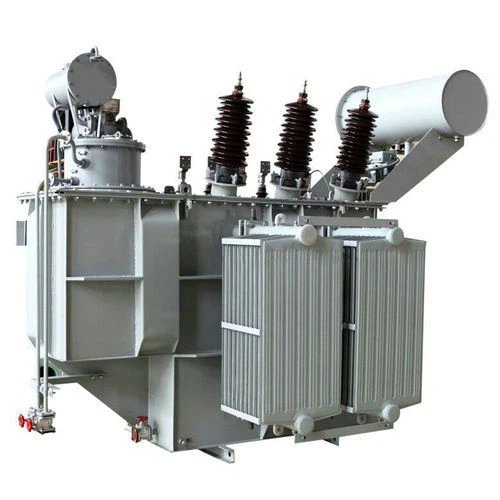
- Oil Filtration: If the oil is contaminated with dirt, debris, or other particles, it may be necessary to filter the oil to remove the contaminants. Oil filtration can improve the oil's insulation properties and extend its service life.
- Oil Reclamation: In some cases, the oil may be degraded to the point where it needs to be reclaimed. Oil reclamation involves treating the oil to remove the oxidation products, moisture, and other contaminants and restoring its original properties.
- Insulation Repair or Replacement: If the test results indicate significant insulation degradation, it may be necessary to repair or replace the transformer's insulation. This can be a complex and expensive process, but it is essential for ensuring the transformer's reliability and safety.
- Monitoring and Maintenance: Even after taking corrective actions, it is important to continue monitoring the oil condition and performing regular maintenance on the transformer. This can help detect any new issues or changes in the oil's condition and prevent future problems.
Conclusion
Testing the oil in a 138kV power transformer is a critical part of ensuring its reliable and efficient operation. By following the steps outlined in this blog post, you can effectively sample the oil, perform the necessary tests, interpret the results, and take appropriate corrective actions to maintain the transformer's health and performance.
As a trusted supplier of 10mva 69kv/6.3kv Factory Price Direct Sales Of High - Quality Large Power Transformer and 50000KVA 50MVA 115KV Step Down With OLTC To 23KV Three Phase Substation Transformers, we understand the importance of high - quality power transformers and the need for proper maintenance. If you have any questions about power transformer oil testing or are interested in purchasing our products, we encourage you to contact us for a procurement discussion. We are committed to providing you with the best solutions for your power transformer needs.
References
- IEEE Standard C57.106 - Guide for Acceptance and Maintenance of Insulating Oils in Equipment
- IEC 60422 - Mineral insulating oils in electrical equipment - Supervision and maintenance guide