

Emulation models play a crucial role in the design, analysis, and operation of pad-mounted transformers. As a leading supplier of pad-mounted transformers, we understand the significance of leveraging these models to optimize performance and ensure the reliability of our products. In this blog post, we will explore how to effectively use emulation models for pad-mounted transformers, covering aspects such as model selection, parameters setting, and practical applications.
Understanding Emulation Models for Pad - Mounted Transformers
Emulation models are mathematical representations of the physical behavior of pad - mounted transformers. They can simulate various electrical and thermal processes, allowing engineers and operators to predict the performance of transformers under different conditions. These models can be classified into different types, including electrical models, thermal models, and combined electro - thermal models.
Electrical Models
Electrical models focus on the electrical characteristics of pad - mounted transformers, such as voltage, current, and impedance. They are typically based on equivalent circuit theory, which simplifies the complex electrical behavior of the transformer into a set of linear or non - linear equations. For example, a simple electrical model of a pad - mounted transformer may include a primary winding, a secondary winding, and an ideal transformer core. By solving these equations, we can analyze the voltage regulation, short - circuit current, and other electrical parameters of the transformer.

Thermal Models
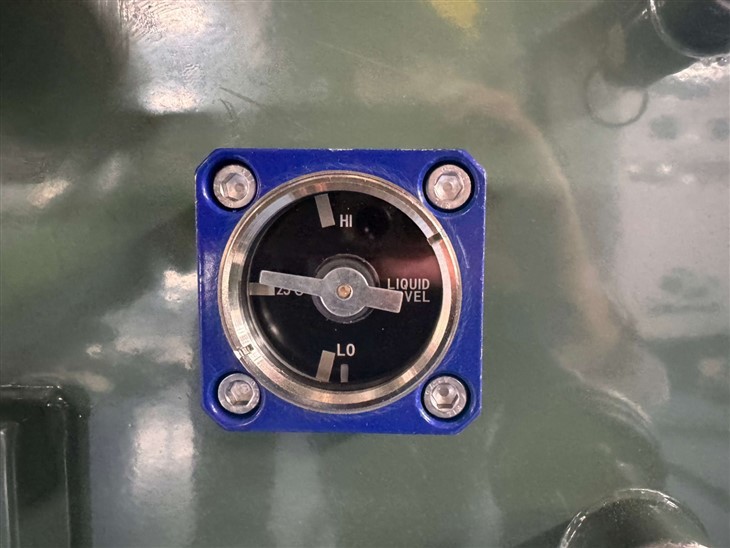
Thermal models, on the other hand, are used to predict the temperature distribution within the transformer. The temperature of a transformer is a critical factor that affects its performance and lifespan. Excessive temperature can lead to insulation degradation, reduced efficiency, and even premature failure. Thermal models take into account factors such as heat generation, heat transfer, and ambient temperature to estimate the temperature rise of the transformer under different load conditions.
Combined Electro - Thermal Models
Combined electro - thermal models integrate both electrical and thermal aspects of the transformer. They can provide a more comprehensive understanding of the transformer's behavior by considering the interaction between electrical and thermal processes. For instance, changes in electrical load can affect the heat generation within the transformer, which in turn can influence the electrical performance due to temperature - dependent resistance.
Selecting the Right Emulation Model
The choice of emulation model depends on several factors, including the specific application, the level of accuracy required, and the available data.
Application - Specific Requirements
If the main concern is the electrical performance of the transformer, such as voltage regulation or short - circuit protection, an electrical model may be sufficient. For example, in a power distribution system, accurate prediction of voltage drop across the transformer is crucial for maintaining the quality of power supply. On the other hand, if the focus is on the thermal management of the transformer, a thermal or combined electro - thermal model should be used. For instance, in a high - temperature environment, understanding the temperature rise of the transformer under different loads is essential to prevent overheating.
Accuracy and Complexity
More complex models generally provide higher accuracy but require more computational resources and detailed input data. Simple electrical models, such as the equivalent circuit model, are relatively easy to implement and can provide a quick estimate of the transformer's electrical performance. However, they may not capture all the nuances of the real - world behavior. In contrast, detailed electro - thermal models can provide a more accurate prediction of the transformer's performance but may require extensive data on the transformer's construction, material properties, and operating conditions.
Setting Parameters for Emulation Models
Once the appropriate emulation model is selected, the next step is to set the relevant parameters. These parameters can be classified into two categories: geometric and material parameters, and operating parameters.
Geometric and Material Parameters
Geometric parameters include the dimensions of the transformer windings, the core size, and the spacing between the windings. Material parameters refer to the properties of the materials used in the transformer, such as the resistivity of the copper windings and the magnetic permeability of the core. These parameters can usually be obtained from the transformer's design specifications or through laboratory testing.
Operating Parameters
Operating parameters include the input voltage, load current, and ambient temperature. These parameters can vary depending on the specific application and the operating conditions of the transformer. For example, in a residential area, the load current may vary significantly throughout the day, while in an industrial setting, the load may be more stable. It is important to accurately estimate these operating parameters to ensure the accuracy of the emulation results.
Practical Applications of Emulation Models
Emulation models can be used in various aspects of pad - mounted transformer design, operation, and maintenance.
Design Optimization
During the design phase, emulation models can be used to optimize the transformer's performance. For example, by adjusting the winding turns ratio, the core size, or the material properties, engineers can improve the voltage regulation, reduce the losses, and enhance the overall efficiency of the transformer. Emulation models can also help in evaluating different design options and selecting the most suitable one based on the specific requirements.
Fault Diagnosis and Prediction
Emulation models can be used to detect and diagnose faults in pad - mounted transformers. By comparing the actual operating data with the simulated results, engineers can identify potential problems such as short - circuits, insulation breakdown, or overheating. Early detection of faults can help prevent costly downtime and extend the lifespan of the transformer. Additionally, emulation models can be used to predict the remaining useful life of the transformer based on the historical operating data and the degradation of the insulation materials.
Load Management
In a power distribution system, emulation models can be used to manage the load on pad - mounted transformers. By simulating the performance of the transformer under different load conditions, operators can determine the optimal load level to ensure the reliable operation of the transformer. For example, if the load on a transformer is approaching its maximum capacity, the operator can take measures such as load shedding or adding additional transformers to avoid overloading.
Our Product Offerings
As a trusted supplier of pad - mounted transformers, we offer a wide range of products to meet the diverse needs of our customers. Our 50KVA Single Phase Step Down Pad Mounted Transformer is designed for applications where a reliable and efficient power supply is required. It features high - quality materials and advanced manufacturing processes to ensure long - term performance and durability.
We also provide Single Phase Pad Mounted Transformer with different capacities to suit various load requirements. These transformers are designed to be compact and easy to install, making them ideal for both residential and commercial applications.
For smaller load applications, our 25KVA Single Phase Step Down Pad Mounted Transformer offers a cost - effective solution. It is designed to provide stable voltage output and reliable performance in a compact package.
Contact Us for Procurement
If you are interested in our pad - mounted transformers or have any questions about using emulation models for transformer design and operation, we encourage you to contact us. Our team of experts is ready to assist you in selecting the right product and providing technical support. Whether you are a power utility, an industrial customer, or a contractor, we can offer customized solutions to meet your specific needs.
References
- "Transformer Engineering: Design, Technology, and Diagnostics" by N. G. Hingorani and L. Gyugyi
- "Power System Analysis and Design" by J. Duncan Glover, M. S. Sarma, and Thomas J. Overbye
- IEEE Standards for Pad - Mounted Transformers