

When it comes to electrical power distribution, dry type transformers play a crucial role in a wide range of applications. As a leading supplier of dry type transformers, I have witnessed firsthand the importance of understanding the common ratings of these essential devices. In this blog post, I will delve into the key ratings of dry type transformers, providing valuable insights for those in the industry or anyone interested in learning more about these transformers.
Voltage Ratings
One of the most fundamental ratings of a dry type transformer is its voltage rating. This rating indicates the maximum voltage that the transformer can safely handle. Voltage ratings are typically specified in kilovolts (kV) and can vary widely depending on the application. For instance, in commercial and industrial settings, you might commonly encounter dry type transformers with primary voltage ratings of 4.16 kV, 10 kV, or even higher.
The secondary voltage rating is equally important, as it determines the output voltage that the transformer will provide to the connected electrical equipment. Common secondary voltage ratings include 208V, 240V, 480V, and 600V, among others. The choice of voltage ratings depends on the specific requirements of the electrical system and the equipment it serves.
KVA Ratings
Kilovolt - ampere (kVA) rating is another critical parameter for dry type transformers. The kVA rating represents the apparent power that the transformer can handle. It is a measure of the total power, including both the real power (kW) and the reactive power (kVAR).
Dry type transformers come in a wide range of kVA ratings to meet different load requirements. Smaller transformers may have ratings as low as 10 kVA, which are suitable for light - duty applications such as small offices or residential buildings. On the other hand, larger industrial facilities may require transformers with kVA ratings of 1000 kVA, 2000 kVA, or even higher.
For example, our 2000 KVA 4.16KV Aluminum Epoxy Resin Cast Dry Type Step Down Transformer is designed to handle high - power loads in industrial settings. With its robust construction and high - quality materials, it can provide reliable power distribution for large - scale operations.
Temperature Rise Ratings
Temperature rise is a significant factor in the performance and lifespan of dry type transformers. The temperature rise rating indicates the maximum increase in temperature above the ambient temperature that the transformer can withstand during normal operation.
Common temperature rise ratings for dry type transformers are 80°C, 115°C, and 150°C. A lower temperature rise rating generally means that the transformer is more efficient and has a longer lifespan. For example, a transformer with an 80°C temperature rise rating will operate at a lower temperature compared to one with a 150°C rating under the same load conditions.
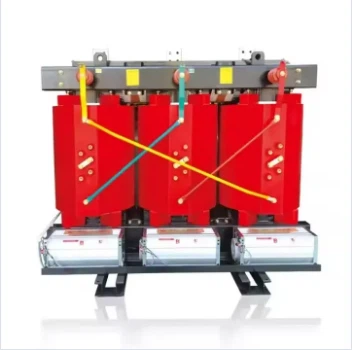

This is important because excessive heat can degrade the insulation materials in the transformer, leading to premature failure. Therefore, when selecting a dry type transformer, it is crucial to consider the temperature rise rating based on the operating environment and the expected load.
Impedance Ratings
Impedance is the opposition that a transformer presents to the flow of alternating current. The impedance rating of a dry type transformer is expressed as a percentage and is an important factor in determining the short - circuit current and the voltage regulation of the transformer.
Typical impedance ratings for dry type transformers range from 3% to 6%. A lower impedance rating will result in a higher short - circuit current, which can be beneficial in some applications where a high - fault current is required. However, it also means that the voltage regulation may be poorer. On the other hand, a higher impedance rating will limit the short - circuit current but may provide better voltage regulation.
Insulation Class Ratings
The insulation class rating of a dry type transformer indicates the maximum temperature that the insulation materials can withstand without significant degradation. Common insulation classes for dry type transformers include Class F (155°C) and Class H (180°C).
Transformers with higher insulation class ratings can operate at higher temperatures, which allows for more compact designs and higher power densities. For example, a Class H transformer can handle more heat than a Class F transformer, making it suitable for applications where space is limited or the load is particularly high.
Frequency Ratings
Most dry type transformers are designed to operate at a specific frequency, typically 50 Hz or 60 Hz. The frequency rating is important because it affects the performance of the transformer. Using a transformer at a frequency different from its rated frequency can lead to issues such as increased losses, overheating, and reduced efficiency.
Special Considerations for Different Applications
In addition to the standard ratings, there are also special considerations for different applications. For example, in outdoor applications, the transformer may need to be designed to withstand harsh environmental conditions such as extreme temperatures, humidity, and dust. In such cases, the transformer may have a higher degree of protection, such as an IP (Ingress Protection) rating.
In indoor applications, especially in areas where fire safety is a concern, dry type transformers are often preferred over oil - filled transformers. Our 1250 KVA Epoxy Resin Cast Delta Star Dry Type Step Down Transformer is an excellent choice for indoor applications, as it is constructed with non - flammable epoxy resin, providing enhanced fire safety.
For applications in data centers or other critical facilities, high - reliability transformers are required. These transformers may have redundant features and advanced monitoring systems to ensure continuous power supply. Our High - Quality Hot Sales 10kv 500kVA Three Phases Dry Type Transformer Factoryprice is designed to meet the high - reliability requirements of such applications, with features such as high - quality insulation and efficient cooling systems.
Conclusion
Understanding the common ratings of dry type transformers is essential for selecting the right transformer for your specific application. Voltage ratings, kVA ratings, temperature rise ratings, impedance ratings, insulation class ratings, and frequency ratings all play a crucial role in determining the performance and suitability of a transformer.
As a dry type transformer supplier, we are committed to providing high - quality transformers that meet the diverse needs of our customers. Whether you are looking for a small - scale transformer for a residential building or a large - scale transformer for an industrial facility, we have the expertise and the products to meet your requirements.
If you are interested in learning more about our dry type transformers or have specific requirements for your project, please do not hesitate to contact us for a detailed discussion and procurement negotiation. We look forward to working with you to provide the best solutions for your electrical power distribution needs.
References
- "Transformer Engineering: Design, Technology, and Applications" by J. L. Kirtley Jr.
- "Electrical Power Systems Quality" by Roger C. Dugan, Mark F. McGranaghan, and Surya Santoso.
- Manufacturer's specifications and technical documents for dry type transformers.