

In the realm of electrical power systems, 110kV power transformers play a pivotal role in stepping up or stepping down voltage levels to ensure efficient and reliable power transmission and distribution. As a leading supplier of 110kV and 115kV power transformers, we understand the critical importance of effective cooling methods for these high - voltage transformers. In this blog, we will explore the various cooling methods employed for 110kV power transformers.
1. Oil - Immersed Cooling
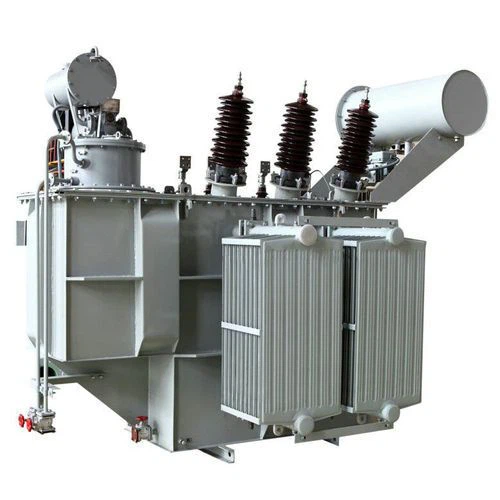
Oil - immersed cooling is one of the most common and effective methods for 110kV power transformers. The transformer core and windings are immersed in a tank filled with insulating oil. The oil serves two main purposes: electrical insulation and heat dissipation.
Natural Oil Cooling (ONAN)
In the ONAN (Oil Natural Air Natural) cooling method, the heat generated by the transformer core and windings is transferred to the surrounding oil. The heated oil rises due to natural convection and transfers its heat to the tank walls. The tank, in turn, dissipates the heat to the surrounding air through natural air circulation. This method is simple, reliable, and suitable for transformers with relatively low load requirements. It is often used in small - to medium - sized 110kV transformers or in applications where the load is relatively stable.
Forced Oil Cooling (ONAF)
The ONAF (Oil Natural Air Forced) cooling method is an improvement over the ONAN method. In addition to natural oil circulation, fans are used to force air over the radiator fins of the transformer. This increases the rate of heat transfer from the oil to the air, allowing the transformer to handle higher loads. The fans can be controlled based on the temperature of the oil or the load on the transformer, ensuring efficient cooling under varying operating conditions.
Forced Oil and Forced Air Cooling (OFAF)
The OFAF (Oil Forced Air Forced) cooling method takes the cooling process a step further. In this method, pumps are used to circulate the oil through the transformer and the radiators, while fans are used to force air over the radiators. This combination of forced oil circulation and forced air cooling significantly increases the heat dissipation capacity of the transformer. OFAF - cooled transformers can handle very high loads and are commonly used in large - scale power transmission and distribution systems.
2. Dry - Type Cooling
Dry - type transformers are an alternative to oil - immersed transformers, especially in applications where there are concerns about oil leakage or fire hazards. In dry - type cooling, the windings are made of solid insulation materials, and the heat is dissipated directly to the surrounding air.
Natural Air Cooling (AN)
In the AN (Air Natural) cooling method, the heat generated by the transformer is dissipated to the surrounding air through natural convection. The transformer is designed with a large surface area to enhance heat transfer. This method is suitable for small - to medium - sized dry - type 110kV transformers with relatively low load requirements.
Forced Air Cooling (AF)
The AF (Air Forced) cooling method uses fans to force air through the transformer windings. This increases the rate of heat transfer and allows the transformer to handle higher loads. The fans can be controlled based on the temperature of the windings or the load on the transformer, ensuring efficient cooling under varying operating conditions.
3. Water - Cooled Systems
Water - cooled systems are another option for cooling 110kV power transformers. These systems use water as a coolant to transfer heat away from the transformer.
Direct Water Cooling
In direct water cooling, water is circulated directly through the transformer windings or a heat exchanger in contact with the windings. The water absorbs the heat from the windings and transfers it to a cooling tower or other heat dissipation device. Direct water cooling can provide very efficient heat transfer, but it requires a reliable water supply and proper water treatment to prevent corrosion and scaling.
Indirect Water Cooling
Indirect water cooling uses a closed - loop system where a heat exchanger is used to transfer heat from the transformer oil to the water. The water then transfers the heat to a cooling tower or other heat dissipation device. This method is less prone to water leakage and contamination compared to direct water cooling.
4. Hybrid Cooling Systems
Hybrid cooling systems combine different cooling methods to achieve optimal cooling performance. For example, a transformer may use oil - immersed cooling for normal operation and switch to water - cooled or forced - air cooling during peak load periods. Hybrid cooling systems can provide flexibility and energy efficiency, allowing the transformer to operate at different load levels while maintaining optimal temperature.
Why Choose Our 110kV and 115kV Power Transformers?
As a trusted supplier of Power Transformers, we offer a wide range of 110kV and 115kV power transformers with advanced cooling technologies. Our transformers are designed to meet the highest standards of quality and reliability, ensuring efficient and safe operation in various power applications.
We provide 100MVA Factory Price Direct Sales Of High - Quality Electric Power Transformers and 10mva 69kv/6.3kv Factory Price Direct Sales Of High - Quality Large Power Transformer at competitive prices. Our team of experts can help you select the right cooling method for your specific application, taking into account factors such as load requirements, environmental conditions, and budget.
If you are in the market for a high - quality 110kV or 115kV power transformer, we invite you to contact us for a detailed consultation. Our sales team will be happy to discuss your needs and provide you with a customized solution. We look forward to the opportunity to serve you and help you meet your power transformation requirements.

References
- Electric Power Substations Engineering, Third Edition by Turan Gonen
- Power System Analysis and Design, Fifth Edition by J. Duncan Glover, Mulukutla S. Sarma, and Thomas J. Overbye