

Protection relays play a pivotal role in ensuring the safe and efficient operation of dry type transformers. As a reputable dry type transformer supplier, we understand the significance of these relays in safeguarding our products from various electrical faults and abnormal conditions. In this blog post, we will delve into the functions and applications of protection relays for dry type transformers, highlighting their importance in maintaining the reliability of electrical systems.

Overcurrent Protection
One of the primary functions of protection relays in dry type transformers is overcurrent protection. Overcurrent can occur due to various reasons, such as short - circuits, overloads, or ground faults. When an overcurrent condition exists, it can lead to excessive heating in the transformer windings, which may damage the insulation and ultimately cause the transformer to fail.
Overcurrent protection relays are designed to detect abnormal current levels and initiate appropriate actions to protect the transformer. These relays typically operate based on the principle of comparing the measured current with a pre - set threshold. When the current exceeds the threshold, the relay will send a signal to trip the circuit breaker, isolating the transformer from the power source.
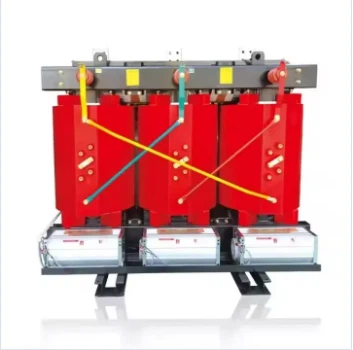
For instance, in a 1250 KVA Epoxy Resin Cast Delta Star Dry Type Step Down Transformer, an overcurrent protection relay ensures that any excessive current is detected promptly. This helps prevent overheating of the epoxy - resin - cast windings, maintaining the integrity of the insulation and the overall performance of the transformer.
Overvoltage and Undervoltage Protection
Dry type transformers are also susceptible to overvoltage and undervoltage conditions. Overvoltage can be caused by lightning strikes, switching operations in the power system, or malfunctions in voltage regulators. Excessive voltage can stress the insulation of the transformer, leading to premature failures. On the other hand, undervoltage can affect the normal operation of the connected loads and may cause overheating in the transformer due to increased current draw to meet the load demand.
Overvoltage and undervoltage protection relays monitor the voltage levels in the transformer and take corrective action when necessary. When the voltage exceeds or falls below the pre - set limits, the relay can trip the circuit breaker or send an alarm signal to the control room. This helps protect the High - Quality Hot Sales 10kv 500kVA Three Phases Dry Type Transformer Factoryprice from the detrimental effects of abnormal voltage conditions.
Differential Protection
Differential protection is another crucial function of protection relays for dry type transformers. This type of protection is based on the principle of comparing the currents entering and leaving the transformer windings. Under normal operating conditions, the current entering the transformer should be equal to the current leaving it. However, in the event of a fault within the transformer, such as a short - circuit between the windings, the current balance will be disrupted.
Differential protection relays continuously monitor the current differentials and can quickly detect any internal faults. Once a fault is detected, the relay will issue a trip signal to isolate the transformer from the power system. This rapid response helps minimize the damage to the transformer and reduces the downtime of the electrical system. For marine applications, the Marine Dry Type Transformer often relies on differential protection relays to ensure reliable operation in harsh marine environments.
Temperature Protection
Temperature is a critical parameter for dry type transformers. Excessive temperature can degrade the insulation, reduce the lifespan of the transformer, and increase the risk of fire. Temperature protection relays are used to monitor the temperature of the transformer windings and core.
These relays typically use temperature sensors, such as thermocouples or RTDs (Resistance Temperature Detectors), to measure the temperature. When the temperature exceeds a pre - set limit, the relay can take several actions. It may send an alarm signal to the operator, start a cooling system if available, or even trip the circuit breaker to prevent further damage to the transformer.
Ground Fault Protection
Ground faults can occur when an electrical conductor comes into contact with the ground or a grounded object. In dry type transformers, ground faults can cause damage to the windings, create safety hazards, and disrupt the normal operation of the electrical system.
Ground fault protection relays are designed to detect the presence of ground faults by monitoring the zero - sequence current. When a ground fault occurs, a non - zero zero - sequence current will flow in the system. The ground fault protection relay can detect this current and initiate the appropriate protection action, such as tripping the circuit breaker.
Importance of Proper Relay Selection
Selecting the right protection relays for dry type transformers is of utmost importance. The relays must be able to accurately detect the faults and abnormal conditions that the transformer may encounter. They should also have a high degree of reliability and be compatible with the transformer's electrical characteristics and the overall power system.
As a dry type transformer supplier, we work closely with our customers to recommend the most suitable protection relays for their specific applications. We consider factors such as the transformer's rating, the type of load, the operating environment, and the requirements of the power system. By providing the right protection solutions, we can help our customers ensure the long - term reliability and safety of their dry type transformers.
Conclusion
In conclusion, protection relays are essential components for dry type transformers. They provide vital functions such as overcurrent protection, overvoltage and undervoltage protection, differential protection, temperature protection, and ground fault protection. These functions help safeguard the transformers from various electrical faults and abnormal conditions, ensuring their reliable operation and extending their lifespan.
If you are in the market for high - quality dry type transformers and need reliable protection solutions, we are here to assist you. Our team of experts can provide you with detailed information about our products and help you select the most appropriate protection relays for your specific needs. Contact us today to start a procurement discussion and find the perfect dry type transformer for your application.
References
- Blackburn, J. L., & Domin, D. J. (2007). Protective Relaying: Principles and Applications. Marcel Dekker.
- Gross, C. A. (2013). Electric Power Generation, Transmission, and Distribution. CRC Press.
- Stevenson, W. D. (1982). Elements of Power System Analysis. McGraw - Hill.