

Hey there! As a supplier of 138kV and 132kV power transformers, I've been in the thick of the power game for quite a while. Today, I'm gonna break down the standards for a 138kV power transformer. It's not just some technical mumbo - jumbo; it's crucial for ensuring the safe and efficient operation of our power grids.
Electrical Performance Standards
First off, let's talk about electrical performance. One of the key aspects is the voltage ratio. A 138kV power transformer is designed to handle a specific input and output voltage. The voltage ratio must be precisely calculated and maintained. For instance, if it's a step - down transformer, it'll convert the high - voltage 138kV to a lower voltage suitable for distribution or end - use. This ratio affects how well the transformer can transfer power from the source to the load.
Another important factor is the power rating. It's measured in volt - amperes (VA) or kilovolt - amperes (kVA). The power rating indicates the maximum amount of electrical power the transformer can handle without overheating or getting damaged. For a 138kV transformer, a high power rating is often required, especially in industrial or large - scale power distribution applications. You can check out more about Power Transformers to understand different power ratings and their applications.
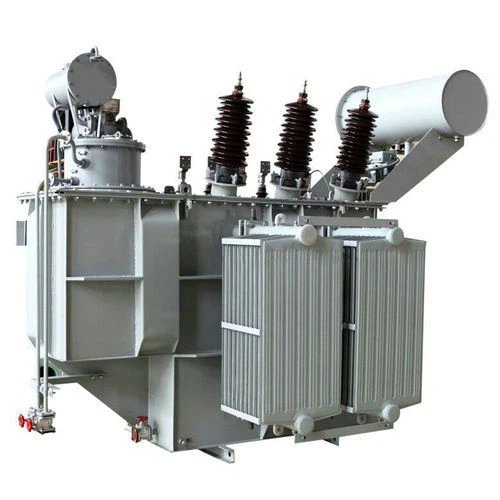

The impedance of the transformer also plays a vital role. Impedance affects the short - circuit current and the voltage regulation of the transformer. A proper impedance value helps in limiting the short - circuit current, which is essential for protecting the transformer and other equipment in the power system.
Insulation Standards
Insulation is like the armor of a power transformer. It prevents electrical current from leaking and protects the transformer's internal components. The insulation system of a 138kV power transformer must be able to withstand high voltages.
There are different types of insulation materials used, such as oil and solid insulation. Oil - immersed transformers are quite common. The oil not only insulates the windings but also helps in cooling the transformer. You can learn more about Oil Immersed Transformer and how the oil insulation works.
The insulation must be tested regularly for its dielectric strength. This is done through tests like the impulse voltage test and the power frequency voltage test. These tests ensure that the insulation can handle the high - voltage surges and normal operating voltages without breaking down.
Thermal Standards
Heat is the enemy of a power transformer. When a transformer is in operation, it generates heat due to the electrical losses in the windings and the core. If the heat isn't managed properly, it can damage the insulation and reduce the lifespan of the transformer.
Thermal standards specify the maximum allowable temperature rise in different parts of the transformer, such as the windings and the oil. Cooling systems are installed to keep the temperature within the safe limits. There are different types of cooling methods, like natural air cooling (ONAN), forced air cooling (ONAF), and forced oil cooling (OFAF).
For example, in a large - scale 138kV power transformer, forced oil cooling might be used to dissipate the heat more effectively. Monitoring the temperature of the transformer is also important. Temperature sensors are installed to keep track of the temperature, and if it exceeds the safe limit, alarms can be triggered to take preventive action.
Mechanical Standards
A 138kV power transformer is a heavy and bulky piece of equipment. It needs to be mechanically robust to withstand the forces during transportation, installation, and operation.
The tank of the transformer, which houses the core and the windings, must be strong enough to contain the oil and protect the internal components. It should be able to withstand internal pressures, especially in case of a fault or an over - temperature situation.
The mounting and support structures of the transformer also need to be designed properly. They must be able to hold the weight of the transformer and prevent it from moving or vibrating excessively. Vibration can cause mechanical stress on the internal components and lead to premature failure.
Safety and Environmental Standards
Safety is a top priority when it comes to power transformers. There are standards for grounding the transformer to prevent electrical shock. The grounding system helps in diverting the fault current safely to the ground.
Environmental standards are also becoming increasingly important. Transformers should be designed to minimize the environmental impact. For example, the oil used in oil - immersed transformers should be non - toxic and biodegradable to reduce the risk of pollution in case of a leak.
Quality Assurance and Testing
Before a 138kV power transformer is shipped to the customer, it goes through a series of tests to ensure it meets all the standards. These tests include the type test, routine test, and special tests.
The type test is a comprehensive test done on a sample transformer to verify its design and performance. Routine tests are carried out on every transformer to check for basic functionality and quality. Special tests might be required depending on the specific requirements of the customer or the application.
For example, if a customer needs a 138kV transformer for a particular industrial application, there might be additional tests to ensure it can handle the specific electrical and environmental conditions. You can take a look at 50000KVA 50MVA 115KV Step Down With OLTC To 23KV Three Phase Substation Transformers to see the kind of testing and quality assurance that goes into large - scale transformers.
Conclusion
So, there you have it - the main standards for a 138kV power transformer. These standards cover everything from electrical performance to safety and environmental impact. As a supplier, we're constantly working to ensure that our transformers meet and exceed these standards.
If you're in the market for a 138kV or 132kV power transformer, we're here to help. We have a wide range of high - quality transformers that are designed and tested to the highest standards. Whether you need a transformer for a small - scale project or a large - scale power grid, we can provide the right solution for you. Feel free to reach out and start a procurement discussion with us. We're eager to work with you to meet your power needs.
References
- IEEE Standards Association. IEEE C57.12.00 - 2010, Standard General Requirements for Liquid - Immersed Distribution, Power, and Regulating Transformers.
- International Electrotechnical Commission (IEC). IEC 60076 - 1:2011, Power transformers - Part 1: General.