

As a supplier of Compact Transformers, I often get asked about the memory usage of these innovative devices. In this blog post, I'll delve into the concept of memory usage in Compact Transformers, exploring its significance, factors that influence it, and how it impacts the overall performance of these transformers.
Understanding Compact Transformers
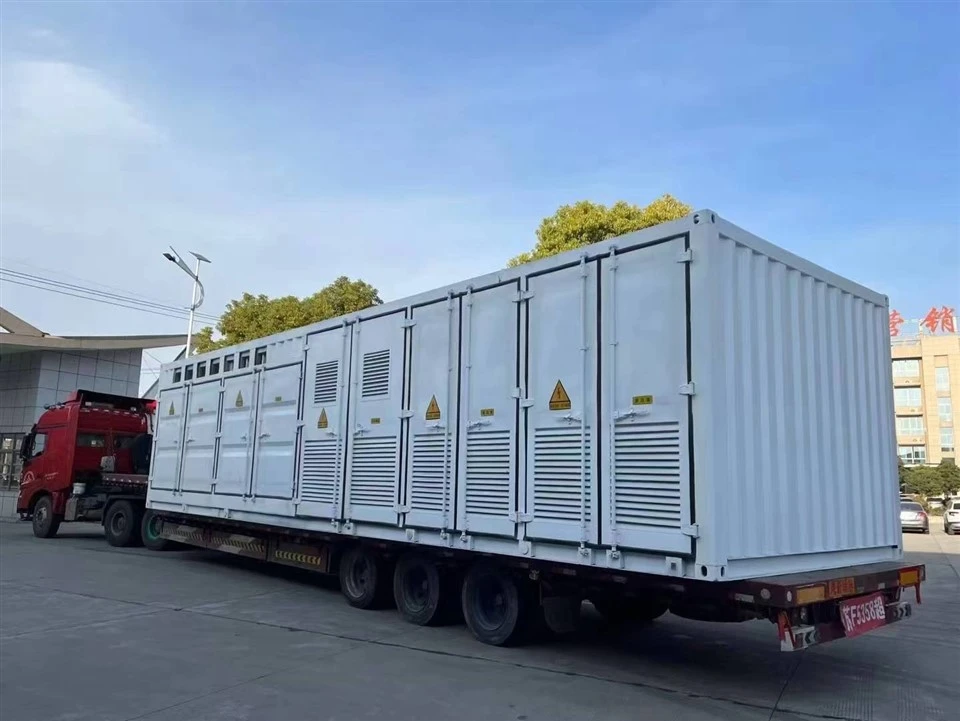
Before we dive into memory usage, let's briefly understand what Compact Transformers are. Compact Transformers are a type of electrical transformer designed to be more space - efficient compared to traditional transformers. They are widely used in various applications, from industrial settings to residential areas. Their compact size doesn't compromise on performance, making them a popular choice for modern electrical systems. You can learn more about our range of Compact Transformers.
What is Memory Usage in Compact Transformers?
In the context of Compact Transformers, memory usage is not the same as the memory in a computer system. Instead, it refers to the ability of the transformer to retain certain electrical characteristics over time. When a transformer is in operation, it goes through cycles of magnetization and demagnetization. During these cycles, some of the magnetic properties of the core material may not fully return to their original state. This residual magnetization can be thought of as a form of "memory" within the transformer.
The memory usage of a Compact Transformer is crucial because it can affect the transformer's efficiency, power quality, and overall lifespan. For example, if the residual magnetization is too high, it can lead to increased core losses, which in turn reduces the transformer's efficiency. Additionally, it can cause voltage fluctuations and harmonic distortion in the electrical output, affecting the quality of power supplied to the connected loads.

Factors Influencing Memory Usage
Several factors can influence the memory usage of a Compact Transformer.
Core Material
The type of core material used in the transformer plays a significant role. Different core materials have different magnetic properties, such as coercivity and remanence. Coercivity is the amount of magnetic field required to reduce the magnetization of the core to zero, while remanence is the residual magnetization left in the core after the external magnetic field is removed. Materials with low coercivity and remanence are generally preferred as they tend to have lower memory usage. For instance, amorphous metal cores are known for their excellent magnetic properties, which result in relatively low memory usage compared to traditional silicon steel cores.
Operating Conditions
The operating conditions of the transformer also have a major impact on memory usage. High - temperature environments can cause changes in the magnetic properties of the core material, increasing the residual magnetization. Similarly, overloading the transformer can lead to excessive magnetic saturation, which can also contribute to higher memory usage. Frequent start - stop cycles or sudden changes in the load can also cause the core to retain more magnetization, as the magnetic field within the core doesn't have enough time to fully dissipate between cycles.
Design and Manufacturing
The design and manufacturing process of the Compact Transformer can influence its memory usage. Proper winding techniques, core construction, and insulation can all help to minimize the residual magnetization. For example, using a well - designed winding configuration can ensure a more uniform magnetic field distribution within the core, reducing the likelihood of magnetic saturation and excessive memory usage. Additionally, high - quality manufacturing processes can ensure that the core material is not damaged during assembly, which could otherwise affect its magnetic properties.
Measuring Memory Usage
Measuring the memory usage of a Compact Transformer is not a straightforward process. One common method is to measure the residual magnetic flux density in the core using specialized magnetic field sensors. By measuring the magnetic field strength at different points in the core after the transformer has been de - energized, it is possible to estimate the amount of residual magnetization.
Another approach is to monitor the electrical characteristics of the transformer, such as the no - load current and the voltage waveform. An increase in the no - load current or the presence of harmonic distortion in the voltage waveform can indicate higher memory usage. These electrical measurements can be made using standard electrical testing equipment, such as power analyzers and oscilloscopes.
Impact on Performance
The memory usage of a Compact Transformer can have a significant impact on its performance. As mentioned earlier, high memory usage can lead to increased core losses, which reduces the transformer's efficiency. This means that more energy is wasted in the form of heat, resulting in higher operating costs.
In addition to efficiency, memory usage can also affect the power quality. Excessive residual magnetization can cause voltage fluctuations and harmonic distortion, which can damage sensitive electrical equipment connected to the transformer. For example, in a data center, even small voltage fluctuations or harmonic distortion can cause malfunctions in servers and other critical equipment.
Moreover, high memory usage can also shorten the lifespan of the transformer. The increased core losses and the stress on the core material due to residual magnetization can lead to premature aging and failure of the transformer. This can result in costly downtime and replacement costs for the end - user.
Our Solutions
As a Compact Transformer supplier, we are committed to providing high - quality transformers with low memory usage. We use advanced core materials and state - of - the - art manufacturing processes to ensure that our transformers have optimal magnetic properties. Our engineers carefully design each transformer to minimize the impact of operating conditions on memory usage.
We also offer a range of monitoring and diagnostic services to help our customers manage the memory usage of their transformers. By regularly monitoring the electrical characteristics of the transformer, we can detect early signs of increased memory usage and take proactive measures to prevent performance degradation.
If you are interested in our Compact Substation Transformer, which is designed for efficient power distribution in substations, or our New Energy Integrated Photovoltaic Prefabricated Cabin MV&HV Transformers Cutting - Edge Distribution Equipment, suitable for new energy applications, please feel free to contact us for more information.
Conclusion
In conclusion, the memory usage of Compact Transformers is an important factor that can significantly impact their performance, efficiency, and lifespan. Understanding the factors that influence memory usage and how to measure it is crucial for both transformer manufacturers and end - users. As a supplier, we are dedicated to providing transformers with low memory usage and offering solutions to help our customers manage this aspect of transformer operation.
If you are considering purchasing Compact Transformers or have any questions about memory usage, we encourage you to reach out to us. Our team of experts is ready to assist you in finding the right transformer for your needs and ensuring its optimal performance.
References
- "Transformer Engineering: Design, Technology, and Diagnostics" by J. Singhal and G. B. Ghosh.
- "Magnetic Materials: Fundamentals and Applications" by E. C. Snelling.
- Industry reports on Compact Transformer technology and performance.