

Analyzing the operation data of a 115kV power transformer is a crucial task for ensuring its reliable and efficient performance. As a supplier of 110kV/115kV power transformers, I understand the significance of this process and the valuable insights it can provide. In this blog post, I will share my expertise on how to effectively analyze the operation data of a 115kV power transformer, highlighting key parameters, methods, and considerations.
Key Parameters for Analysis
When analyzing the operation data of a 115kV power transformer, several key parameters need to be closely monitored and evaluated. These parameters include:
Voltage and Current
Voltage and current are fundamental electrical quantities that directly reflect the transformer's operating conditions. Monitoring the primary and secondary voltage levels and currents can help detect abnormal voltage drops, overloading, or short - circuits. Deviations from the rated values may indicate potential issues such as insulation problems or winding faults.
Temperature
Transformer temperature is a critical parameter as excessive heat can accelerate insulation aging and reduce the transformer's lifespan. Monitoring the oil temperature, winding temperature, and ambient temperature is essential. The oil temperature rise above the ambient temperature should be within the specified limits. A sudden increase in temperature may be a sign of internal overheating, which requires immediate attention.
Power Factor
Power factor indicates the efficiency of the power transfer in the transformer. A low power factor can result in increased losses and reduced system efficiency. Analyzing the power factor data can help identify issues such as reactive power compensation problems or unbalanced loads.
Dissolved Gas Analysis (DGA)
DGA is a powerful diagnostic tool for detecting incipient faults in power transformers. By analyzing the gases dissolved in the transformer oil, such as hydrogen, methane, ethane, ethylene, and acetylene, we can identify different types of faults, including overheating, arcing, and partial discharges. Regular DGA tests and trend analysis can provide early warnings of potential problems.
Winding Resistance
Measuring the winding resistance can help detect issues such as loose connections, short - circuited turns, or open - circuited windings. Any significant change in the winding resistance over time may indicate a developing fault in the transformer windings.
Methods of Data Analysis
Trend Analysis
Trend analysis involves plotting the historical data of the key parameters over time. By observing the trends, we can identify patterns and detect any gradual changes or anomalies. For example, a steadily increasing temperature trend may indicate a growing problem within the transformer. Trend analysis can also help in predicting future performance and scheduling preventive maintenance.
Comparison with Standards and Specifications
Comparing the operation data with the manufacturer's standards and industry specifications is an important step in the analysis. The rated values of voltage, current, temperature, etc., are provided by the manufacturer, and any deviation from these values should be carefully investigated. Industry standards, such as IEEE and IEC standards, also provide guidelines for acceptable operating conditions.
Statistical Analysis
Statistical analysis techniques, such as mean, median, standard deviation, and probability distribution, can be applied to the operation data. These techniques can help in understanding the variability of the data and identifying outliers. Outliers may represent abnormal operating conditions or measurement errors.
Fault Diagnosis Algorithms
Advanced fault diagnosis algorithms, such as neural networks and fuzzy logic, can be used to analyze the operation data. These algorithms can process large amounts of data and identify complex relationships between different parameters. They can provide more accurate and reliable fault diagnosis compared to traditional methods.
Considerations in Data Analysis
Data Quality
The accuracy and reliability of the operation data are crucial for effective analysis. Poor data quality, such as measurement errors or missing data, can lead to incorrect conclusions. Therefore, it is important to ensure the proper calibration of the monitoring instruments and the integrity of the data acquisition system.
Environmental Factors
Environmental factors, such as ambient temperature, humidity, and altitude, can affect the operation of the power transformer. When analyzing the data, these factors should be taken into account. For example, the allowable temperature rise of the transformer may vary with the ambient temperature.

Load Variations
The load on the power transformer can vary significantly over time. Analyzing the data in relation to the load variations is essential. For example, a high - temperature reading during peak load periods may be normal, but a high temperature under light load conditions may indicate a problem.
Case Study: Analyzing the Data of a 115kV Power Transformer
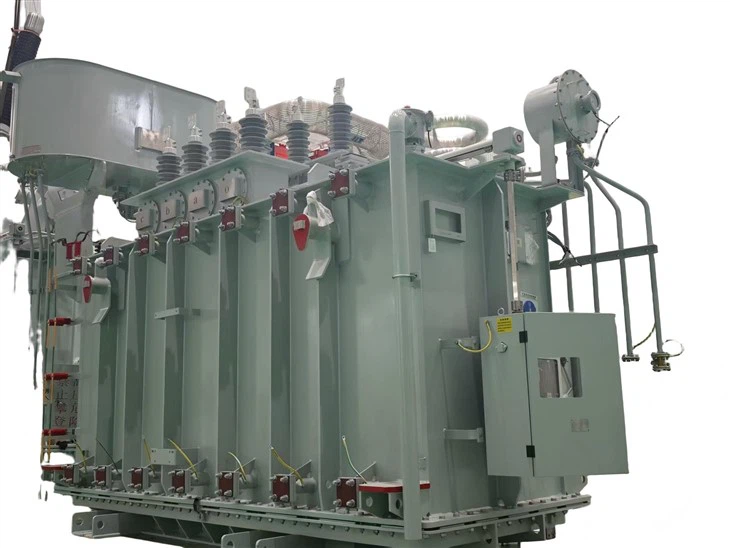
Let's consider a case where we are analyzing the operation data of a 50000KVA 50MVA 115KV Step Down With OLTC To 23KV Three Phase Substation Transformers. The transformer has been in operation for several years, and we have collected a large amount of operation data over this period.
Voltage and Current Analysis
By analyzing the voltage and current data, we notice that the secondary voltage has been gradually decreasing over the past few months. The primary current has also shown a slight increase. This could be an indication of a problem in the tap - changer or a winding fault. Further investigation, such as a tap - changer inspection and winding resistance measurement, is required.
Temperature Analysis
The temperature data shows that the oil temperature has been steadily increasing over time, especially during peak load periods. The temperature rise above the ambient temperature is approaching the maximum allowable limit. This may be due to overloading, poor cooling, or internal overheating. A DGA test is conducted to check for any incipient faults.
DGA Analysis
The DGA results indicate a slight increase in the concentration of hydrogen and methane gases. This could be a sign of overheating in the windings or core. Based on the DGA data and the temperature trends, we conclude that there is a potential overheating problem in the transformer, and immediate measures need to be taken, such as reducing the load or scheduling maintenance.
Conclusion
Analyzing the operation data of a 115kV power transformer is a complex but essential process for ensuring its reliable and efficient operation. By closely monitoring key parameters, using appropriate analysis methods, and considering various factors, we can detect potential problems early and take preventive actions. This not only helps in avoiding costly breakdowns but also extends the lifespan of the transformer.
As a supplier of 110KV 6.3MVA - 63MVA 3 - Phase Power transformer, we are committed to providing high - quality power transformers and comprehensive technical support. If you are interested in our Power Transformers or need assistance in analyzing the operation data of your transformers, please feel free to contact us for further discussion and procurement negotiation.
References
- IEEE Standard C57.12.00 - Standard General Requirements for Liquid - Immersed Distribution, Power, and Regulating Transformers.
- IEC 60076 - 1 - Power Transformers - Part 1: General.
- Emsley, A. M., & G. C. Stevens. "The nature of chemical ageing and degradation in oil - paper insulation systems." Electrical Insulation Magazine, IEEE, 1994.