

As a supplier of 110kV and 115kV power transformers, I've been deeply involved in the industry for quite some time. One crucial component that often doesn't get as much spotlight as it deserves is the pressure sensor. In this blog, I'll share some insights into the effects of pressure sensors on a 110kV power transformer.
Understanding the Basics
First off, let's quickly go over what a 110kV power transformer does. These transformers are a vital part of the electrical grid, stepping up or stepping down voltage levels to ensure safe and efficient power transmission and distribution. A 110kV transformer is designed to handle high - voltage tasks, and its proper functioning is critical for the overall stability of the power system.
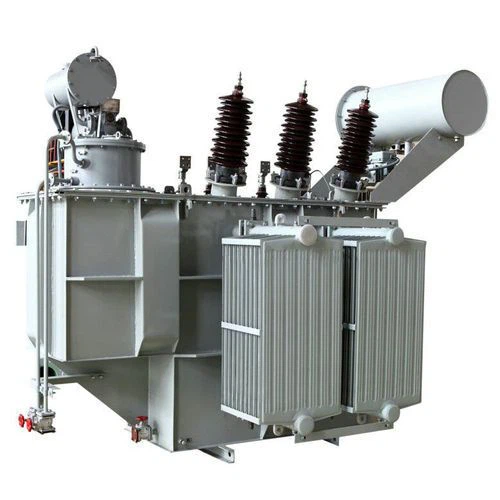
Now, pressure sensors are small but mighty devices. They're used to measure the pressure of various substances within the transformer, such as insulating oil. The insulating oil in a power transformer serves two main purposes: it insulates the electrical components and helps in dissipating heat. Any abnormal pressure changes in the oil could be a sign of underlying issues.
Early Fault Detection
One of the most significant effects of pressure sensors on a 110kV power transformer is early fault detection. Just like our bodies give off warning signs when something's wrong, a power transformer does too. Pressure sensors act as the "sensors" that pick up these warning signs.
For instance, if there's an internal short - circuit in the transformer, it can cause a rapid increase in temperature. This increase in temperature leads to the expansion of the insulating oil, which in turn raises the pressure inside the transformer tank. A pressure sensor can detect this sudden pressure change almost immediately. By alerting the operators early, it allows them to take preventive measures before the fault escalates into a major breakdown. This not only saves on costly repairs but also reduces the risk of power outages.
As a supplier, I've seen firsthand how early fault detection through pressure sensors has helped our customers avoid significant losses. For example, a utility company that purchased our Power Transformers installed pressure sensors on all their 110kV transformers. One day, the pressure sensor on one of the transformers detected a sudden pressure spike. The operators quickly shut down the transformer and found a minor short - circuit that was easily fixable. Without the pressure sensor, this could have turned into a catastrophic failure.

Monitoring the Health of Insulating Oil
The insulating oil in a 110kV power transformer is like the lifeblood of the unit. Over time, the oil can degrade due to factors like heat, moisture, and electrical stresses. Pressure sensors play a key role in monitoring the health of this insulating oil.
As the oil degrades, it can release gases. These gases can cause an increase in pressure inside the transformer. By continuously monitoring the pressure, the pressure sensor can give an indication of the oil's condition. If the pressure is rising steadily over time, it could mean that the oil is degrading and needs to be replaced or treated.
This is crucial because degraded insulating oil can lead to reduced insulation performance, which increases the risk of electrical arcing and breakdown. By using pressure sensors to keep tabs on the oil's health, operators can schedule timely maintenance and replacement, ensuring the long - term reliability of the transformer. For example, a customer who bought our 25MVA 25000KVA 150KV Step Down Power Transformer With MR OLTC was able to detect early oil degradation through pressure sensor readings. They were able to replace the oil in a timely manner, which extended the lifespan of the transformer.
Ensuring Safety
Safety is always a top priority when it comes to power transformers. High - voltage transformers can be extremely dangerous if not properly maintained. Pressure sensors contribute to safety in several ways.
In the event of a major internal fault, such as a large - scale short - circuit, the pressure inside the transformer can increase to extremely high levels. If this pressure is not relieved, it can cause the transformer tank to explode, which is a major safety hazard. Pressure sensors are often connected to pressure - relief devices. When the pressure exceeds a certain threshold, the pressure - relief device is activated, allowing the excess pressure to escape safely.
This not only protects the transformer itself but also the surrounding environment and personnel. For example, in a power substation where our 10mva 69kv/6.3kv Factory Price Direct Sales Of High - Quality Large Power Transformer was installed, a pressure sensor detected a dangerous pressure build - up during a fault. The pressure - relief device was triggered, preventing a potentially explosive situation.
Improving Efficiency
Pressure sensors can also have a positive impact on the efficiency of a 110kV power transformer. By providing real - time pressure data, operators can optimize the operation of the transformer.
For example, if the pressure inside the transformer is consistently higher than normal, it may indicate that the cooling system is not working efficiently. Operators can then adjust the cooling parameters or inspect the cooling equipment to bring the pressure back to normal levels. This helps in maintaining the optimal operating temperature of the transformer, which in turn improves its energy efficiency.
In addition, by detecting and fixing faults early, pressure sensors reduce the downtime of the transformer. Less downtime means more continuous power supply, which is beneficial for both the power grid and the end - users.
Conclusion
In conclusion, pressure sensors have a profound impact on a 110kV power transformer. They are essential for early fault detection, monitoring the health of insulating oil, ensuring safety, and improving efficiency. As a supplier of 110kV and 115kV power transformers, I highly recommend that all our customers install high - quality pressure sensors on their transformers.
If you're in the market for power transformers or want to learn more about how pressure sensors can enhance the performance of your transformers, don't hesitate to reach out. We're here to help you make the best decisions for your power needs.
References
- Electrical Power Transformer Engineering by Turan Gonen
- Modern Power System Analysis by DK Bhattacharya