

Hey there! As a supplier of 138kv and 132kv power transformers, I've seen firsthand how crucial it is to maintain these beasts properly. A well - maintained power transformer can last for decades, providing reliable power to homes, industries, and everything in between. So, let's dive into how to keep a 132kv power transformer in tip - top shape.
Regular Inspections
The first step in maintaining a 132kv power transformer is regular inspections. You can't just set it and forget it. These inspections should be done at least once a year, but in high - stress environments, more frequent checks might be necessary.
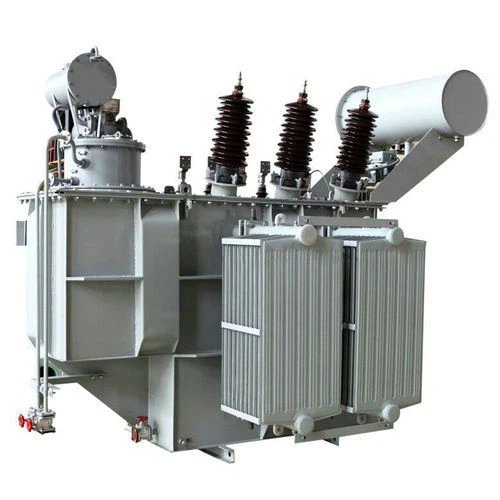
During an inspection, start by checking the exterior of the transformer. Look for any signs of physical damage, like cracks in the casing or corrosion on the terminals. Even a small crack can allow moisture to seep in, which can cause all sorts of problems down the line.
Next, examine the oil level. The oil in a power transformer serves multiple purposes. It cools the transformer and acts as an insulator. If the oil level is low, it could be a sign of a leak. And trust me, you don't want a leaky transformer. You can find more about the importance of transformer oil and related power transformer components on the Power Transformers page.
Also, check the bushings. These are the insulators that allow electrical connections to pass through the transformer's tank. Any signs of discoloration, cracking, or arcing on the bushings are red flags that need immediate attention.
Oil Testing
Oil testing is a big deal when it comes to maintaining a 132kv power transformer. The oil in the transformer degrades over time due to heat, oxidation, and contamination. Regular oil testing can help you catch these issues before they turn into major problems.
There are several types of oil tests you can perform. One of the most common is the dissolved gas analysis (DGA). This test looks for gases that are dissolved in the oil, which can indicate different types of faults inside the transformer. For example, high levels of methane and ethane might suggest overheating, while acetylene could mean there's arcing going on.
Another important test is the dielectric strength test. This measures the oil's ability to act as an insulator. If the dielectric strength is low, it means the oil might not be able to prevent electrical breakdown, which can lead to a short - circuit. You should aim to do these tests at least once a year, but more often if the transformer is under heavy load or in a harsh environment.
Temperature Monitoring
Temperature is a key factor in the health of a 132kv power transformer. Transformers generate heat when they're in operation, and if the temperature gets too high, it can cause the insulation to break down, leading to premature failure.
Install temperature sensors on the transformer to keep an eye on the hot - spot temperature. This is the highest temperature point inside the transformer, usually in the windings. You should set up an alarm system so that if the temperature exceeds a certain threshold, you're immediately notified.
Proper ventilation is also crucial for temperature control. Make sure the transformer's cooling system, whether it's air - cooled or oil - cooled, is working efficiently. If the cooling fans aren't spinning or the oil pumps aren't circulating the oil properly, the temperature will start to rise.
Maintenance of Cooling Systems
As I mentioned, the cooling system of a 132kv power transformer is super important. If it fails, the transformer will overheat and eventually break down.
For air - cooled transformers, clean the cooling fins regularly. Dust and debris can accumulate on the fins, reducing their ability to dissipate heat. You can use a compressed air gun to blow away the dirt or, if it's really dirty, a soft brush.
In oil - cooled transformers, check the oil pumps and radiators. The pumps should be running smoothly, and the radiators should be free of blockages. If you notice any unusual noises coming from the pumps or if the oil flow seems restricted, it's time to take a closer look.
Electrical Testing
Electrical testing is another essential part of maintaining a 132kv power transformer. You need to check the winding resistance, insulation resistance, and turns ratio.
The winding resistance test helps you detect any shorts or open circuits in the windings. A significant change in the winding resistance compared to the manufacturer's specifications could indicate a problem.
The insulation resistance test measures the resistance between the windings and the ground. A low insulation resistance value might mean there's moisture or contamination in the insulation.

The turns ratio test ensures that the transformer is stepping up or stepping down the voltage correctly. If the turns ratio is off, it can affect the power quality and cause problems for the connected equipment.
Record Keeping
Don't underestimate the power of record - keeping. Keep detailed records of all inspections, tests, and maintenance activities. This will help you track the transformer's performance over time and identify any trends or recurring issues.
For example, if you notice that the DGA results are showing a gradual increase in a certain gas over several tests, it could be a sign of an emerging problem. By having a record of all the tests, you can make more informed decisions about when to perform maintenance or if it's time to replace any components.
Environmental Considerations
The environment where the 132kv power transformer is installed can also have a big impact on its maintenance. If the transformer is located in an area with high humidity, there's a greater risk of moisture getting into the transformer. In this case, you might need to install dehumidifiers or moisture - barrier coatings.
If the transformer is in a polluted area, dust and chemicals can accumulate on the transformer's surfaces, which can affect its performance. Regular cleaning and protective coatings can help mitigate these issues.
Training and Safety
Make sure that anyone who works on or around the 132kv power transformer is properly trained. Working with high - voltage equipment is dangerous, and one wrong move can have serious consequences.
Provide regular safety training sessions and ensure that all workers follow the safety protocols. This includes wearing the appropriate personal protective equipment (PPE), like insulated gloves and safety glasses.
Contact for Purchase and Consultation
If you're in the market for a high - quality 132kv or 138kv power transformer, or if you need more advice on transformer maintenance, don't hesitate to reach out. We offer a wide range of power transformers, including the 125MVA 138KV 24.94KV Step Down Transformer and the 10mva 69kv/6.3kv Factory Price Direct Sales Of High - Quality Large Power Transformer. Our team of experts is always ready to assist you with your power transformer needs.
References
- Electrical Power Systems Quality by Roger C. Dugan, Mark F. McGranaghan, Surya Santoso, and H. Wayne Beaty
- Transformer Engineering: Design, Technology, and Diagnostics by G. Deb Saha