

Hey there! As a supplier of dry type transformers, I often get asked about the impedance of these transformers. So, I thought I'd take a few minutes to break it down for you.
First off, let's talk about what impedance actually is. In simple terms, impedance is a measure of how much a circuit resists the flow of alternating current (AC). It's a combination of resistance (which opposes the flow of current) and reactance (which is related to the magnetic and electric fields in the circuit). For dry type transformers, impedance plays a crucial role in how they perform and interact with the electrical system they're connected to.
The impedance of a dry type transformer is typically expressed as a percentage. This percentage represents the voltage drop that occurs across the transformer when it's carrying its rated current. For example, if a transformer has an impedance of 5%, it means that when it's operating at its full - load current, there will be a 5% voltage drop across the transformer windings.
Now, why is this important? Well, the impedance of a dry type transformer affects several aspects of its operation.
1. Short - Circuit Current Limitation
One of the most significant functions of transformer impedance is to limit the short - circuit current. When a short - circuit occurs in an electrical system, a very large amount of current can flow. If the transformer didn't have a certain level of impedance, this short - circuit current could be extremely high, which could damage the transformer and other equipment in the system. A higher impedance transformer will limit the short - circuit current more effectively. For instance, if you have a transformer with a higher impedance percentage, say 8% instead of 5%, the short - circuit current will be lower. This helps protect the electrical infrastructure from the potentially destructive effects of high short - circuit currents.
2. Voltage Regulation
Impedance also impacts voltage regulation. Voltage regulation refers to how well the transformer can maintain a constant output voltage as the load on the transformer changes. A transformer with a lower impedance will generally have better voltage regulation. When the load on the transformer increases, the voltage drop across the transformer windings (due to its impedance) will cause the output voltage to decrease. A lower impedance means that this voltage drop will be smaller, so the output voltage will remain closer to the rated voltage.
3. Parallel Operation
If you're planning to operate multiple dry type transformers in parallel, the impedance of each transformer needs to be carefully considered. Transformers with similar impedance values should be used for parallel operation. If the impedance values are too different, the transformers may not share the load evenly. One transformer might end up carrying more load than the others, which can lead to overheating and premature failure of the over - loaded transformer.
Now, how is the impedance of a dry type transformer determined? It depends on several factors.
Design Factors
The physical design of the transformer has a big impact on its impedance. The number of turns in the windings, the size and shape of the core, and the spacing between the windings all play a role. For example, increasing the number of turns in the windings will generally increase the impedance. The material used for the windings and the core also affects the impedance. Different materials have different electrical properties, which can influence how the transformer resists the flow of current.
Manufacturing Process
The manufacturing process can also affect the impedance. Precise winding techniques are required to ensure that the impedance is within the specified range. Any variations in the winding process, such as uneven winding or incorrect insulation thickness, can cause the impedance to deviate from the design value.
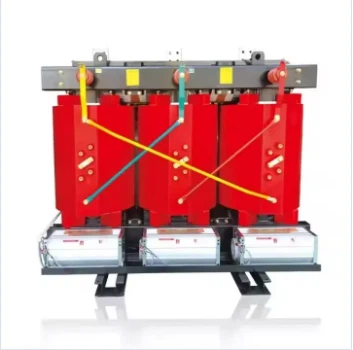

As a dry type transformer supplier, we offer a wide range of products with different impedance values to meet the diverse needs of our customers. For example, we have the High - Quality Hot Sales 10kv 500kVA Three Phases Dry Type Transformer Factoryprice. This transformer is designed to provide reliable performance in various electrical systems, and its impedance is carefully engineered to offer optimal short - circuit current limitation and voltage regulation.
Another product in our lineup is the Marine Dry Type Transformer. These transformers are specifically designed for marine applications, where they need to withstand harsh environmental conditions. The impedance of these transformers is adjusted to ensure stable operation in the unique electrical systems found on ships.
We also have the 2000 KVA 4.16KV Aluminum Epoxy Resin Cast Dry Type Step Down Transformer. This high - capacity transformer has an impedance value that is optimized for large - scale industrial applications, providing efficient power transfer and protection against short - circuits.
If you're in the market for a dry type transformer, it's important to choose the right impedance for your specific application. You need to consider factors such as the size of your electrical system, the expected load variations, and the level of short - circuit protection required. Our team of experts is always ready to help you make the right choice. We can analyze your electrical system requirements and recommend the most suitable transformer with the appropriate impedance value.
Whether you're a small business owner looking for a reliable power supply or a large industrial company in need of high - capacity transformers, we have the products and expertise to meet your needs. Don't hesitate to reach out to us to discuss your requirements and start the procurement process. We're committed to providing you with high - quality dry type transformers at competitive prices.
References
- "Transformer Engineering: Design, Technology, and Testing" by John J. McPartland
- "Electrical Power Systems Quality" by Roger C. Dugan, Mark F. McGranaghan, Surya Santoso, and H. Wayne Beaty