

The weight of a 132kV power transformer is a crucial factor that impacts various aspects of its installation, transportation, and overall functionality. As a reputable supplier of 138kV and 132kV power transformers, I am well - versed in the details regarding the weight of these large - scale electrical devices.
Factors Influencing the Weight of a 132kV Power Transformer
1. Capacity
The capacity of a power transformer, usually measured in megavolt - amperes (MVA), is one of the primary factors affecting its weight. A higher - capacity transformer will generally be heavier because it needs more materials to handle the larger electrical load. For example, a 100MVA 132kV power transformer will require more copper or aluminum windings and a larger core compared to a 20MVA 132kV transformer. The windings are responsible for carrying the electrical current, and a larger capacity means more turns of wire are needed to handle the increased current, which adds to the weight. The core, typically made of laminated steel, also needs to be larger to provide a low - reluctance path for the magnetic flux, further increasing the overall weight.

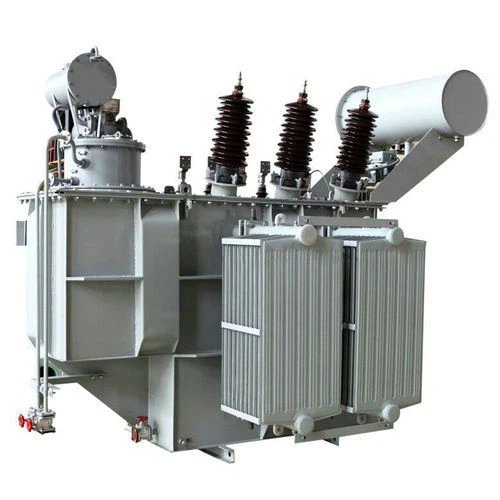
2. Design and Construction
The design of the transformer plays a significant role in determining its weight. Different designs may use different materials and construction techniques. Some transformers are designed with a more compact structure, which can reduce the amount of material used and thus the weight. For instance, a modern, high - efficiency design may use advanced insulation materials that are lighter but still provide excellent electrical insulation properties. The type of cooling system also affects the weight. Transformers can be air - cooled or oil - cooled. Oil - cooled transformers are heavier because they need to be filled with insulating oil, which not only provides insulation but also helps in dissipating heat. The oil tank and the oil itself add a considerable amount of weight to the transformer.
3. Core Material
The core of a power transformer is a key component, and the material used for the core can influence the weight. Most transformers use laminated silicon steel cores. The quality and thickness of the silicon steel laminations can vary. Thicker laminations may result in a heavier core, but they may also offer lower losses in some cases. Newer materials, such as amorphous metal cores, are being explored in transformer design. Amorphous metal cores can reduce core losses significantly, but they may have different weight characteristics compared to traditional silicon steel cores.
Typical Weight Ranges for 132kV Power Transformers
Based on industry experience, the weight of a 132kV power transformer can vary widely depending on its capacity. A small - capacity 132kV transformer, say around 10MVA, may weigh approximately 15 - 20 tons. As the capacity increases, the weight goes up rapidly. A 50MVA 132kV transformer can weigh between 30 - 40 tons, while a 100MVA 132kV transformer may weigh around 50 - 60 tons or more. These weights include the core, windings, oil (if it is an oil - cooled transformer), and the tank.
Importance of Knowing the Weight
1. Transportation
Transporting a 132kV power transformer is a complex and challenging task. Knowing the weight accurately is essential for choosing the right transportation method. Heavy - duty trucks, railcars, or even ships may be used depending on the size and weight of the transformer. Specialized trailers and lifting equipment are required to handle these heavy loads safely. Incorrect weight estimates can lead to problems during transportation, such as overloading the vehicle, which can be dangerous and may also result in legal issues.
2. Installation
During the installation of a 132kV power transformer, the weight is a critical consideration. The foundation where the transformer will be placed needs to be designed to support the weight. If the foundation is not strong enough, it can lead to settlement or even collapse, which can damage the transformer and pose a safety risk. Cranes and other lifting equipment must be selected based on the weight of the transformer to ensure a smooth and safe installation process.
Our Product Offerings
As a supplier of 138kV and 132kV power transformers, we offer a wide range of products to meet different customer needs. Our Power Transformers are designed with the latest technology and high - quality materials to ensure reliability and efficiency. For example, our 25MVA 25000KVA 150KV Step Down Power Transformer With MR OLTC is a high - performance transformer that has been carefully engineered to provide optimal electrical performance. It has a well - thought - out design that balances weight and functionality, making it easier to transport and install.
Another product in our portfolio is the 125MVA 138KV 24.94KV Step Down Transformer. This large - capacity transformer is built to handle heavy electrical loads, and we have paid close attention to its weight management during the design and manufacturing process. Despite its high capacity, we have used advanced materials and construction techniques to keep the weight within a reasonable range without compromising on performance.
Contact Us for Procurement
If you are in the market for a 138kV or 132kV power transformer, we encourage you to reach out to us for procurement and further discussions. We have a team of experts who can provide you with detailed information about the weight, specifications, and performance of our transformers. Whether you need a small - capacity transformer for a specific project or a large - scale transformer for a power grid, we can offer you the right solution. Contact us today to start the procurement process and get the best power transformer for your needs.
References
- IEEE Standard C57.12.00 - 2010, “Standard General Requirements for Liquid - Immersed Distribution, Power, and Regulating Transformers”.
- International Electrotechnical Commission (IEC) 60076 series of standards for power transformers.
- “Power System Analysis and Design” by J. Duncan Glover, M. S. Sarma, and Thomas J. Overbye.