

Pad mounted transformers are crucial components in electrical distribution systems, providing reliable power to a wide range of applications, from residential areas to commercial and industrial complexes. As a leading supplier of Pad Mounted Transformers, I understand the importance of proper maintenance to ensure the longevity and optimal performance of these transformers. In this blog post, I will discuss the essential maintenance requirements for pad mounted transformers and provide some tips on how to keep them in top condition.
Regular Inspections
Regular inspections are the cornerstone of pad mounted transformer maintenance. These inspections should be conducted at least annually, although more frequent inspections may be necessary in harsh environments or high-demand applications. During an inspection, a qualified technician will visually examine the transformer for signs of damage, wear, or leakage. They will also check the electrical connections, insulation, and cooling system to ensure they are functioning properly.
One of the key areas to inspect is the transformer's exterior. Look for any signs of physical damage, such as dents, cracks, or corrosion. These can indicate a problem with the transformer's enclosure or internal components and should be addressed immediately. Additionally, check the gaskets and seals around the doors and access panels to ensure they are intact and providing a proper seal. Leaks can allow moisture and contaminants to enter the transformer, which can lead to insulation breakdown and other problems.
The electrical connections are another critical area to inspect. Loose or corroded connections can cause overheating, which can damage the transformer's components and increase the risk of a fire. Check the terminals, bus bars, and wiring for signs of discoloration, melting, or arcing. Tighten any loose connections and clean any corroded surfaces using a suitable electrical contact cleaner.

Inspecting the insulation is also essential. Insulation breakdown can lead to short circuits and other electrical problems, so it's important to check the insulation resistance regularly. A qualified technician can use a megohmmeter to measure the insulation resistance and determine if it is within acceptable limits. If the insulation resistance is low, it may indicate a problem with the insulation, and further testing and repairs may be necessary.

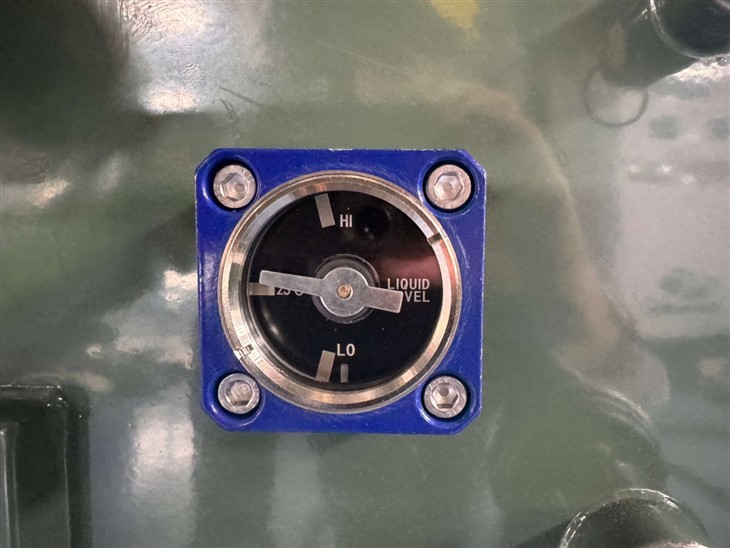
Finally, check the cooling system to ensure it is functioning properly. Pad mounted transformers typically use either air or oil for cooling, so it's important to check the cooling fins, fans, and oil levels regularly. If the cooling system is not working correctly, the transformer may overheat, which can reduce its lifespan and increase the risk of a failure.
Oil Sampling and Testing
If your pad mounted transformer uses oil for cooling and insulation, regular oil sampling and testing are essential. Oil sampling allows you to monitor the condition of the oil and detect any potential problems early. A qualified technician can take a sample of the oil and send it to a laboratory for analysis. The laboratory will test the oil for a variety of parameters, including moisture content, acidity, and dissolved gas analysis.
Moisture in the oil can cause insulation breakdown and other problems, so it's important to keep the moisture content within acceptable limits. Acidity in the oil can indicate the presence of contaminants or oxidation, which can also damage the insulation. Dissolved gas analysis can detect the presence of gases such as hydrogen, methane, and ethylene, which can indicate the presence of a fault in the transformer.
Based on the results of the oil analysis, the technician may recommend additional testing or maintenance. For example, if the moisture content is high, the oil may need to be dried or replaced. If the acidity is high, the oil may need to be treated with a neutralizing agent. If the dissolved gas analysis indicates the presence of a fault, further testing and repairs may be necessary.
Temperature Monitoring
Monitoring the temperature of your pad mounted transformer is another important aspect of maintenance. Overheating can cause insulation breakdown, reduce the lifespan of the transformer, and increase the risk of a failure. There are several ways to monitor the temperature of a transformer, including using temperature sensors, infrared thermography, and visual inspections.
Temperature sensors can be installed on the transformer to monitor the temperature of the oil, windings, and other critical components. These sensors can provide real-time temperature data, which can be used to detect any abnormal temperature increases early. Infrared thermography is another useful tool for temperature monitoring. This technique uses an infrared camera to detect heat patterns on the surface of the transformer. By identifying hot spots, you can detect potential problems before they cause a failure.

Visual inspections can also be used to monitor the temperature of a transformer. Look for signs of overheating, such as discoloration, melting, or charring. If you notice any of these signs, it's important to shut down the transformer immediately and have it inspected by a qualified technician.
Load Management
Proper load management is essential for the longevity and optimal performance of pad mounted transformers. Overloading a transformer can cause overheating, which can reduce its lifespan and increase the risk of a failure. To prevent overloading, it's important to monitor the load on the transformer regularly and ensure that it does not exceed its rated capacity.
There are several ways to manage the load on a transformer, including using load monitoring devices, implementing demand response programs, and upgrading the transformer if necessary. Load monitoring devices can provide real-time data on the load on the transformer, which can be used to identify any potential problems early. Demand response programs can help reduce the load on the transformer during peak demand periods by encouraging customers to reduce their electricity consumption.
If the load on the transformer is consistently approaching or exceeding its rated capacity, it may be necessary to upgrade the transformer to a larger size. This can help ensure that the transformer can handle the load without overheating and reduce the risk of a failure.
Contact Us for Purchase and Consultation
As a trusted supplier of 50KVA Single Phase Step Down Pad Mounted Transformer and 25KVA Single Phase Step Down Pad Mounted Transformer, we are committed to providing high-quality products and excellent customer service. If you are in the market for a pad mounted transformer or need more information about maintenance requirements, please do not hesitate to contact us. Our team of experts will be happy to assist you with your purchase and answer any questions you may have.
References
- IEEE Standard C57.12.28-2012, "Standard for Pad-Mounted, Compartmental-Type, Self-Cooled, Three-Phase Distribution Transformers, 500 kVA and Smaller; High-Voltage, 34 500 GrdY/19 920 Volts and Below; Low-Voltage, 0–600 Volts"
- ANSI/IEEE C57.104-2008, "Guide for the Interpretation of Gases Generated in Oil-Immersed Transformers"
- NFPA 70B-2019, "Recommended Practice for Electrical Equipment Maintenance"