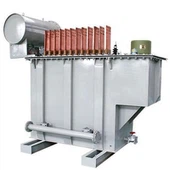
Power transformers can be used to power larger motors, but there are several key factors to consider:
1. * * Transformer capacity * *: First, ensure that the capacity of the transformer used is large enough to meet the rated power and current requirements of the motor. If the capacity of the transformer is insufficient, it may cause the motor to malfunction or the transformer to overheat or even be damaged.
2. * * Voltage matching * *: The output voltage of the transformer must match the rated voltage of the motor. If the voltage is too high or too low, it may cause damage to the motor or affect its performance. Therefore, when selecting a transformer, it is necessary to determine the output voltage of the transformer based on the rated voltage of the motor.
3. * * Phase and frequency * *: For three-phase motors, it is also necessary to ensure that the output phase and frequency of the transformer are consistent with the requirements of the motor. Different motors may have different phase and frequency requirements, so special attention should be paid to these parameters when selecting and using transformers.
4. * * Protection Measures * *: In order to prevent motor overload, short circuit or other abnormal situations, corresponding protection measures need to be set up in the circuit, such as overload protection, short circuit protection, etc. These measures can effectively protect motors and transformers, extending their service life.
In summary, although transformers can be used to power larger motors, it is necessary to fully consider factors such as transformer capacity, voltage matching, phase and frequency, and protective measures. If you are not familiar with or have doubts about these aspects, it is recommended to consult a professional electrical engineer or experts in the relevant field to ensure the safety and normal operation of the motor and transformer.
Contact us for more info.
Email: keiko@yaweitransformer.com
Whatsapp/Wechat:+86 15221863286