Q: 1:What are the different types of pad-mounted transformers?
A: Pad-mounted transformers are a type of utility transformer used for underground power distribution. They are designed to be installed at ground level, securely mounted on a concrete pad, and are typically enclosed in a lockable, tamper-proof cabinet. There are several different types of pad-mounted transformers, each serving specific purposes and applications: Single-phase Pad-mounted Transformers: Used primarily in residential areas, these transformers convert high voltage electricity to a lower voltage suitable for home use. They are compact and usually serve a small number of homes. Three-phase Pad-mounted Transformers: These are used in commercial and industrial settings where more power is required than a single-phase transformer can provide. They are larger and capable of handling higher power loads. Loop-feed Pad-mounted Transformers: Designed for redundancy in power distribution, loop-feed transformers have two sets of high-voltage inputs. This setup provides a backup power source in case one input fails, enhancing reliability. Radial-feed Pad-mounted Transformers: These transformers have a single set of high-voltage inputs and are commonly used in areas where power outages are less of a concern or where backup systems are already in place. Compact Pad-mounted Transformers: These are smaller in size and are designed for areas where space is limited. They are often used in urban or densely populated areas. Smart Pad-mounted Transformers: Equipped with advanced technology for monitoring and communication, these transformers can provide real-time data about power usage, transformer health, and other operational metrics. Each type of pad-mounted transformer is designed to meet specific needs based on the power distribution requirements, space constraints, and reliability needs of the area they serve. The choice of transformer type depends on factors like the expected load, the geographical area, and the specific requirements of the power distribution network.
Q:2. Do pad-mounted transformers have fuses?
A: Yes, pad-mounted transformers typically have fuses as part of their design for safety and operational integrity. The inclusion of fuses in pad-mounted transformers serves several important purposes: Overload Protection: Fuses protect the transformer from damage due to overloads. If the current exceeds safe levels, the fuse will blow, interrupting the flow of electricity and preventing potential damage to the transformer and the connected distribution network. Fault Isolation: In the event of a fault, such as a short circuit, the fuse will blow and isolate the transformer from the rest of the electrical system. This helps in limiting the impact of the fault to a smaller area and makes it easier to identify and rectify the problem. Safety: Fuses in pad-mounted transformers enhance safety by preventing the escalation of electrical faults. This is particularly important in residential and commercial areas where these transformers are commonly installed. The specific configuration of fuses in a pad-mounted transformer can vary based on its design and application. For example, different arrangements may be used in single-phase and three-phase transformers. Additionally, some modern transformers might incorporate more advanced protective devices like circuit breakers or electronically controlled switches. However, the fundamental purpose of these devices remains the same: to protect the transformer and the electrical system from damage due to abnormal operating conditions.
Q:3. Why are pad-mounted transformers green?
A: Pad-mounted transformers are often painted green for several practical and aesthetic reasons: Visual Blending with the Environment: Green is a color that blends well with outdoor environments, particularly in areas with grass, trees, and other vegetation. This helps the transformer to be less obtrusive and more visually harmonious with its surroundings. Standardization: The use of a standard color, like green, helps in maintaining uniformity across different installations, especially within a particular region or as specified by utility companies. This uniformity can be important for maintenance, identification, and overall aesthetic consistency. Safety and Recognition: While blending with the environment is important, transformers still need to be sufficiently visible to ensure that they are not accidentally damaged or tampered with. The specific shade of green used is often a balance between blending in and standing out enough to be noticed for safety reasons. Heat Absorption: Darker colors tend to absorb more heat than lighter colors. However, the specific shade of green used for transformers is typically selected to minimize excessive heat absorption while still providing the benefits of camouflage and standardization. Resilience to Dirt and Weathering: Green can be a practical choice in terms of maintenance as well. It can be more forgiving than lighter colors in showing dirt, wear, or weathering, which is beneficial given that these transformers are outdoor installations. It's important to note that while green is a common color for pad-mounted transformers, it's not the only color used. The choice of color can vary based on local regulations, the preferences of the utility company, or specific environmental considerations. In some cases, other colors like gray, brown, or even camouflage patterns might be used to better suit the local environment.
Q:4. How many volts is a pad-mounted transformer?
A: The voltage of a pad-mounted transformer can vary widely depending on its design and the requirements of the electrical distribution system it serves. Generally, pad-mounted transformers are used in medium-voltage to low-voltage distribution systems. Here are some typical voltage ranges: Primary (High) Voltage: This is the voltage at which the transformer receives power from the utility grid. It can range from about 2,400 volts (2.4 kV) up to 35,000 volts (35 kV), with common values including 4,160 volts (4.16 kV), 12,470 volts (12.47 kV), and 13,800 volts (13.8 kV). Secondary (Low) Voltage: This is the voltage at which the transformer delivers power to the end users. For residential areas, this is typically around 120/240 volts for single-phase service. In commercial or industrial settings, three-phase service might be provided at 208/120 volts, 240 volts, 480 volts, or other standard voltages. The specific voltage ratings of a pad-mounted transformer depend on factors such as the requirements of the local electrical grid, the type of customers it is serving (residential, commercial, industrial), and the regulatory standards in the region. Utility companies choose transformers with voltage ratings that match the needs of their distribution networks and the equipment being powered.
Q:5. Are pad-mounted transformers grounded?
A: Yes, pad-mounted transformers are grounded as a standard practice for safety and proper operation. Grounding in electrical systems, including transformers, serves several important purposes: Safety: Grounding provides a path for fault currents to flow safely to the ground, reducing the risk of electric shock to people who might come into contact with the transformer or connected equipment. This is crucial, especially since pad-mounted transformers are often located in accessible areas like residential neighborhoods or commercial properties. Stabilizing Voltage Levels: Grounding helps in stabilizing the voltage levels in the electrical system. It provides a common reference point for all voltages in the system, which helps in maintaining consistent voltage supply and preventing overvoltages. Protection from Lightning and Power Surges: Grounding the transformer helps in protecting the equipment and the connected electrical network from lightning strikes and power surges. During such events, the excessive current is safely diverted to the ground, reducing the risk of damage to the transformer and other electrical components. Improving Power Quality: A well-grounded transformer can help reduce the likelihood of electrical noise and interference in the system, which can improve the overall power quality and reliability. The grounding of a pad-mounted transformer typically involves connecting its metal enclosure and internal components to a grounding system, which usually includes a ground rod driven into the earth. This connection ensures that any fault current is effectively and safely directed into the ground. The grounding practices and standards may vary depending on local regulations and the specifications of the electrical utility company.
Q: 6.Do you need a pad for a transformer?
A: Yes, a pad is generally required for a pad-mounted transformer. The pad serves as a stable, durable foundation for the transformer and fulfills several critical roles: Support and Stability: The pad provides a solid and level base to support the weight of the transformer. Pad-mounted transformers can be quite heavy, and the pad ensures that they remain stable and secure once installed. Safety and Compliance: Many local and national electrical codes and standards require a concrete pad for pad-mounted transformers. This is to ensure a safe installation and operation, particularly in public or residential areas. Protection from Environmental Factors: The pad elevates the transformer slightly above ground level, which helps protect it from water, snow, and other environmental elements that could potentially damage the transformer or interfere with its operation. Ease of Maintenance: A concrete pad provides a clean and accessible area for utility workers to perform maintenance or inspections. This is important for the ongoing reliability and efficiency of the electrical distribution system. Theft and Vandalism Deterrence: A well-constructed pad can help deter theft and vandalism. The transformer is typically bolted to the pad, making it more difficult to tamper with or move. The typical material used for these pads is reinforced concrete, chosen for its durability and strength. The size and design of the pad can vary depending on the size and type of the transformer, local regulations, and specific requirements of the utility company. In addition to the pad, other installation requirements might include fencing, signage, and clearances around the transformer for safety and accessibility.
Q: 7.What is the difference between a live front and dead front pad mounted transformer?
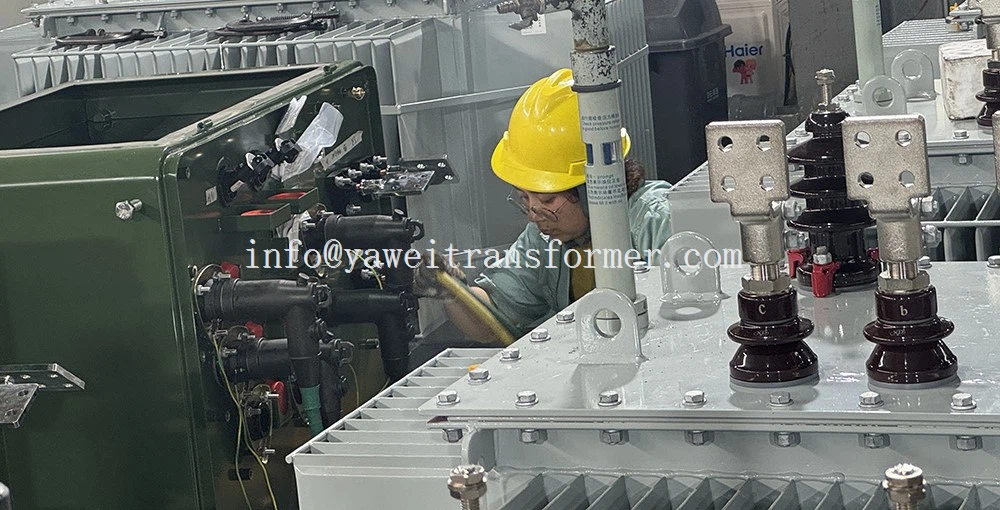
A: The terms "live front" and "dead front" refer to different designs of pad-mounted transformers, particularly in the way their connections and terminations are made. Live Front Pad-mounted Transformers: In a live front transformer, the high-voltage connections are exposed when the transformer's doors or panels are opened. This design typically features bolted terminations or open bushings where the high-voltage cables attach. Live front transformers require careful handling and specific safety protocols during maintenance or inspection because the live parts are exposed when accessed. They are generally considered less safe compared to dead front transformers, especially in public or easily accessible areas, due to the risk of accidental contact with live parts. Live front designs are more traditional and might be found in older installations. Dead Front Pad-mounted Transformers: In a dead front transformer, the high-voltage connections are enclosed and not exposed to touch or direct contact when the transformer's doors are opened. This design typically uses well-insulated connectors and bushings that are shielded to prevent accidental contact. Dead front transformers are considered safer, especially in environments where unqualified personnel might be present, such as residential neighborhoods or commercial areas. Maintenance and inspection can be performed more safely as the risk of accidental contact with live parts is greatly reduced. They represent a more modern design approach, focusing on enhanced safety and reduced risk. The choice between live front and dead front transformers often depends on the specific application, local regulations, and safety requirements. Dead front transformers are generally preferred in most new installations due to their enhanced safety features. YAWEI supply both dead front and live front transformer. Please feel free to contact us
Q: 8.What are the advantages of CT and PT transformer?
A: Current Transformers (CTs) and Potential Transformers (PTs), also known as Voltage Transformers, are essential components in electrical systems for measurement and protective relaying purposes. Each type of transformer has distinct advantages: Current Transformers (CTs) Accurate Current Measurement: CTs are used to measure high current levels. They reduce high current to a lower, manageable value which can be easily used by meters, relays, and other instrumentation. Safety: By stepping down the current to a lower level, CTs allow for safer handling and measurement, minimizing the risk to personnel and equipment. Isolation: They provide galvanic isolation between the high-voltage power circuit and the measuring instruments, enhancing safety and preventing damage to sensitive equipment. Enables Protective Relaying: CTs are essential for protective relay systems in power grids. They provide the necessary current levels for the operation of relays which protect the system from faults and overloads. Economical: Using CTs for current measurement is more cost-effective than designing meters and relays to measure high currents directly. Potential Transformers (PTs) or Voltage Transformers (VTs) Accurate Voltage Measurement: PTs step down high voltage to a lower, standardized value for easy and safe measurement and monitoring by meters and protective devices. Isolation from High Voltage: Similar to CTs, PTs provide galvanic isolation between the high-voltage power circuit and the measurement or protective circuits, which is crucial for safety and equipment protection. Voltage Monitoring for System Control: They are used for monitoring and controlling voltage levels in power distribution systems, which is vital for maintaining stability and efficiency. Protective Relaying: PTs supply voltage information to protective relays, which is crucial for fault detection and the operation of circuit breakers in response to abnormal conditions. Standardization of Measurements: By converting high voltage to a standardized lower voltage (like 120V), PTs allow the use of standardized meters and relays, simplifying system design and maintenance. Both CTs and PTs are crucial in electrical power systems for accurate measurement, effective monitoring, and reliable protective relaying. They contribute significantly to the overall safety, efficiency, and reliability of power distribution and transmission systems.
Q: 9.What are four major advantages of an auto transformers?
A: Auto transformers offer several advantages over conventional two-winding transformers in certain applications. Here are major advantages: Cost and Size Efficiency: Auto transformers are generally more economical and compact than conventional transformers with separate primary and secondary windings. Since they require less winding material (copper wire), less insulation, and less core material, they are cheaper to manufacture and can be made smaller for the same power rating. Higher Efficiency: Auto transformers typically have higher efficiency compared to conventional transformers. This is because they have lower copper losses due to the common winding, and the voltage transformation occurs partly by conduction and partly by induction, leading to reduced energy losses. Better Voltage Regulation: Auto transformers often provide better voltage regulation than two-winding transformers. The voltage drop due to resistance and reactance in the winding is usually lower, resulting in a smaller difference between no-load and full-load voltages. Flexibility in Voltage Ratio: Auto transformers offer more flexibility in adjusting the voltage ratio. The ratio can be smoothly varied (in variable auto transformers) or changed in small increments, making them suitable for applications requiring fine voltage adjustment or where the voltage variation is within a limited range. These advantages make auto transformers particularly suitable for certain applications, such as voltage regulation, starting of induction motors, and in some types of electrical power converters. However, it's important to note that auto transformers do not provide electrical isolation between the primary and secondary circuits, which can be a critical factor in some applications.
Q: 10.Why are isolation transformers safer?
A: Isolation transformers are considered safer for several reasons, primarily due to their design which provides galvanic isolation between the input and output. This isolation offers numerous safety benefits: Electrical Isolation: The primary and secondary windings in an isolation transformer are physically separated and have no direct electrical connection. This separation means that there is no direct conductive path for current to flow between the input and output. It significantly reduces the risk of electric shock, especially in sensitive applications or where user interaction is frequent. Reduction of Ground Loops: By isolating the ground of the power source from the ground of the load, isolation transformers help in reducing ground loop problems. Ground loops can cause interference and noise in sensitive electronic equipment, and isolating these circuits can enhance performance and reduce the risk of damage. Suppression of Transients and Noise: Isolation transformers can attenuate electrical noise and transients (such as voltage spikes) from the power source. This is particularly important in protecting sensitive electronic equipment, like computers, laboratory instruments, and audio equipment, from power surges and noise that can cause malfunction or damage. Increased Safety in Humid or Wet Environments: In environments where moisture is present, the risk of electrical shock is heightened. An isolation transformer reduces this risk, making it a safer choice for such settings. Controlled Secondary Voltage: Isolation transformers can be designed to deliver a specific voltage at the secondary winding regardless of the primary voltage, ensuring that the connected equipment receives a stable and appropriate voltage level. Preventing Direct Earth Contact: Since the secondary circuit of an isolation transformer is 'floating' (not referenced to ground), it prevents a direct path to earth in case of a fault. This reduces the chance of electric shock if someone touches the secondary circuit while in contact with the earth. These safety features make isolation transformers a preferred choice in various applications, including medical equipment, sensitive electronic devices, and environments where user safety is a paramount concern.
Q: 11.What is a pad mounted substation?
A: A pad-mounted substation, often referred to as a "padmount" substation, is a type of compact, enclosed electrical substation that is designed to be installed at ground level on a concrete pad. Unlike traditional substations which are large, open-air structures with visible equipment, pad-mounted substations are contained within tamper-resistant, locked metal cabinets. They are typically used in residential, commercial, and light industrial areas for power distribution. Compact and Enclosed Design: Pad-mounted substations are housed in a metal enclosure, which makes them less obtrusive and more suitable for areas where space is limited or where a less industrial appearance is desired. Ground-Level Installation: They are installed at ground level, making them easily accessible for maintenance and operation, without the need for extensive infrastructure like towers or fenced areas. Safety Features: The enclosures are typically locked and tamper-proof, which enhances safety for the general public and reduces the risk of vandalism or unauthorized access. Integration of Components: A pad-mounted substation usually contains components like transformers, switchgear, fuses, and sometimes meters. These components are integrated into a single unit, which simplifies installation and maintenance. Medium Voltage to Low Voltage Conversion: They are primarily used to convert medium-voltage electricity from the utility distribution system to the lower voltages used in homes, businesses, and small industrial facilities. Customization and Flexibility: Pad-mounted substations can be customized to meet specific requirements, such as voltage ratings, capacity, and functionality, making them versatile for various applications. Aesthetics: These substations can be painted or designed to blend with the surrounding environment, making them less visually intrusive. Pad-mounted substations are an efficient and space-saving solution for power distribution, especially in urban and suburban areas. Their design and functionality make them a vital component in modern electrical distribution networks.
Q: 12.Where do you put a pad-mounted transformer?
A: A pad-mounted transformer, typically used in electrical distribution systems, is usually installed on a small concrete pad or foundation. The location for installing a pad-mounted transformer is carefully chosen based on several criteria: Proximity to Load Centers: It should be placed close to the area where the electrical load is high, such as near commercial buildings, residential areas, or industrial sites. Accessibility for Maintenance: The transformer should be easily accessible for maintenance, repair, and emergency purposes. There should be enough space around the transformer for technicians to work safely. Safety Considerations: It should be installed in a location that is safe for the public and workers. This means keeping it away from high traffic areas and ensuring it does not pose a hazard to pedestrians. Visual Impact: Transformers can be unsightly, so they are often placed in less visible areas or landscaped around to minimize their impact on the surrounding aesthetics. Compliance with Regulations: The installation must comply with local electrical codes and regulations, which may dictate specific requirements for placement, fencing, and safety clearances. Flood and Environmental Risks: Areas prone to flooding or other environmental hazards are typically avoided to prevent damage to the transformer and ensure uninterrupted power supply. Property Lines and Right-of-Way: The transformer should be placed within the utility's right-of-way or on property for which the utility has an easement, while respecting property lines and zoning rules. It's important to consult with local utility companies and electrical codes to determine the most appropriate and legal location for installing a pad-mounted transformer.
Q:13. What is the minimum clearance around pad-mounted transformers?
A: The minimum clearance around pad-mounted transformers is established to ensure safety and accessibility for maintenance and emergency situations. These clearances can vary depending on local regulations, the utility company's standards, and the specific design and size of the transformer. However, there are general guidelines that are commonly followed: Front Clearance: The front of the transformer, which is typically where the access doors are located, requires the most clearance. A minimum of 10 feet (about 3 meters) is a common standard, allowing enough space for personnel to safely open and work on the transformer. Side and Rear Clearance: For the sides and rear of the transformer, a smaller clearance is often sufficient, usually around 3 feet (about 1 meter). This allows for adequate air circulation and access for inspections. Above Clearance: There should be no overhead obstructions like tree branches or power lines within a specified distance above the transformer. This clearance is often around 12 to 15 feet (about 3.7 to 4.6 meters). Clearance from Buildings: Transformers should also be placed a certain distance away from buildings. This distance varies but can be around 10 feet (3 meters) or more, depending on local fire codes and the transformer's specifications. Fire Safety Zones: In areas prone to wildfires, additional clearance might be required to create a defensible space around the transformer. It's essential to consult the specific guidelines provided by the local utility company and adhere to local building codes and electrical safety standards. These standards are in place to ensure that transformers operate safely and can be accessed and maintained without posing a risk to workers or the public. For detail please contact Yawei technician team
Q: 14.How many houses can a pad-mounted transformer handle?
A: The number of houses a pad-mounted transformer can handle depends on several factors, including the transformer's capacity, the average electrical load per house, and variations in household energy consumption. Here are the key factors to consider: Transformer Capacity: Pad-mounted transformers come in various sizes, typically ranging from about 15 kVA (kilovolt-amperes) to over 2500 kVA. The capacity of the transformer determines how much electrical load it can handle. Average Household Consumption: The average electricity consumption of a household varies based on factors like the size of the house, the number and type of electrical appliances, heating and cooling systems, and the habits of the residents. In the United States, for example, the average household consumption is around 877 kWh per month, which translates to an average continuous demand of about 1.2 kVA (assuming a power factor of 1, which is a simplification). Diversity Factor: Not all houses will use their maximum load simultaneously. The diversity factor accounts for this and allows utilities to safely supply more homes than the simple maximum load calculation would suggest. Given these factors, a rough estimation can be made. For instance, a 100 kVA transformer, considering an average continuous demand of 1.2 kVA per household and a reasonable diversity factor, could serve approximately 50 to 80 houses. However, this is a very generalized estimate. The actual number can vary significantly based on the specific circumstances and local practices. Utilities will use detailed calculations and consider peak demands, growth forecasts, and other local factors when determining the size of the transformer needed for a particular area. Therefore, it's always best to consult with local utility providers for precise figures.
Q: 15.What is a safe distance to live from a transformer?
A: Living near a transformer, especially a large one like a pad-mounted transformer, raises concerns about safety and electromagnetic field (EMF) exposure. While there's no universally agreed-upon "safe distance," several factors can help determine a prudent distance to live from a transformer: Electromagnetic Fields (EMFs): Transformers emit low-frequency EMFs. The intensity of these fields diminishes rapidly with distance. Typically, a distance of a few meters (10-20 feet) is sufficient for the EMF levels to fall within the range that is generally considered to be safe by international guidelines. Noise: Transformers can produce a low humming noise. A distance of about 50 feet (15 meters) is usually enough to mitigate this noise to a level that would not be disruptive in a residential setting. Safety Concerns: In case of a malfunction, such as an oil leak or, in rare cases, a fire, maintaining a safe distance can reduce risk. A distance of 20-50 feet (6-15 meters) from a residential property is often recommended. Aesthetic and Property Value Considerations: While not a health or safety concern, the presence of a large transformer close to a property can affect its aesthetic appeal and potentially its value. Local Regulations and Guidelines: Local building codes and regulations may specify minimum distances for buildings or residences from transformers. These regulations take into account safety, fire hazards, and other local conditions. Personal Sensitivity and Health Concerns: Individual health concerns or sensitivities might warrant a greater distance for peace of mind. In summary, while specific distances can vary, as a general guideline, living 20-50 feet (6-15 meters) away from a pad-mounted transformer is often considered a reasonable balance between safety, EMF exposure levels, and other practical considerations. However, for specific situations, it's always advisable to consult local regulations and guidelines, and consider personal health and safety concerns.
Q: 16.Are pad-mounted transformers safe?
A: Pad-mounted transformers are generally considered safe when properly installed, maintained, and used according to relevant safety standards and regulations. They are widely used in residential, commercial, and industrial areas to step down high-voltage electricity for local distribution. Here are key factors contributing to their safety: Robust Enclosures: Pad-mounted transformers are enclosed in tamper-resistant and weatherproof metal cabinets, reducing the risk of accidental contact with live electrical components. Safety Standards and Regulations: They are designed, installed, and maintained in accordance with stringent electrical safety standards. This includes regular inspections and maintenance to ensure they operate safely. Grounding and Protection Systems: They are equipped with grounding systems and protective devices to manage faults and minimize the risk of electrical shocks or fire. Placement and Clearances: Proper placement and maintaining required clearances around pad-mounted transformers ensure that they are not a safety hazard to the public. This includes adequate distance from homes, sidewalks, and areas of frequent public access. Low Noise and Emission Levels: Pad-mounted transformers typically operate quietly and, under normal operating conditions, produce very low levels of electromagnetic fields (EMFs) that are within international safety guidelines. Safety Signage: Warning signs and labels are usually placed on the enclosure to warn of potential electrical hazards and to keep unauthorized personnel away. Community and Environmental Safety: Pad-mounted transformers are designed to contain any internal faults and minimize the risk of environmental contamination in the event of a malfunction, like an oil leak. While pad-mounted transformers are safe in general, it's essential for utility companies and the public to respect safety guidelines, particularly maintaining proper clearance and not tampering with the units. In the rare event of a malfunction, such as a fire or oil leak, it's crucial to contact the local utility company or emergency services immediately.
Q: 17.How close can you build next to a transformer?
A: The minimum safe distance for building near a transformer or any electrical infrastructure depends on various factors, including local regulations, the type of transformer, its size, and the voltage it operates at. Transformers are critical components of electrical distribution systems and must be protected to ensure the safety of people and property. In the United States, for example, the National Electrical Safety Code (NESC) provides guidelines for the minimum safe distances between buildings and electrical equipment like transformers. However, these guidelines may vary by region and may be subject to local building codes and regulations. As a general rule of thumb, buildings should not be constructed within the minimum safe distances specified by local regulations and codes. These distances are typically determined to prevent potential hazards, such as fires or electrical accidents, and to allow for safe maintenance and operation of the transformer. To find out the specific requirements for building near a transformer in your area, you should contact your local electrical utility company or building department. They can provide you with the applicable regulations and guidelines for your region, as well as any necessary permits and approvals for construction near electrical infrastructure. It's important to follow these regulations to ensure the safety of both the building occupants and the electrical system.
Q: 18.What is a 3-phase pad-mounted transformer?
A: A 3-phase pad-mounted transformer is a type of transformer used primarily in electric power distribution. It's designed to step-down the high voltage from the power lines to a lower voltage suitable for use in commercial and residential applications. Here are its key characteristics: Three-Phase Power: Unlike single-phase transformers, a 3-phase transformer handles three alternating currents that are phase-shifted by 120 degrees from each other. This makes it suitable for heavy-duty applications, such as commercial buildings or industrial facilities, where large amounts of power are required. Pad-Mounted: These transformers are installed on a concrete pad (a flat, sturdy surface) at ground level. This mounting style makes them accessible for maintenance and repair but also requires them to be robust and secure to prevent unauthorized access. Enclosure: They are typically enclosed in a locked, metal cabinet. This enclosure protects the transformer from environmental elements and also provides a degree of safety by preventing direct contact with the live parts. Cooling System: Like other transformers, pad-mounted transformers use a cooling system (often oil or air-cooled) to manage the heat generated during operation. Safety and Reliability: They are designed with various safety features, such as pressure relief devices and fault protection, to ensure reliable operation and to protect against electrical faults. Application: Pad-mounted transformers are commonly seen in suburban or urban areas, serving as a critical component in distributing electricity from utility power lines to homes, businesses, and industrial facilities. Tamper-resistant and Low-profile: Their design is generally tamper-resistant to prevent unauthorized access and low-profile to blend in with the surrounding environment. These transformers play a vital role in the electrical distribution network, providing an efficient and reliable means of delivering electricity to end users.
Q: 19.What is the difference between PT and normal transformer?
A: The difference between a "Pretrained Transformer (PT)" and a "Normal Transformer" lies primarily in their training and application stages. Here's a breakdown of the key differences: Normal Transformer Architecture: Developed by Vaswani et al. in 2017, the Transformer model is a type of neural network architecture primarily used for handling sequential data, particularly in tasks like machine translation. Training: In a normal transformer, training typically begins from scratch for a specific task or dataset. Adaptability: These models are less adaptable to new tasks as they are trained specifically for one task. Data Requirement: They require large amounts of task-specific data for effective training. Time and Resources: Training from scratch demands significant computational resources and time. Pretrained Transformer (PT) Architecture: PTs also use the Transformer architecture but are distinguished by their pretraining approach. Training: PTs are initially trained on a large, diverse dataset (like books, websites, etc.) to learn a wide range of language patterns and knowledge. This stage is called pretraining. Fine-Tuning: After pretraining, these models are then fine-tuned on a specific task or dataset. This involves additional training but with a much smaller, task-specific dataset. Adaptability: PTs are highly adaptable to various tasks because of their broad foundational knowledge. Efficiency: Fine-tuning a PT is usually quicker and more resource-efficient compared to training a normal transformer from scratch.
Q: 20.What is the voltage of pad mount transformer?
A: Pad-mounted transformers, which are commonly used in electrical distribution systems, especially in suburban or rural areas, come in a variety of voltage ratings. The voltage of a pad-mounted transformer is typically characterized by two key values: Primary Voltage (High Voltage Side): This is the voltage at which the transformer receives power from the distribution grid. Common primary voltages for pad-mounted transformers in the United States include 7.2 kV, 12.47 kV, 13.2 kV, and sometimes higher, depending on the requirements of the electrical distribution system. Secondary Voltage (Low Voltage Side): This is the voltage at which the transformer delivers power to homes, businesses, or other end users. Typical secondary voltages include 120/240V, 277/480V, or 120/208V, aligning with standard residential and commercial power needs. The specific voltage ratings can vary based on the design and purpose of the transformer and the requirements of the electrical grid it serves. Utilities select transformers with voltage ratings that match their system's requirements, ensuring compatibility and efficient power distribution. Additionally, pad-mounted transformers are designed for outdoor installation, with a locked metal cabinet housing to protect the transformer components and provide safety to the public. They are typically found in residential areas, commercial complexes, and light industrial sites.
Q:21. ls a transformer usually mounted on a pole or plinth?
A: Transformers in power distribution networks can be mounted in different ways, depending on their type and application. The two common mounting methods are pole-mounted and plinth-mounted (also known as pad-mounted or ground-mounted). Pole-Mounted Transformers Location: Mounted on utility poles. Usage: Commonly used in residential areas or rural settings where space is not a constraint. Capacity: Generally have lower power ratings, suitable for serving a smaller number of homes or facilities. Access: Elevated, reducing the risk of tampering or accidental contact but can be more challenging to service. Appearance: Typically smaller and less conspicuous than ground-mounted transformers. Plinth (Pad)-Mounted Transformers Location: Mounted on a concrete plinth or pad on the ground. Usage: Common in suburban areas, commercial, and industrial settings where there's more ground space. Capacity: Usually have higher power ratings, designed to serve larger buildings or multiple properties. Access: Easily accessible for maintenance, but require secure enclosures to prevent unauthorized access and ensure safety. Appearance: Larger and more noticeable, often enclosed in a metal cabinet. The choice between pole-mounted and plinth-mounted transformers depends on various factors like the geographical area, power requirements, available space, and safety considerations. In urban areas where space is limited, pole-mounted transformers are often preferred, while in suburban or commercial areas with more ground space, plinth-mounted transformers are more common due to their higher capacity and easier maintenance access.