

Advantages of Copper vs. Aluminum Transformers
Choosing between copper and aluminum transformers is really a decision about performance priorities, installation limits, operating conditions, and budget expectations. Both metals are widely used in electrical transformers, and both can be engineered into reliable power transformers when the transformer design is done correctly. The practical difference is that copper generally supports a more compact, lower-resistance design, while aluminum is often selected when material cost and weight are more important than size and conductivity.
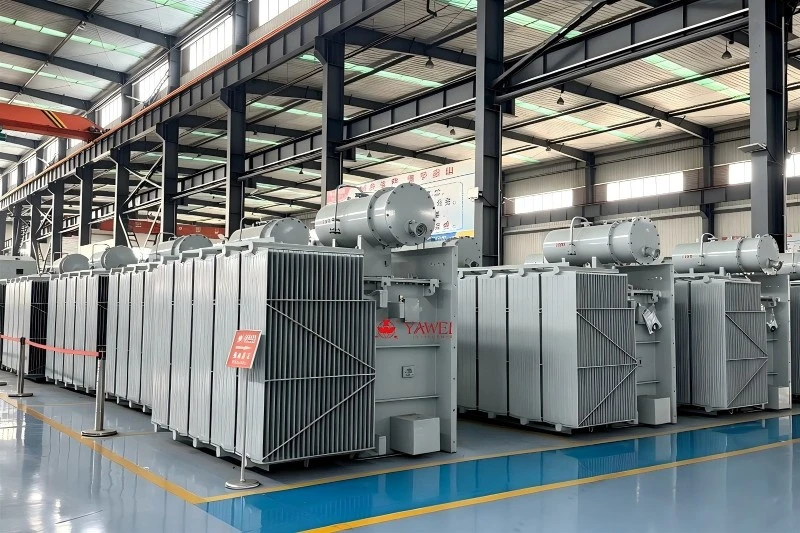
Which transformer material is the better fit?
Copper is usually the stronger fit when space is limited, electrical losses must be minimized, or the transformer will serve a demanding application where efficiency and thermal performance matter. Aluminum can be the better fit when the project needs a cost-conscious solution, the enclosure has room for a larger winding package, and the design accounts for aluminum's lower metal conductivity. In short, copper often favors performance density; aluminum often favors budget flexibility.
The best choice is not made by comparing metal alone. It depends on the full system: load profile, cooling method, installation environment, service access, lifecycle expectations, and how much value the buyer places on lower operating losses versus lower upfront cost. A well-designed aluminum transformer can perform reliably, but it may need larger conductors to carry the same current. A copper transformer can often achieve the same electrical goal in a smaller footprint, but the material cost is typically higher.
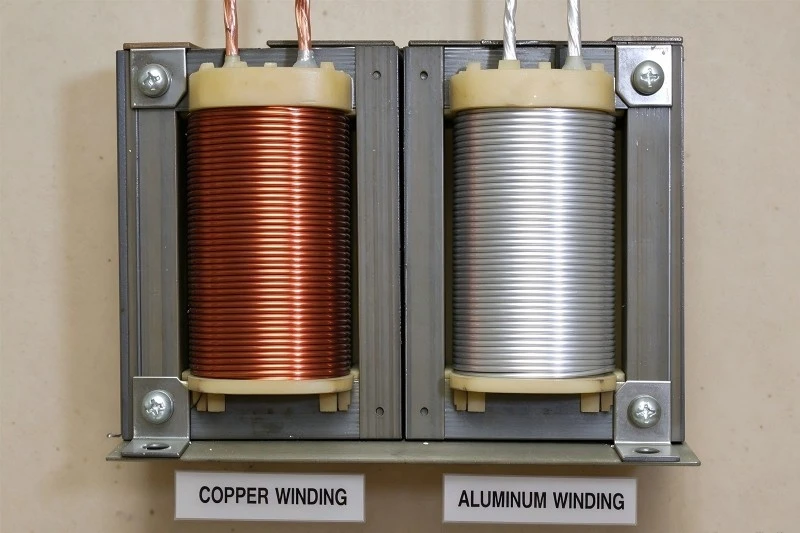
Copper vs aluminum at a glance
The following comparison summarizes the decision points that usually matter most when evaluating copper and aluminum transformers. It keeps the same criteria for both materials so the trade-offs are easier to see.
| Decision factor | Copper transformers | Aluminum transformers |
|---|---|---|
| Conductivity | Higher metal conductivity supports lower resistance in a compact winding. | Lower conductivity means the design typically needs more conductor area. |
| Size and footprint | Often more compact for the same electrical rating. | Often larger when designed for comparable performance. |
| Weight | Copper is denser, so the winding material is heavier. | Aluminum is lighter, which can help in some handling or structural situations. |
| Efficiency potential | Can support lower winding losses when properly designed. | Can be efficient, but design must compensate for higher resistance. |
| Thermal behavior | Strong conductivity can help manage heat within a compact design. | Larger conductor sizing and proper cooling become especially important. |
| Mechanical strength | Copper windings are generally valued for durability under electrical and mechanical stress. | Aluminum designs require careful connection and winding practices. |
| Upfront material cost | Usually more expensive as a conductor material. | Often selected to reduce conductor material cost. |
| Long-term value | Strong option when operating cost and space matter. | Strong option when initial budget and weight are key priorities. |
Conductivity and efficiency favor copper
The central technical advantage of copper is conductivity. Because copper conducts electricity better than aluminum, a copper winding can carry current with less resistance in a smaller cross-sectional area. In transformer design, lower resistance can help reduce winding losses, which is one reason copper is common in applications where efficiency, compactness, and heat management are important.
This does not mean every copper transformer automatically outperforms every aluminum transformer. The design, insulation system, cooling path, core quality, and manufacturing practices all influence performance. However, when engineers compare copper vs aluminum for the same electrical duty, copper gives them more conductivity to work with. That can make it easier to build a transformer that is smaller, cooler-running, or more efficient under load.
For facilities with high utilization, this difference can matter over time. A transformer that runs for long hours may make lifecycle performance more important than the purchase price alone. In those cases, copper's efficiency potential can support a stronger long-term value argument, especially where electrical losses translate into meaningful operating cost.
Aluminum can reduce upfront cost and weight
Aluminum's main advantage is economic and practical. It is commonly chosen when the buyer wants to control initial cost or when a lighter winding material is useful for handling, shipping, or structural reasons. In many commercial and industrial applications, aluminum electrical transformers can perform well when they are designed with the right conductor sizing, cooling, and connection methods.
The trade-off is that aluminum needs more conductor area to approach the current-carrying performance of copper. That can make the transformer physically larger, depending on the rating and construction. The design may also require extra attention at terminations and joints, because connection quality has a direct effect on resistance, heat, and long-term reliability.
Aluminum is often a reasonable choice when the installation has adequate space, the load profile is not unusually demanding, and the project team is prioritizing capital cost. It is not simply a "lesser" material; it is a different design choice with different constraints. The key is making sure the transformer is specified for the application rather than selected only by price.

Which option is cheaper to run?
Copper is often cheaper to run when its higher conductivity contributes to lower winding losses, but the actual operating cost depends on the complete transformer design and how heavily the unit is loaded. Aluminum may cost less to buy, yet a design with higher losses can cost more to operate over its service life. The right comparison should include both purchase price and expected energy loss, not just the conductor material.
A practical lifecycle review should consider:
Load profile: A transformer serving heavy or continuous loads makes efficiency more important than one used lightly.
Energy cost: Higher electricity rates make transformer losses more expensive over time.
Space constraints: A compact copper unit may avoid installation complications in tight electrical rooms.
Replacement expectations: Long service planning gives operating efficiency more time to affect total value.
Maintenance access: Any material choice benefits from accessible, well-made connections and proper inspection.
If the transformer will operate near capacity for long periods, copper deserves serious consideration. If the unit will see lighter duty and the project is cost-sensitive, aluminum may be more attractive.
Design quality matters as much as material choice
The phrase copper and aluminum transformers can make the decision sound like a simple material contest, but transformer performance is broader than the winding metal. Core design, insulation class, cooling method, enclosure type, short-circuit strength, sound requirements, and installation environment all affect the final result. A poorly specified copper transformer is not better than a properly engineered aluminum transformer for the same job.
For power transformers, the specification should clearly state the electrical duty, expected load conditions, ambient environment, physical space limits, and any efficiency or temperature-rise expectations. These details help the designer choose conductor sizing, winding geometry, and cooling arrangements that match the application. Without that context, the material comparison can become misleading.
A useful selection checklist includes:
Confirm the load profile before comparing materials.
Check available installation space and ventilation conditions.
Compare expected losses, not only initial cost.
Review connection design and maintenance accessibility.
Match the transformer to the environment, including heat, moisture, dust, and service conditions.
Evaluate total value across purchase, operation, installation, and maintenance.
Recommendation summary
Choose copper when the application demands high conductivity, compact size, lower-loss performance, and strong lifecycle value. It is often the preferred direction for demanding electrical systems, tight installations, and projects where efficiency has a meaningful operational impact.
Copper's advantages are especially clear when the transformer is heavily loaded or when space and heat management are major concerns.
Choose aluminum when upfront cost, lower conductor weight, and budget flexibility are more important than the smallest possible footprint.
Aluminum can be a dependable option in many transformer designs, provided it is properly sized and manufactured for the application. It is most attractive when there is enough room for a larger design and the operating profile does not make small efficiency differences the deciding factor.
For most buyers, the smartest answer is not simply "copper" or "aluminum." It is to compare both options against the same duty cycle, space limits, efficiency goals, and long-term operating expectations. When the transformer design is aligned with the real application, either material can serve well-but copper generally leads on conductivity and compact performance, while aluminum generally leads on initial cost and weight flexibility.
Q: How soon can you delivery the transformer?
A: It depends on the quantity and capacity of the transformer, normally within one month since the date drawing confirmed by buyer.
Q: How long can you provide the quality warranty?
A: 24 months since the date transformer operated.
Q: What payment method do you accept?
A: T/T (wire transfer) preferred, L/C both accepted.


