Data Center Transformers: The Unsung Heroes Keeping Our Digital World Running
Data centers are basically the engine rooms of the internet-powering everything from your Netflix binge to massive AI training runs. And right in the middle of all that, doing the heavy lifting without much fanfare, are data center transformers. These things make sure the massive amounts of electricity coming in actually gets delivered safely and efficiently to all those servers and cooling systems that just can't afford to go down.
So, What Exactly Are They?
In simple terms, a data center transformer steps down the high-voltage power from the utility grid to something the facility can actually use-like dropping it from thousands of volts down to 480V or even lower for the IT gear, UPS units, and power distribution stuff.
They do a lot more than just change voltage, though. They help regulate power, isolate electrical issues, protect against surges, and keep things stable even when those non-linear server loads create all kinds of harmonic distortion. In high-reliability setups (think Tier III or IV facilities), they're absolutely critical for keeping the lights on-no matter what.

Main Types You'll See in Data Centers
Transformers show up at different points: out at the substation, across the campus, and close to the actual loads.
Dry-Type Transformers are the go-to choice for indoor spaces. No oil, just air or solid insulation like cast resin. They're safer around people and equipment (no fire risk from flammable liquids), easier to maintain, and you can put them closer to sensitive IT areas without worrying. Most modern data centers lean heavily on these.
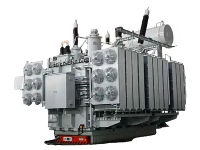
Liquid-Filled (Oil) Transformers still rule for big outdoor or substation jobs. They handle higher capacities well, run more efficiently in some cases, and newer versions use eco-friendlier biodegradable fluids.
Then there are the newer Solid-State Transformers (SSTs). These use power electronics instead of traditional coils and are pretty exciting-they're more efficient, play nicer with DC power and renewables, and could be a game-changer for super-dense AI setups.
You'll also hear about things like K-factor ratings for handling harmonics or different cooling methods, but the big decision usually comes down to dry vs. liquid depending on where it's going.
Why They Actually Matter
Data centers are power-hungry beasts, and with AI booming, global demand is expected to more than double by 2030. Transformers sit at the heart of making that possible. They provide the redundancy (N+1 or 2N setups), help keep efficiency high so your PUE doesn't go through the roof, and make sure everything stays safe and compliant with all the various standards.
Without solid transformer strategies, you simply can't scale up hyperscale campuses or even smaller edge facilities reliably.
The Market Boom... and the Big Headache
The data center transformer market is growing fast-strong projections through the early 2030s. Everyone's building like crazy because of cloud computing, AI, and edge needs.
But here's the catch: there's a serious supply shortage. Lead times for big units can stretch 2–4 years right now. A lot of planned projects in the US are getting delayed because there just aren't enough transformers, switchgear, and the raw materials (copper, steel, etc.) to go around.
Sometimes the big hyperscalers swoop in and snag what's available, leaving everyone else waiting. It's a real bottleneck.
How to Pick the Right One
If you're involved in choosing transformers, focus on the basics:
Match the capacity and voltage to your actual load profile (1–5 MVA units are pretty common).
Prioritize efficiency-lower losses add up to real money and better sustainability.
Think about harmonics, noise levels (especially indoors), and smart monitoring features so you can catch problems early.
And always look at total cost of ownership, not just the sticker price. A good unit can last 20–60 years with proper care.
Get familiar with standards like NEMA, IEEE, and UL, and talk to manufacturers early. That can save you months of headaches on delivery.
What's Next on the Horizon
The future looks interesting. We're seeing more smart transformers with IoT sensors for real-time insights, modular designs for faster rollout, and better eco-friendly options. On the cutting edge, DC architectures are gaining traction to cut down on conversion losses in AI racks, and solid-state tech could help integrate renewables more smoothly.
Wrapping It Up
At the end of the day, data center transformers might not be the flashiest part of these massive facilities, but they're absolutely essential. They keep everything reliable, efficient, and safe while the industry races forward.
If you're building, upgrading, or just trying to understand the space, getting a handle on transformers is worth your time. With data demand showing zero signs of slowing down, the folks who plan ahead on power infrastructure-especially these quiet workhorses-will be the ones who stay ahead of the curve.