Electrical Transformers Market and Purchase Guide: How to Choose the Right Transformer for Your Project
The global electrical transformers market is changing quickly. As power demand keeps growing, industries are expanding, renewable energy projects are increasing, and data centers are consuming more electricity than ever before. Behind all of this growth, transformers continue to play a key role in delivering stable and reliable power.
For EPC contractors, industrial facility managers, utilities, and procurement buyers, purchasing a transformer is not simply about finding the lowest price. A transformer is a long-term investment that affects system reliability, operating costs, and overall project performance.
Choosing the right equipment means looking at many factors, including transformer types, transformer design, efficiency, maintenance requirements, and the specific needs of the application.
As a professional transformer manufacturer, Yawei Transformer provides customized solutions for global customers, including power transformers, industrial transformers, renewable energy transformers, and data center electrical substation transformers designed for modern power systems.
Current Trends in the Electrical Transformers Market
The demand for electrical transformers continues to grow across many industries and regions, especially in the USA, Europe, and Southeast Asia. Several factors are pushing the market forward:
Expansion of renewable energy and smart grid projects
Increasing electricity consumption from industrial development
Growing investment in power infrastructure upgrades
Rapid construction of AI and cloud data centers
Replacement of aging electrical equipment
Today's power systems are becoming more complex. Transformers need to do more than simply transfer electrical energy. They must provide higher efficiency, better voltage control, improved safety, and reliable operation under changing load conditions.
For many international projects, customers are also looking beyond the product itself. They want a transformer supplier that can provide engineering support, customization, testing, and dependable after-sales service.
Understanding Different Transformer Types
Before purchasing a transformer, it is important to understand the available transformer types and where they are commonly used.
Different applications require different designs, insulation methods, and cooling systems. A transformer used in a power grid substation will have very different requirements compared with one installed in a factory or commercial building.
| Transformer Type | Main Applications | Key Features |
|---|---|---|
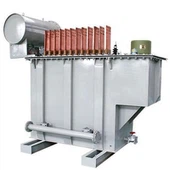
| Oil-immersed Transformers | Utilities, substations, industrial facilities | High capacity, strong cooling performance, suitable for outdoor installation |
| Dry Type Transformers | Buildings, hospitals, factories | Fire-resistant design, low maintenance, suitable for indoor applications |
| Distribution Transformers | Residential and commercial power systems | Used for final voltage distribution to end users |
| Power Transformers | Transmission networks and large substations | Designed for high voltage and large power capacity |
| Pad-Mounted Transformers | Underground distribution systems | Compact, secure, and suitable for outdoor installation |
| Voltage Transformers | Measurement and protection systems | Provides accurate voltage monitoring for control equipment |
Selecting the correct transformer type helps improve system performance and avoid unnecessary operating problems later.
For example, utilities usually require large-capacity power transformers, while manufacturing plants often need industrial transformers that can handle heavy and continuous loads.


Key Factors When Buying an Electrical Transformer
Buying a transformer requires more than checking the rated capacity. The equipment needs to match the actual operating environment and future development plans.
The first step is understanding the electrical requirements of the project.
Important parameters include:
| Parameter | Description |
| Primary Voltage | Incoming voltage level from the power source |
| Secondary Voltage | Output voltage required by the equipment |
| Rated Capacity | Transformer power rating in kVA or MVA |
| Frequency | Usually 50Hz or 60Hz depending on the region |
| Load Characteristics | Type and variation of connected loads |
| Future Expansion | Additional capacity requirements in coming years |
Choosing the correct capacity is important. A transformer that is too small may experience overheating and reduced service life, while an oversized transformer can increase initial investment and energy losses.
Working with an experienced transformer manufacturer can help determine the best solution based on actual project conditions.
Transformer Efficiency: Reducing Long-Term Operating Costs
Transformer efficiency has become a major consideration for modern power projects.
Although transformers are highly efficient electrical devices, even small improvements can create meaningful savings over years of operation.
High-efficiency transformer design focuses on reducing:
Core losses during no-load operation
Winding losses under load
Heat generation
Energy consumption
Modern transformers use improved magnetic materials, optimized winding structures, and advanced insulation technologies to achieve better performance.
For large industrial facilities and data centers, improving transformer efficiency can significantly reduce operating expenses throughout the equipment lifecycle.
Industrial Transformers for Heavy-Duty Applications
Industrial facilities depend on stable electricity. A power interruption can lead to production delays, equipment damage, and financial losses.
Industrial transformers are widely used in:
Manufacturing plants
Mining operations
Oil and gas facilities
Steel factories
Renewable energy projects
Large commercial buildings
These transformers are designed to handle demanding environments, including high electrical loads, continuous operation, and challenging installation conditions.
Yawei Transformer provides customized industrial transformer solutions based on project requirements, including different voltage ratings, cooling systems, protection configurations, and installation environments.
Data Center Electrical Substation Transformers: Supporting the Digital Economy
The rapid growth of artificial intelligence, cloud computing, and digital services has created new demand for reliable power infrastructure.
Data center electrical substation transformers are especially important because modern data centers require:
High power density
Continuous operation
Stable voltage supply
Reliable backup power integration(Data Center Uninterruptible Power(UPS systems): Why Transformers Really Matter)
Effective harmonic management (Harmonic Mitigating Transformer | Reduce Distortion & Improve Power Quality | Yawei)
Unlike traditional facilities, data centers cannot easily tolerate unexpected downtime. Transformer design must consider not only current demand but also future load growth.
High-efficiency transformers help data centers improve energy performance while supporting reliable electrical conversion from utility power to facility operating voltages.
Transfor mer Maintenance and Reliability Management
Even a high-quality transformer requires proper maintenance. Regular inspections help identify potential problems before they become expensive failures.
A typical transformer maintenance program may include:
| Maintenance Item | Purpose |
| Oil Testing | Checks insulation oil condition and detects contamination |
| Temperature Monitoring | Identifies abnormal heating conditions |
| Insulation Inspection | Evaluates insulation aging and electrical strength |
| Connection Inspection | Prevents overheating caused by loose connections |
| Protection System Testing | Ensures safety devices operate correctly |
For oil-immersed transformers, oil analysis and dissolved gas analysis (DGA) are commonly used to monitor internal conditions.
A good maintenance plan helps utilities and industrial users extend transformer life, reduce downtime, and improve overall system reliability.
Custom ized Transformer Design and Manufacturing
Every project has its own challenges. Sometimes a standard transformer cannot fully meet the requirements of a specific application.
Professional transformer manufacturers can provide customized transformer design solutions, including:
Special voltage configurations
Customized cooling systems
Different insulation systems
Unique enclosure requirements
Application-specific performance improvements
Yawei Transformer works with EPC contractors, utilities, and industrial customers to develop transformer solutions for different industries and international markets.
Choos ing the Right Transformer Manufacturer
A transformer is expected to operate reliably for decades,  so choosing the right supplier is a critical decision.
A qualified transformer manufacturer should provide:
Advanced Manufacturing-Ensures consistent product quality
International Standards Compliance-Supports global project requirements
Complete Testing-Verifies safety and performance
Engineering Support-Helps optimize transformer selection
After-Sales Service-Provides long-term technical assistance
For projects involving power transformers, voltage transformers, and electrical conversion systems, supplier experience can make a major difference.
Conclusion: Building Reliable Power Systems with the Right Transformer Solution
The electrical transformers market will continue growing as global electricity demand rises and power infrastructure develops. From residential electrical transformers to large-scale utility equipment, transformers remain essential for safe and efficient energy distribution.
For EPC contractors, utilities, and industrial customers, selecting the right transformer means considering transformer types, transformer efficiency, maintenance requirements, and long-term reliability.
Yawei Transformer provides customized transformer solutions for customers worldwide, helping support industrial development, renewable energy projects, and next-generation data center infrastructure.
With the right transformer design and a reliable manufacturing partner, businesses can build electrical systems that are safer, more efficient, and ready for future power demands.
Q: How soon can you delivery the transformer?
A: It depends on the quantity and capacity of the transformer, normally within one month since the date drawing confirmed by buyer.
Q: How long can you provide the quality warranty?
A: 24 months since the date transformer operated.
Q: What payment method do you accept?
A: T/T (wire transfer) preferred, L/C both accepted.