

How Much Is a Transformer? Understanding Transformer Prices
If you're planning an electrical project, one of the first questions you'll probably ask is: how much is a transformer? The answer depends on the transformer's capacity, voltage rating, insulation type, cooling method, efficiency requirements, and installation environment. A small transformer for commercial equipment may cost only a few hundred dollars, while a large power transformer for a utility substation can cost hundreds of thousands or even millions of dollars.
For electrical contractors, EPC companies, industrial facility managers, data center developers, and utility procurement teams, understanding transformer pricing is an important part of project planning. The purchase price matters, of course, but so do energy losses, maintenance requirements, delivery schedules, and long-term operating costs.
This guide explains typical transformer price ranges, what drives the cost, and how to select a transformer that fits your project and budget.
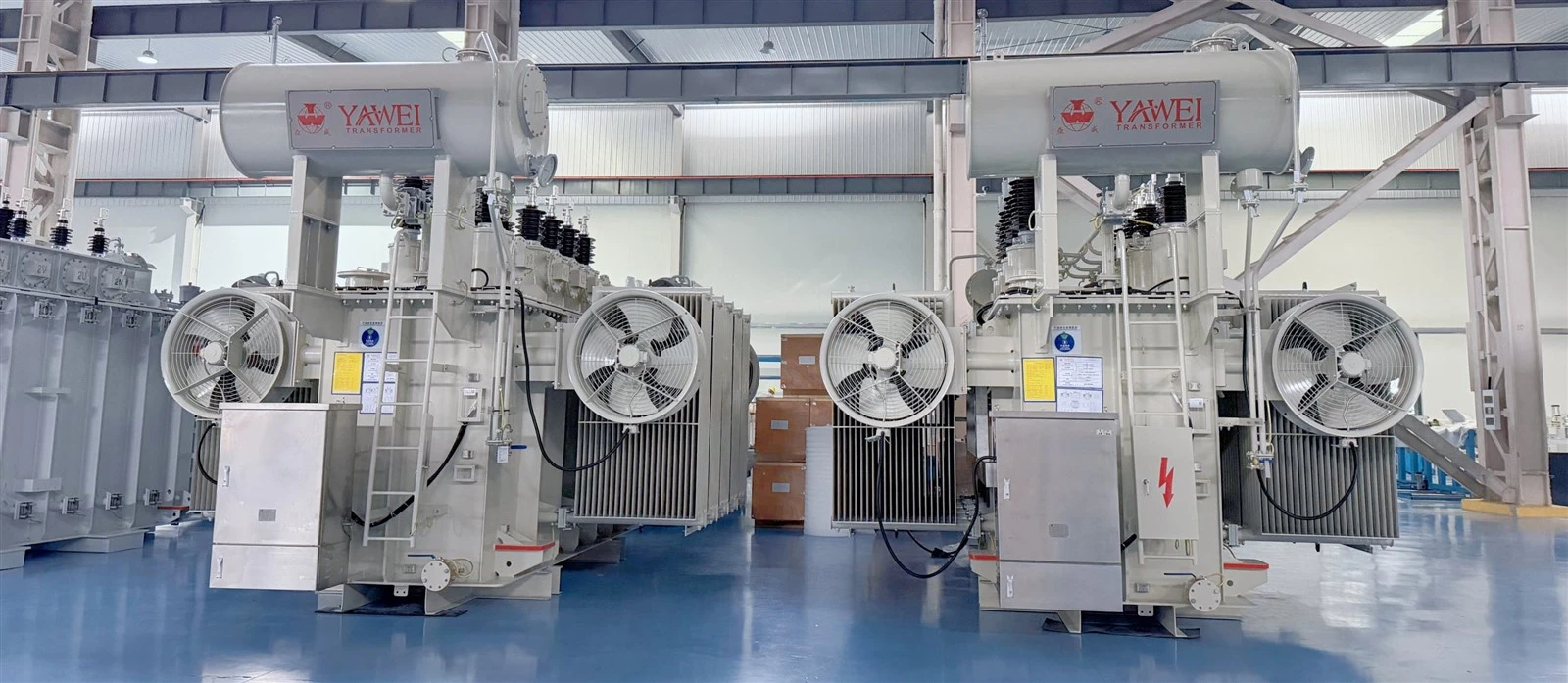
How Much Does a Transformer Cost?
Transformer prices vary widely depending on the application and technical specifications. The following figures are broad budgetary estimates in USD for preliminary planning, not current supplier quotations.
| Transformer Type | Typical Capacity | Estimated Price (USD) |
|---|---|---|
| Small control transformer | 1–10 kVA | $100–$1,000 |
| Pole-mounted transformer | 10–500 kVA | $500–$15,000 |
| Dry-type transformer | 10–500 kVA | $500–$15,000 |
| Distribution transformer | 25–2,500 kVA | $1,000–$50,000 |
| Pad-mounted transformer | 75–2,500 kVA | $5,000–$80,000 |
| Medium-voltage transformer | 500 kVA–5 MVA | $10,000–$200,000 |
| Large power transformer | 10–100+ MVA | $200,000–$3 million or more |
These ranges overlap because transformer categories are defined by different characteristics. For example, a pad-mounted transformer is also a type of distribution transformer, while dry-type and oil-immersed transformers can be manufactured across a range of capacities.
Actual prices can fall outside these ranges, particularly for specialized high-voltage equipment, large production orders, low-loss designs, and transformers requiring extensive testing or customized accessories. Shipping, taxes, installation, and commissioning may also be excluded from the equipment price.
Transformer Price by Type
1. Dry-Type Transformer Price
A dry-type transformer uses air or another suitable gas for cooling rather than  liquid insulating oil. Cast-resin and other dry-type designs are widely used in commercial buildings, hospitals, industrial plants, and data centers where indoor installation and fire-safety considerations are important.
The price of a dry-type transformer depends on its rated capacity, insulation system, temperature rise, enclosure protection, and efficiency class.
A standard low-voltage unit generally costs less than a medium-voltage cast-resin transformer designed for demanding industrial service.
When comparing dry-type transformer prices, buyers should check the rated voltage, winding material, cooling arrangement, noise level, temperature-rise limits, and applicable standards. A lower initial quotation may not represent the best value if the transformer has higher energy losses or does not meet the project's requirements.
2. Oil-Immersed Transformer Price
An oil-immersed transformer uses insulating liquid for electrical insulation and  heat transfer. It is commonly used in utility distribution networks, renewable energy projects, industrial facilities, and outdoor substations.
Its cost is influenced by capacity, voltage class, core and winding materials, insulating liquid, cooling equipment, and tank construction.
Additional features such as an on-load tap changer, pressure-relief devices, temperature monitoring, and specialized protection can increase the overall price.
For outdoor applications, oil-immersed transformers can offer a practical solution for handling substantial loads. Buyers should also consider the installation requirements, liquid containment, fire protection, environmental regulations, and maintenance arrangements.
3. Pad-Mounted Transformer Price
A pad-mounted transformer is typically installed at ground level inside  a secure, tamper-resistant enclosure. It is widely used in underground distribution systems serving residential developments, shopping centers, industrial parks, and commercial facilities.
The cost includes more than the transformer core and windings. The cabinet, switching and protection arrangements, cable compartments, connectors, and specified safety features can all affect the final quotation.
Pad-mounted transformer prices vary considerably with capacity, primary and secondary voltages, loop-feed or radial-feed configuration, fault ratings, and utility requirements. A project with special metering, switching, or protection requirements may need a more customized design.
4. Distribution Transformer Price
A distribution transformer reduces electrical voltage to a level suitable for end  users. These units are found throughout public distribution networks, manufacturing facilities, commercial buildings, and renewable energy installations.
Both dry-type and oil-immersed distribution transformers are available. Their prices depend on kVA rating, voltage ratio, phase configuration, impedance, insulation system, efficiency requirements, and operating environment.
For procurement teams purchasing multiple distribution transformers, it is worth requesting a quotation based on a consistent technical specification. This makes it easier to compare suppliers fairly and evaluate the total cost of ownership rather than the purchase price alone.
5. Power Transformer Price
Power transformers are designed for higher capacities and are commonly installed in transmission substations, power plants, and large industrial energy systems. Depending on the project, they may operate at tens or hundreds of MVA and at high or extra-high voltages.
Compared with standard distribution transformers, large power transformers require more substantial engineering, manufacturing, insulation coordination, cooling systems, mechanical reinforcement, and factory testing. Their transportation can also be a major cost because of their size and weight.
For these projects, the quotation is usually highly specification-dependent. Voltage level, winding arrangement, tap-changing requirements, impedance, cooling method, loss guarantees, accessories, and factory acceptance tests all need to be defined before suppliers can provide a meaningful price.
What Factors Affect Transformer Prices?
Rated Capacity and Voltage
Capacity is one of the main drivers of transformer cost. A higher kVA or MVA rating generally requires more active materials and a more substantial cooling system. Higher voltage ratings also increase insulation and clearance requirements, which can add manufacturing complexity.
However, price does not always increase in direct proportion to capacity. Design optimization, production volume, material prices, and technical requirements can all influence the cost per kVA.
Core and Winding Materials
Electrical steel, copper, and aluminum are important materials in transformer manufacturing. Core design and winding configuration affect the amount of material required, manufacturing time, losses, and thermal performance.
Copper windings may carry a higher material cost than aluminum windings in some designs, but the choice should be evaluated against electrical performance, dimensions, weight, and project requirements. Neither option should be judged on material price alone.
Energy Efficiency and Operating Losses
A transformer consumes energy through no-load losses in the core and load losses in the windings. These losses continue to affect operating costs throughout its service life.
A low-loss transformer may have a higher purchase price but deliver lower electricity costs over time, especially when operating continuously or serving a substantial load. For industrial plants and data centers, even a relatively small improvement in efficiency can become meaningful over years of operation.
A proper comparison should consider guaranteed no-load and load losses, expected loading, electricity tariffs, and the project's operating profile. Applicable efficiency regulations and minimum performance requirements must also be taken into account.
Cooling, Insulation, and Protection
Cooling methods such as natural air cooling, forced-air cooling, and oil-based cooling influence the design and cost. Insulation class, temperature rise, enclosure rating, corrosion protection, and environmental conditions also matter.
For example, an indoor dry-type transformer with a basic enclosure will generally have different cost requirements from an outdoor transformer exposed to humidity, dust, salt air, or large temperature variations.
Customization and Testing
Standard transformers are often more economical to manufacture than units requiring special voltage ratios, unusual vector groups, multiple windings, grounding arrangements, or specialized control and monitoring systems.
Testing requirements also affect the quotation. Routine tests are normally part of manufacturing quality control, while additional type tests, special tests, witness inspections, and project-specific documentation may involve extra cost depending on the contract.
Transportation and Installation
Transformer procurement costs should be separated from total installed costs. Depending on the project, additional expenses may include freight, insurance, import duties, unloading, lifting equipment, foundations, cable terminations, switchgear, commissioning, and site acceptance testing.
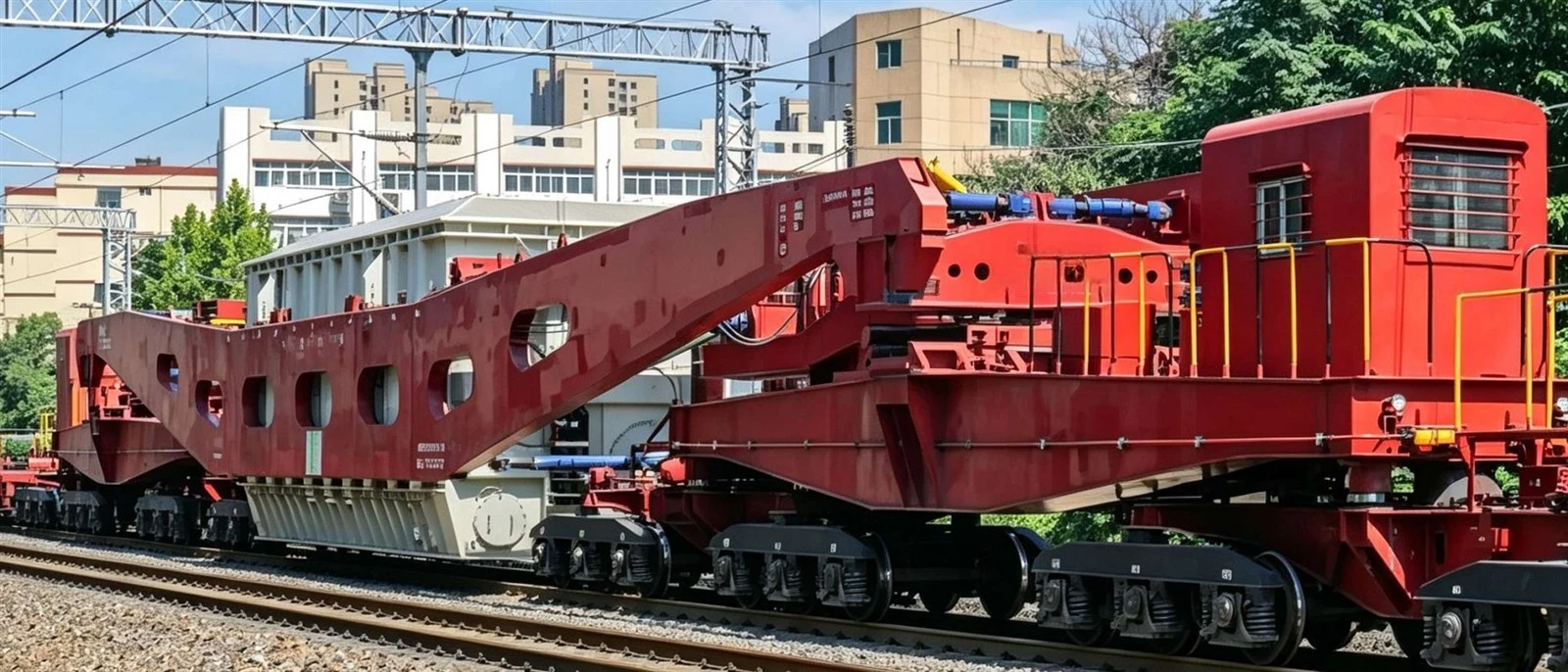
Large power transformers may require specialized transport planning and route surveys. For international projects, buyers should confirm delivery terms and identify which party is responsible for shipping, customs clearance, and unloading.
Transformer Purchase Price vs. Total Cost of Ownership
A low initial price is not necessarily the most economical choice. Transformer buyers should compare the purchase cost with the expected cost of operating and maintaining the equipment over its service life.
| Cost Component | What to Consider |
|---|---|
| Initial purchase | Transformer, standard accessories, and included tests |
| Energy losses | No-load and load losses over the expected operating period |
| Installation | Foundations, cabling, protection, lifting, and commissioning |
| Maintenance | Inspections, oil testing where applicable, and spare parts |
| Reliability | Design quality, manufacturing consistency, and service support |
| Delivery | Lead time, freight, customs, and project schedule risks |
For transformers that operate around the clock, energy losses can be especially important. A useful procurement approach is to compare suppliers using the same technical specifications and evaluate the financial impact of guaranteed losses over the expected operating period.
How to Get an Accurate Transformer Quotation
To answer the question "how much is a transformer?" accurately, a manufacturer needs enough information to select or design the correct unit.
Start with the rated capacity in kVA or MVA, primary and secondary voltages, frequency, and phase configuration. Then specify the transformer type, installation location, cooling method, impedance, winding material if required, and any special efficiency or environmental requirements.
For a more demanding project, the technical specification should also address vector group, tap changer, temperature rise, insulation level, enclosure protection, accessories, applicable IEC or IEEE standards, and required factory acceptance tests.
Quantity and delivery destination are equally important. A quotation for one transformer delivered to a remote project site may differ considerably from the unit price for a batch of transformers shipped to a distribution center.
Providing a clear specification at the beginning helps manufacturers quote the right equipment, reduces unnecessary revisions, and makes technical and commercial comparisons more reliable.
Why Choose Jiangsu Yawei Transformer Co., Ltd.?
Jiangsu Yawei Transformer Co., Ltd., a subsidiary of Yawei Group, was established in 1993 and has more than 30 years of transformer manufacturing experience. The company is a national high-tech enterprise and a national-level specialized and innovative "Little Giant" enterprise.
Yawei provides transformer solutions for different voltage levels and applications, including oil-immersed transformers, dry-type transformers, distribution transformers, power transformers, and equipment for renewable energy and energy storage projects.
For industrial users, utilities, EPC contractors, and project developers, selecting a transformer manufacturer involves more than comparing the initial price. Manufacturing capability, design support, quality control, testing, delivery coordination, and after-sales service all contribute to the long-term value of the equipment.
Yawei works with customers to evaluate project requirements and develop suitable transformer solutions. Whether you need a distribution transformer for a commercial development, a dry-type transformer for an industrial facility, or customized power equipment for an energy project, the right specifications are the starting point for a reliable quotation.
Get a Transformer Price for Your Project
So, how much is a transformer? A small standard unit may cost hundreds of dollars, while a large utility power transformer can cost millions. The right price depends on the capacity, voltage level, transformer type, technical specifications, and delivery requirements.
Before making a purchase, compare technical compliance, guaranteed losses, manufacturing quality, lead time, and long-term operating costs alongside the initial quotation.
Contact Jiangsu Yawei Transformer Co., Ltd. to request a transformer quotation or technical consultation. Share your capacity, voltage requirements, application, quantity, and delivery destination so the engineering and sales teams can help identify a suitable solution for your project.
Q: How soon can you delivery the transformer?
A: It depends on the quantity and capacity of the transformer, normally within one month since the date drawing confirmed by buyer.
Q: How long can you provide the quality warranty?
A: 24 months since the date transformer operated.
Q: What payment method do you accept?
A: T/T (wire transfer) preferred, L/C both accepted.


