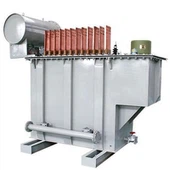
Transformer Core detailed description
Transformers are irreplaceable in the field of electrical engineering; they hold great importance as key parts in the process of transmitting and distributing electricity. At the center of each transformer is the core, which plays a vital role and has a significant impact on both the performance and function of the transformer. To understand the intricacies of a transformer's core may feel daunting at first, but with careful examination of its parts and features, we can make sense of how it works. The article will give a complete introduction about the transformer cores, including different kinds of transformer cores, functions and usages in all sorts of industries.
A transformer core is a part of a transformer which transfers electric power from one circuit to another. The transformer core design and material selection play an important role in improving the overall efficiency of the transformer through reducing the energy loss.
The main job of the core is to give a path for the magnetic flux, which is important for how the transformer works. It can guide the magnetic field produced by the alternating current well so as to make sure that the electrical energy can be transferred from the primary winding to the secondary one. This is basic to the transformer's ability to change voltage levels, which is vital for power distribution.
Generally made up of iron, such as silicon steel, transformer cores are made to improve magnetic characteristics and lower energy loss. Silicon steel is used because it has low hysteresis loss and high permeability so that energy loss can be reduced. Core material will affect the performance of the transformer, which will have an impact on efficiency, heat dissipation and magnetic saturation.

A transformer's core design could differ greatly depending on what it will be used for. Laminated, Toroidal, Solid – these all have their own set of pros and cons. They are made for particular operations that need to cut down on eddy current loss or lessen the electromagnetic interference.
the fuction of transformer's core
A transformer core has many roles to play, every one adding something to how well the transformer works.
The main job of the core is to make the magnetic field inside the transformer stronger so that energy can move easily between the different parts called windings. The transformer confines the magnetic flux to the core which reduces the energy loss and increases the efficiency. This concentration is important for keeping the right voltage and current in the electric part.
Besides concentrating the magnetic field, the core is also responsible for stabilizing the voltage and current levels. By reducing magnetic field leakage, the core makes sure that the transformer's output stays constant so it doesn't cause changes which would affect electric systems. And this stability is important for making sure that power distribution networks stay reliable and safe.
Transformer cores are made to lower energy losses, mostly by lessening hysteresis and eddy current losses. There is hysteresis loss because the core is repeatedly magnetized and demagnetized; eddy currents are produced by the alternating magnetic field. Core design with advanced cores and materials try to reduce this loss and make the transformer have a higher efficiency.
the importance of transformer's core material
A transformer's core material selection is key to determining how well it will work and perform.
Silicon steel is the most commonly used material for transformer cores because it has good magnetic properties. It has low hysteresis loss and high permeability which makes it suitable for reducing energy loss. Adding silicon to steel raises its electrical resistivity which reduces eddy current losses and improves the transformers general efficiency.
The most recent developments in materials science have given rise to fresh choices for transformer cores, including amorphous steel and nanocrystalline alloys. They have good magnetic characteristics and less loss, so people think they can make transformers work better. The creation of such new materials shows that there is still an effort towards making electric things more efficient and friendly to the environment.
The material on a transformer core affects its thermal performance, efficiency and life span. A good choice of material makes sure that the transformer works as well as it can, with not too much wasted energy and not much extra heat. So it can extend the life of the transformer and reduce the frequency of maintenance, which is conducive to the safety of the power system.
the kinds of transformer core
There are different kinds of transformer cores for use, each type has its own application and operation requirements.
Laminated cores are made up of many thin sheets of silicon steel that have been stacked on top of each other. This kind of structure can reduce eddy current losses. Laminated cores break the path of eddy currents, so there's less energy wasted, making the transformer work better. They are cost-effective with good performance which makes it a popular choice as power transformer for large scale energy distribution.
The toroidal core has a donut shape, which gives it some benefits compared to other kinds of cores. Its shape cuts down on electromagnetic interference and leakage flux, so it's good for when you have little space. The toroidal cores are mostly used in the audio equipment and small transformers, where the size and weight matters a lot.
Solid cores made from one piece of material are less frequent compared to laminated or toroidal cores. They are usually used in low frequency application where there is no need to worry about eddy current loss. Although they have limited uses, solid cores can provide ease of construction and lower cost to manufacture.
Core current transformers(CCTs) are special devices which measure alternating current (AC) by making a smaller current that matches the size of the circuit's current. They are important for watching over and managing electric systems, giving correct numbers that make things safer and better. CCTs are vital for keeping electrical systems running safely.
Core balance current transformers(CBCT) can detect leakage current in electrical system which is important to keep the system safe and avoid damaging equipments.
CBCT works by measuring the total amount of current in a circuit. Normally, the sum of all the currents is 0, which means the system is balanced. But when there's a leakage or a fault, the CBCT senses that imbalance and it sets off protective measures – circuit breakers and whatnot – so nothing gets ruined. And this ability is necessary to keep electrical systems safe and whole.
different applications of transformers cores
Transformers cores form part of quite a few different applications found throughout many industries, with every single one using them for its own special purposes.
Power distribution requires transformer cores that change voltage levels so energy can travel far without losing much of its power. Transformer cores reduce energy loss and keep power grids stable, which is important for giving people dependable electricity.
Transformer cores are widely adopted in industrial machinery for controlling voltage and current so as to guarantee the safe and effective operation of equipment. Manufacturing and automation industries require exacting control over electric parameters, making it essential to have transformer cores which improve performance and safety.
Renewable energy systems such as wind turbines and solar panels have transformer cores which are responsible for converting and controlling the power. They help connect renewable energy sources to the grid and support sustainability by lowering dependence on fossil fuels. With increasing demand for clean energy, the importance of efficient transformer cores in these systems will continue to grow.
Transformer cores should be maintained properly to ensure that they last long and perform well.
maintainace of transformer cores
Regular inspections are necessary to spot signs of wear or damage on transformer cores. Routine checks are carried out so that problems could be solved before affecting the transformer's performance or causing expensive repairs. This kind of proactiveness maintains the dependability and effectiveness of electric systems.
Effective cooling and heat dissipation are important for keeping the core's performance up. When overheating happens, there will be less efficiency and earlier failure, so we need ways to make sure the heat goes away. Good ventilation, cooling equipment, and thermal management techniques are necessary to maintain a transformer's life span.
And there are still innovations in material and design that try to reduce energy loss in the core of the transformer. Amorphous steel and better lamination techniques have been developed to improve efficiency by reducing hysteresis and eddy current losses. This shows an effort towards more efficient and greener transformers.
Transformer cores should be understood by people working on electrical engineering and other related fields. They play an important part in making sure that energy is transferred well, keeping things safe, and letting us use different kinds of things. Choosing the right kind of core and taking good care of it can greatly improve how well electrical systems work.
conclusion
In summary, whether it's a laminate core used in power transformers or a toroid core found in audio equipment, every kind of transformer core has its own set of advantages and uses. With technological advancement, there would always be demand for developing better and more efficient transformer cores which will also lead to growth in the electrical engineering sector.
FAQ
Q: 1. How soon can you delivery the transformer?
A: It depends on the quantity and capacity of the transformer, normally within one month since the date drawing confirmed by buyer.
Q: 2. How long can you provide the quality warranty?
A: 24 months since the date transformer operated.
Q: 3. What payment method do you accept?
A: T/T (wire transfer) preferred, L/C both accepted.