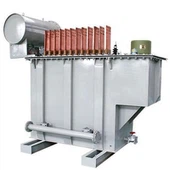
Adjustment of the transformer tap can change the output voltage of the transformer and thus affect the power factor of the load. Power factor is a parameter that expresses the efficiency with which electricity is utilized, and it represents the ratio of active power consumed by the load to the total power.
When the transformer tap adjustment makes the output voltage higher, the power factor of the load may decrease. This is due to the fact that the current of the load may increase, resulting in an increase in reactive power, while the increase in active power is relatively small. The increase in reactive power can lead to a reduction in the efficiency of the grid because reactive power is not directly converted into useful operating energy, but instead generates heat and losses in the grid.
On the contrary, when the transformer tap adjustment makes the output voltage lower, the power factor of the load may increase. This is because the current to the load may be reduced, resulting in a reduction in reactive power and a relatively small reduction in active power. Improvement in power factor helps to increase the efficiency of the grid as more electrical energy is converted into useful working energy rather than being lost as reactive power.
Therefore, when using a transformer, the appropriate tap position should be selected according to the characteristics and requirements of the load in order to optimize the power factor and improve the efficiency of the grid and the use of electrical energy. It should be noted that tap adjustments should be made according to actual conditions and follow relevant safety guidelines and operating procedures.
Connect with us:
➡️ Email: keiko@yaweitransformer.com
➡️ whatsapp:+8615221863286
➡️ Website: https://www.yaweitransformer.com