

Transformers from quote request till decommissioning
Transformers are very important part of electrical system which ensure proper distribution of power It's important to know their life cycle for getting the best performance and longest life.
From when I got the initial quote request to decommissioning, every point matters This guide discusses all aspects of transformer's life cycle, and testing, repair and such things are mentioned.
Whether you are a technician or a maintenance manager, it is worth your while to read and learn. How to make good decisions on transformer buying and maintenance.
Join us in the intricate journey of our transformer from beginning to end.
Transformer Life-cycle understanding: An Overview
Transformer Life Cycle is a full range of steps. And each section plays a part in both the use and the staying power of the thing. If you understand well, you can manage its lifecycle well too.
stages of life:
· Quotes Request and Specifying
· Design and Engineering
· Manufacturing and Assembly
· Quality Control and Testing
· Installation and Commissioning
· Operation, Maintenance, and Monitoring
· Repair and Upgrades
· Decommissioning and Environmental Considerations
Each step needs to be planned and done with care. Collaboration of manufacturer engineers &maint. teamwork is required. And also due to continuing advancements in transformer technology, this is improved as well, optimizing both performance as well as cost.
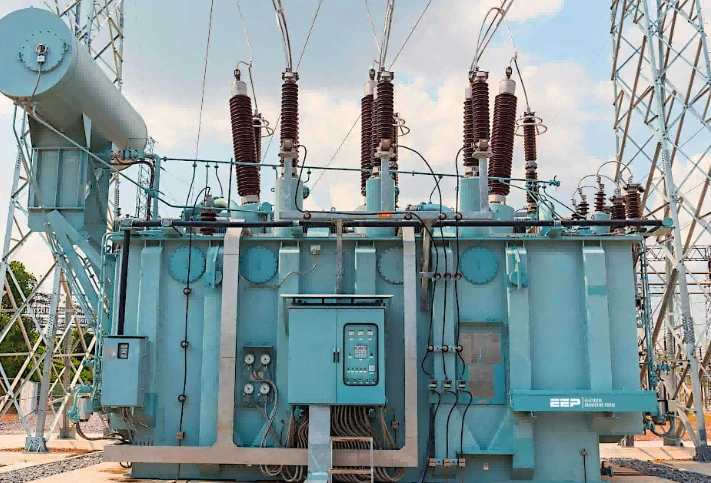
Step 1: Quote request & Specification gathering
The life starts with the quote request Here we list the critical requirements on the transformer. It's important to this step for a good plan of the project.
The third step is talking to the supplier. The detailed specifications must be explained so as to meet all my needs. Specifications may include:
· Voltage level, size of load:
· Cooling method
· Environmental conditions
·Physical dimensions/Installation space
To get correct specifications, so as to avoid the possibility of problems. It is the premise for success of a project. The appropriate recording at this point can make it more transparent and efficient through the entire process.
Step 2: Design and Engineering
Design and engineering are next to specification gathering. Engineers design detailed transformers at this point: These designs make sure the transformer can fit for operation.
The engineering process is done after careful calculations. Engineers think about all sorts of stuff like thermal, electrical, & mechanicsstress So, it's reliable in different operating conditions.
In this section it takes teamwork Engineer work with the client to finish the design. Important considerations include:
· Material selection for durability
· Cooling system for over-heating:
· Insulation techniques for safety
· Efficiency optimization
Good design cuts down on stuff that'll come up later. Improves efficiency and sets up for consistent production.
Step 3: Manufacturing and Assembly
Once everything was set, we started producing. This section consists of creating the main parts like windings and the magnetic core. The good technician does each one with care.
Quality is important in making things. Workers make fitting the pieces according to the design. This attention to detail stops things from going south and makes for lasting reliability.
Assembly takes all parts to form a group. It is a careful process that has skilled hands. Key assembly tasks include:
Winding place on the core
· Insulation layering for safety
·Tank assembled for housing parts
· Cooling system integration
these steps make sure the transformer is ready for hard testing.
Step 4: quality control, transformer testing
It is very important to control quality of transformers before they leave the factory. it makes sure the unit can do well in many situations. Testing thoroughly verifies every bit of the transformer's design and build.
Testing involves lots of important places: Electrical test to look for the efficiency and load capacity. mechanical tests check whether it can endure operation. Every test looks for all the problems right away, so things keep being safe and good.
In general, full-process tests mainly include:
· Dielectric test to check for insulation strength
· Tests to see if it can get rid of heat by heating up
· overload resilient short circuit tests
· noise test to confirm that it is quiet when working
These procedures guarantee top tier products according to exacting industry criteria.
Step 5: Installation and Commissioning
Install a Transformer, it needs care. The site should have safety and space to do it well. good foundation leads to success.
Commissioning comes after installation. Commissioning includes some important steps. Techs make final checks to see if the install fits the specs. Testing shows that the transformer can fit in the electrical system.
the most important work for this period is:
· Connect the wire and part together
· Ground it well to prevent electricity from hurting people
· Check mechanical stability and alignment
· Check safety system and alarm
Step 6: Operation, Maintenance, and Monitoring
In order for a transformer to last a long time, we should run it well. Routine maintenance is about spotting trouble before it gets bad. To check if she is reliable and lasting:
Monitoring is an important means of checking at an early stage Advanced tech can give live data. This lets us predict when to do maintenance. It can reduce unplanned outages and repair.
Key maintenance tasks include:
· Regular inspection of insulation and connections
· Trying the oil out for size and seeing if it gets cool
· monitor temp no overheating
· Review perfomalnce metrics for anomaly review
To have discipline over these actions so we can enjoy a longer transformer life time.
Step 7: Transformer Repair and Upgrades
The transformer maybe experience issues like damage to the insulator or leakage of the oil. Prompts repair doesn't have to get worse more. Little problems need to be corrected on time.
Upgrades improve its performance and efficiency. Can install advanced detection systems. And update it with new ones.
Normal repair and upgrade actions:
· Repairing damaged insulation
· Seal or change leaking gaskets
· Updated technology for a better way to keep an eye on
· Replace old parts for performance improvement
So such interventions also make it better for the transformer to work, which allows it to live longer.
Step 8: Decommissioning and Environmental Considerations
A transformer to be removed must be well thought out of this. Safety and environmental impact comes first. I will abide by the rules.
Have to be a way that good for the environment when dispose it. lots of things could be recycled proper handling cuts off risks to ecosystems and communities
Key decommissioning steps include:
· Disconnect and remove from system
· Transport to location:
· Safe handling of hazardous materials
· Dispose properly; recycle or dispose of parts responsibly.
The environmental measure is important here. They cut out waste and shield natural resources, which lines up with being environmentally friendly.
Conclusion: Transformer Lifecycle Value Maximization
How much longer a transformer lives for is important. Every step, going from quote request all the way to decommissioning, gives off chances to improve performance. proper management guarantee its life and work well.
Organizations can get the most from their transformers by putting effort into design,regular maintenance,and fixing things when they need to do so. Stress environmental responsibility when decommissioning for even more sustainable. This is an all around method to increase more than reliability and also lower long term costs.
FAQ
Q: 1. How soon can you delivery the transformer?
A: It depends on the quantity and capacity of the transformer, normally within one month since the date drawing confirmed by buyer.
Q: 2. How long can you provide the quality warranty?
A: 24 months since the date transformer operated.
Q: 3. What payment method do you accept?
A: T/T (wire transfer) preferred, L/C both accepted.


