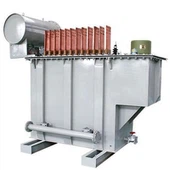
Why did the transformer explode?
Transformers are important parts of our electrical system. They are used to change voltage levels for better power distribution. But what if they blow up?
Transformer explosions can cause serious damage and present safety hazards. Knowing why these explosions happen is important. It helps to stop such things from happening and makes sure we stay safe. This paper discusses the causes of transformer explosions. We will talk about power transformers and padmount transformers. To learn what causes these dangerous events and how to avoid them.

What is a Transformer and Why Are They Important?
Transformer is a device for transferring electrical energy from one circuit to another through electromagnetic induction. They change voltage levels to fit different requirements.
Their primary function is with regards to power distribution. They make sure that electricity can travel well from power plants to houses.
Transformers lower high transmission voltage to safe, usable voltage. This helps reduce power loss over long distances.
They are very important in today's life. Without transformers, our electrical system will not be as efficient and will cost more.
Key functions include:
· Voltage conversion
· Power distribution efficiency
· Improving safety by reducing voltage levels

Common Types of Transformers: Power and Padmount
Power transformers are important parts of high-voltage transmission networks. They can deal with big power loads well.
Padmount transformer is different. They can be found in cities and suburbs and are small and closed off.

These transformers serve different purposes:
· Power Transformers: High Voltage, Large Capacity
· Padmount transformer: Low voltage, residential application. Each type has its own important part in giving out electricity. Their functions guarantee effective and safe power transmission. It's important to know them so we can keep our systems working well.
The Science Behind Transformer Explosions
Transformer explosions are caused by many different kinds of interactions. They are electrical and environmental.
Internally, electricity fault creates a sudden surge of energy. This causes too much heat to build up and too much pressure to increase.
From outside, physical harm or environmental elements might make things worse. Lightning strikes or other natural calamities.
Transformer that is made to control the voltage can also get unstable. Instability causes a dangerous accumulation of heat and pressure.
Explosions can be caused by several key factors such as:
· Electrical faults: short circuit, insulation failure
· Environmental factors: Lightning, moisture entry
· Overloading: Exceeding the transformer's capacity. Understanding these scientific principles helps us identify possible dangers. Early detection and intervention can prevent catastrophic failure.
Main Reasons for Transformer Explosion
There are many reasons why transformers can explode. It's important to understand them so we can stop it from happening.
Overheating and Overloading: They are common because there is too much load.
Electrical faults: Short circuit problems damage the transformer.
Insulation Failure: Insulation degrades over time, which causes problems.
Transformer Oil Problems: The oil degrades, making explosions more likely. Moisture Entry: Water can get in, reducing insulation efficiency.

Overheating and Overloading
Overheating may cause serious harm to the transformer. Too much current causes it to heat up. This leads to the breakdown of the insulation.
Transformers that are not designed for heavy loads will suffer easily. Overloading leads to great pressure on parts.
Prevention involves:
· Monitor loads to ensure that they do not exceed capacity.
· Make sure there are good ways to cool things down.
Electrical Faults and Insulation Failure
Electrical faults such as short circuits are dangerous. They produce surges that cause overheating and possible explosions.
Insulation is important for electrical safety. Over time or because of bad materials, it fails. Faulty insulation lets short circuits happen.
Mitigation strategies are as follows:
· Regular insulation check for integrity;
· Immediate repair on found fault.
Transformer Oil Issues and Moisture Ingress
Oil works as both a coolant and an insulator for the transformer. It degrades over time and becomes less effective. Bad oil makes problems happen faster.
Moisture makes it worse. Water mixes with oil, losing its insulating property.
Address these issues by:
· Oil quality test regularly.
·Sealing to prevent water entry.
Environmental and External Factors
External factors can take operators by surprise. Lightning strikes are a big worry. They create voltage surges. Flooding and high humidity also help. These things make transformers stressed out, which could lead to failure.
To tackle such issues:
· Install surge protectors to guard against voltage surges.
· Position transformers out of harm's way from flooding.
Manufacturing Defects and Aging Infrastructure
Some transformers fail because they have been made with faults. Manufacturing flaws can lead to premature failure. Older transformers also face similar risks due to their age. Components get weaker as time goes by, making explosions more likely.
To prevent:
· Use high-quality materials and standards when making things.
· Regularly upgrade or replace old equipment.
Case Studies: Real-World Transformer Explosions
Examining past transformer explosions gives us useful lessons. These case studies show some typical mistakes and prevention tips.
1.California, 2018: A power transformer exploded because of insulation failure and caused a large-scale power outage.

2. Houston, 2020: Overloading caused a huge explosion, destroying much of the nearby buildings.

Each incident had its own failure. But the common factor was that there were no proper maintenance practices. Knowing these cases gives us useful information on how to improve safety and reliability. These events show that we need good ways to take care of things and strong rules about safety so that nothing bad happens again.
The Impact of Transformer Explosions
Transformer explosions have far-reaching consequences. They cause a disruption of the power supply which results in extended outages and inconvenience.
Safety hazard appears, which endangers people around and the public. Financial loss increases because of the cost of repairing the damaged equipment.
The broader impact includes:
· Environmental damage caused by oil leaks
· Traffic jams caused by power outages
· Operational downtime affecting businesses, knowing the full extent of this problem makes it clear how important it is to take preventive action. These problems have to be addressed so we can keep a steady power system.
How to Prevent Transformer Explosions
To prevent transformer explosion, it needs to be done comprehensively. Regular maintenance keeps the parts working well and catches problems before they start.
Monitoring systems are important. Detect anomalies and intervene quickly so that small problems do not become big ones.
Adopting good practices for installation and grounding can reduce risk. Good practices will make sure that the electricity is stable and lower the chances of faults.
Surge protection devices can be used to protect against electrical surges, such as those caused by lightning. These devices protect transformers by restricting extra voltage.
To implement good strategies, we need to:
· Install advanced monitoring devices
· Schedule regular maintenance checks
Lastly, creating a safety and improvement-oriented culture helps with prevention. Train staff about safety procedures and emergency response.
Key training focuses include:
· Identify early warning signs
· Effectively respond to discovered faults By taking such preventive measures, we can improve the safety and lifespan of the transformer.
Best Practices for Transformer Maintenance and Safety
Transformer maintenance has some important steps. Set up a regular maintenance plan. It can prevent the problem from getting worse.
Training the staff is also important. Skilled people can spot early warning signals and do what's needed right away.
Constantly assessing the condition of transformers is necessary for safety. This includes:
· Regularly check the insulation and connections.
· Transformer oil monitoring
To check for signs of wear and aging, implementing these best practices will greatly improve the performance and safety of transformers. To make sure that all the parts work well so that they don't fail unexpectedly.

Innovations and Future Trends in Transformer Safety
New technologies are changing how we ensure transformer safety. These improvements help with watching over things and getting work done. And they also make them more dependable.
Smart grid technology has made great progress. It allows for remote monitoring and gives real-time information about the condition of transformers.
Innovative trends include:
· Artificial Intelligence for Predictive Maintenance
· Development of biodegradable transformer oils
· Digital twin used for test and plan.
These trends suggest a safer, greener tomorrow for electrical infrastructure. They emphasize a forward-looking method for handling transformer safety.
Conclusion: Building a Safer Electrical Future
Transformer safety is important in today's world. Being proactive with regards to maintenance and technology.
To understand why transformers explode so that we can prevent it from happening. Awareness and continuous improvement is necessary, by investing in innovation and best practice we create a safer electrical future. Working together across industries improves safety and reliability for all.