

Substation transformers are some of the most vital pieces of equipment in our electricity network. They do the heavy lifting that lets us move power efficiently from big generation plants all the way to our homes, offices, and factories. Honestly, without them, sending electricity over long distances would be a total nightmare - way too inefficient and costly.
(Click the image to know more.)
So, What Is a Substation Transformer?
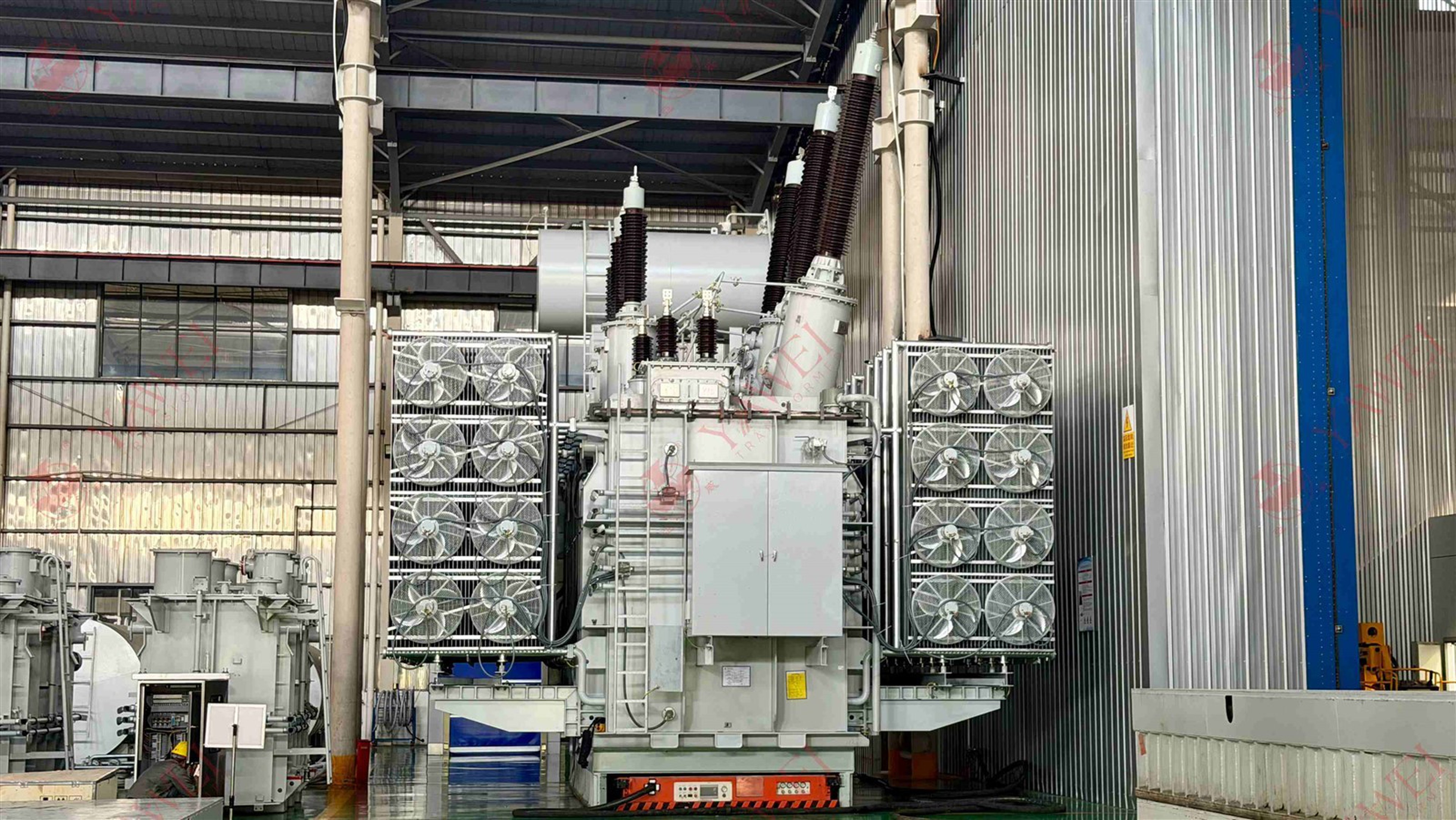
In simple terms, it's a massive, tough-as-nails electrical device that either steps voltage up or down, depending on what the grid needs at that point. You'll usually spot them in outdoor substations behind fences. They look pretty industrial - big metal tanks, radiator fins all around, and those tall ceramic bushings poking out the top.
These things come in a huge range of sizes, handling anywhere from a few MVA up to hundreds of MVA, and voltages from medium levels like 11 kV right up to extra-high voltage systems.
How Do They Actually Work?
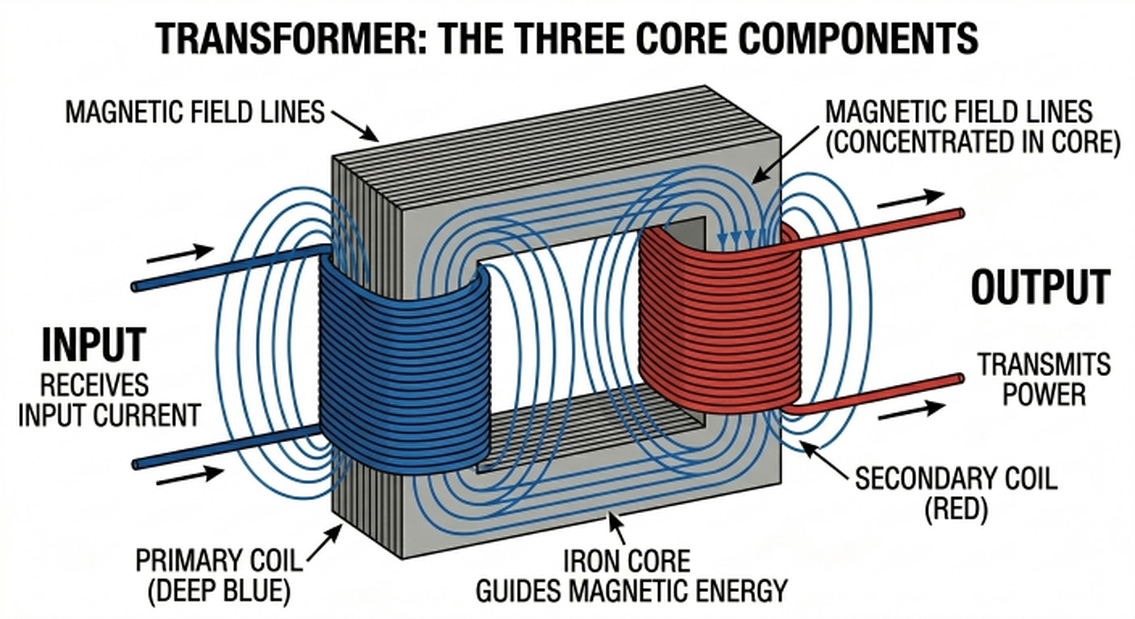
The principle is classic electromagnetic induction. Current flows through the primary winding, creates a changing magnetic field in the core, and that induces a voltage in the secondary winding. By playing with the number of turns in each set of windings, you can raise or lower the voltage as needed.
In practice, they're filled with special insulating oil that cools everything down and prevents electrical arcing. The heat gets pushed out through those big radiator panels - sometimes with fans or pumps kicking in to help when the load gets heavy.
Different Types You'll Run Into
Step-up transformers boost the voltage right after power is generated so it can travel long distances with minimal losses.
Step-down transformers do the opposite - they bring the high transmission voltages down to safer levels for everyday use.
There are also big power transformers versus smaller distribution ones.
Most serious substation units use copper windings for better efficiency, though aluminum sometimes gets used when keeping costs or weight down matters more.
You'll mostly see oil-immersed ones, but dry-type and eco-friendly fluid versions are becoming more common.
The Important Bits Inside
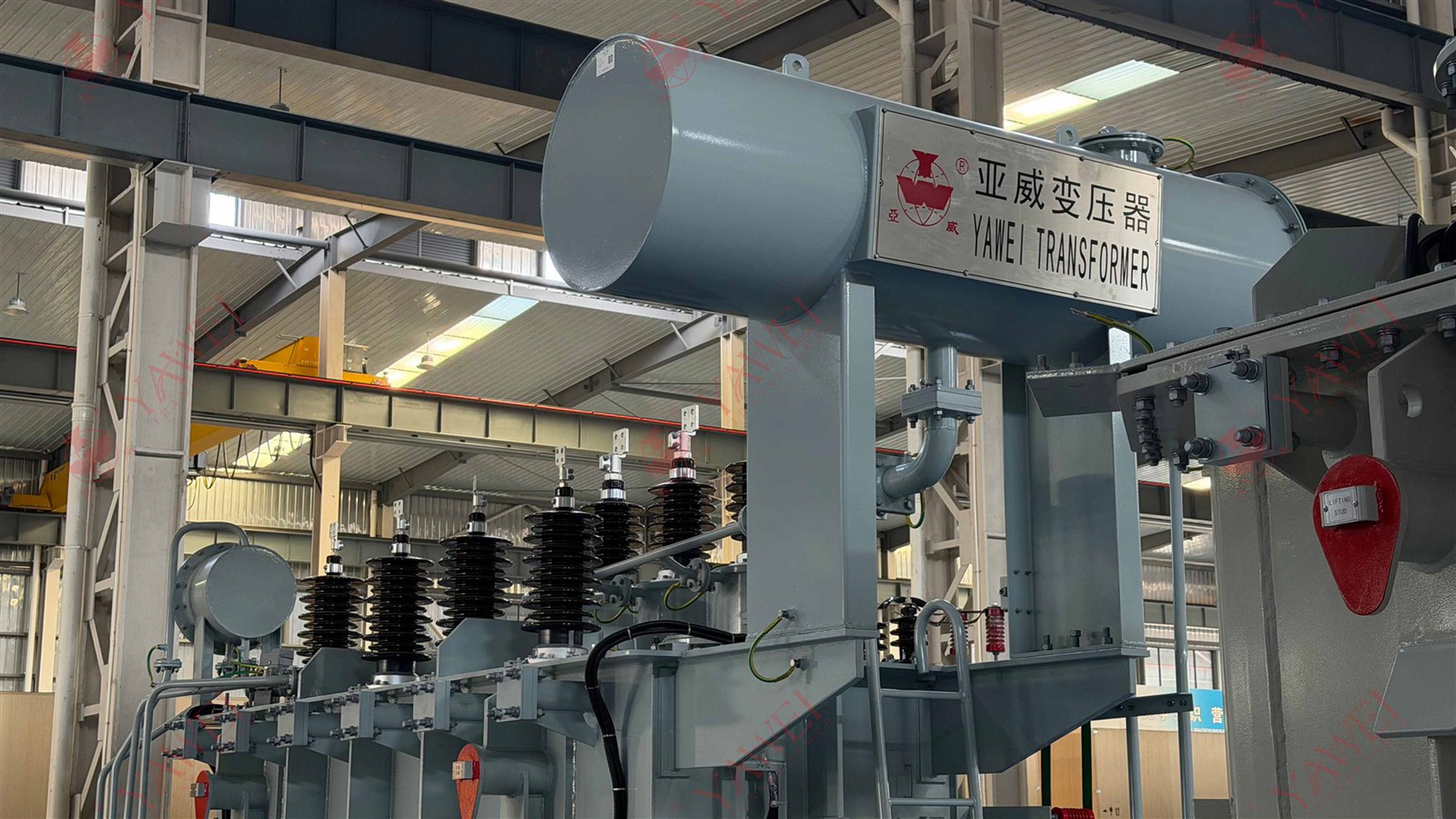
The heart of it is a high-grade silicon steel core wrapped with carefully insulated windings. The oil is a big deal - utilities test it regularly because any contamination can lead to serious problems.
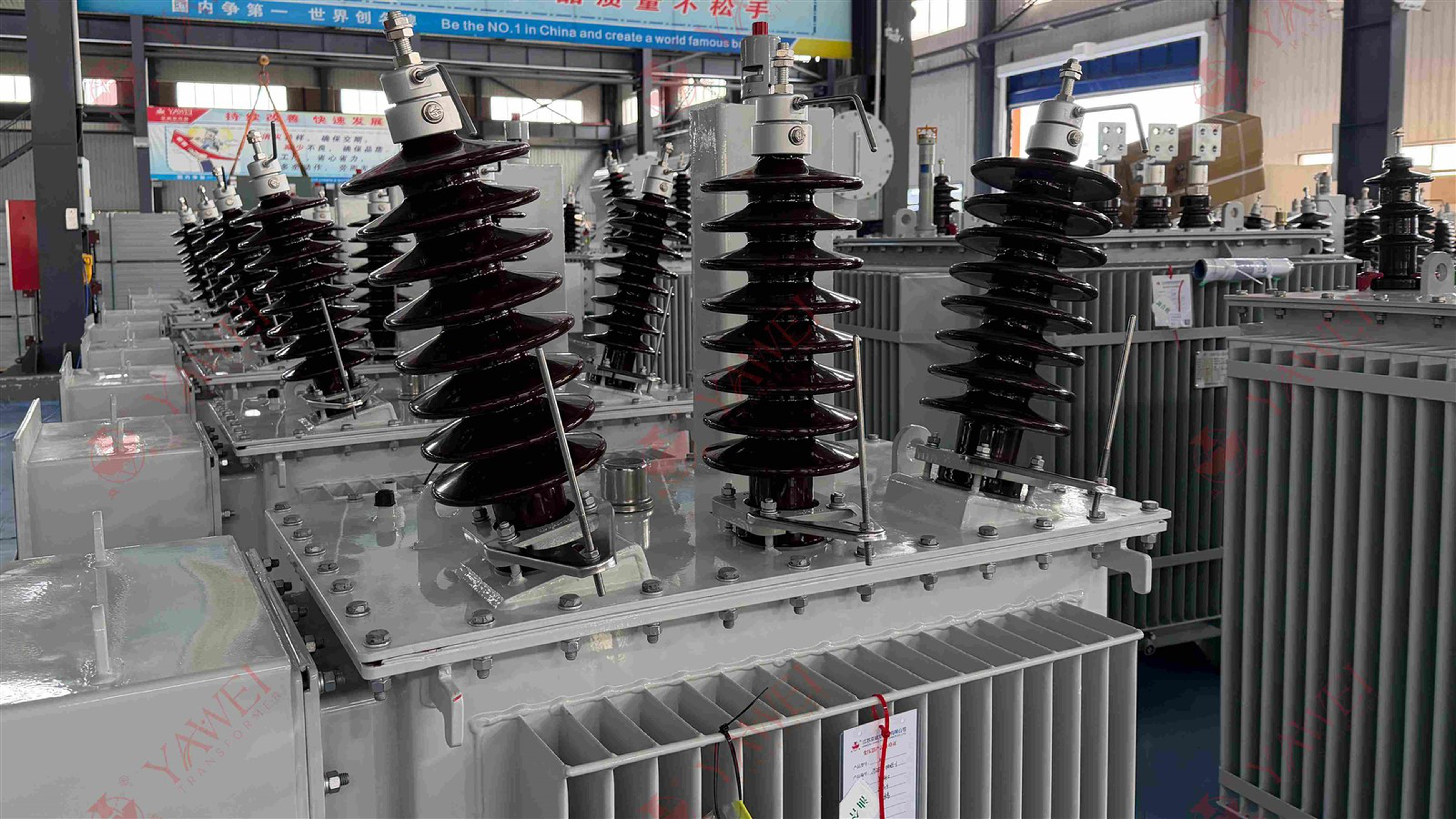
Other key components include:
Those chunky bushings that let high-voltage cables safely enter and exit the tank
On-load tap changers that tweak the voltage while the transformer is still running
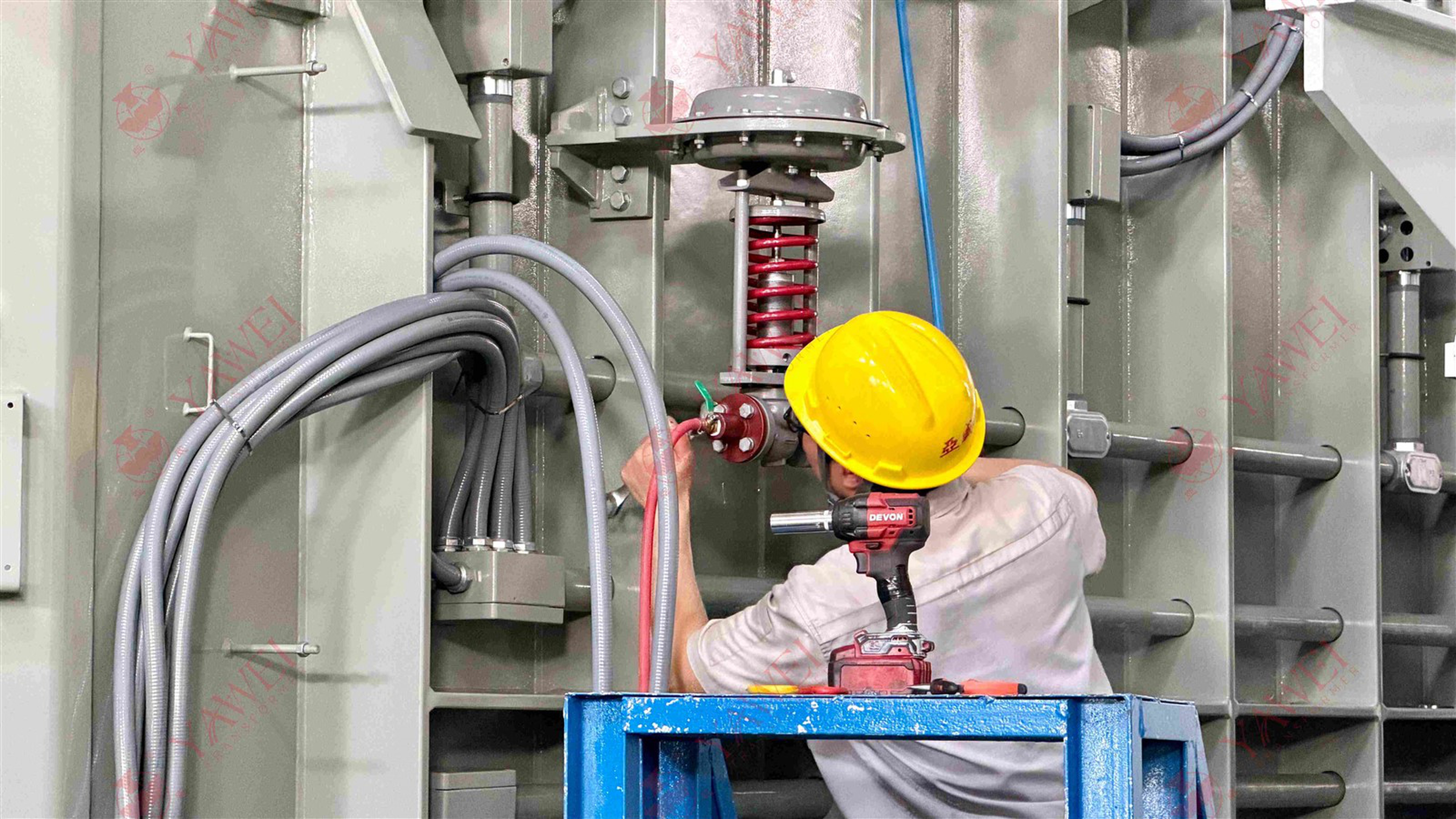
Various protection systems like temperature monitors, pressure valves, and the Buchholz relay that can spot internal faults early
Why They're So Important
Think of them as the translators of the power world. They make sure electricity generated at one voltage can travel hundreds of kilometers efficiently and then get delivered safely at the right level for customers. They also help keep the grid stable, especially now with more solar, wind, and electric vehicles coming online.
Looking After Them
A well-maintained substation transformer can easily last 40 or 50 years. That means routine oil checks, dissolved gas analysis, thermal imaging, and electrical testing.
These days, a lot of utilities are adding smart sensors and data analytics so they can catch issues before they turn into major headaches. Because when one of these fails, it's not just annoying - it can cut power for thousands of people.
What the Future Holds
The technology is moving forward. We're seeing more efficient designs, greener insulating fluids, and "smart" transformers that can monitor themselves and adjust automatically. There's also growing excitement around solid-state transformers that are smaller, more flexible, and great for modern two-way power flows.
Final Thoughts
Next time you drive by a substation and see those big gray boxes humming away, give them a little mental nod. They're not glamorous, but they're doing some of the toughest, most essential work in our modern society. As our hunger for electricity keeps growing, these reliable workhorses will keep evolving along with the grid.
They really are the unsung backbone of pretty much everything we plug in.


