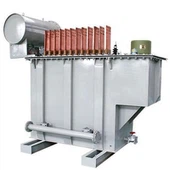
Handling Damaged Transformer During War
Power transformers are part of the power grid. They change the voltage of the electricity running through the grid to make it good for homes and businesses. Transformer is ruined, so the whole line of power is spoiled in supply. This puts it as being key to deal with transformer hurt right and well.
Importance of power transformers
Power transformers move electrical energy back and forth between circuits through the use of electromagnetic energy. And they are mostly made by wind 2- more winding over the magnetizer body: When electricity goes through the primary coil, it makes a magnet field that pushes a voltage in the secondary coil. That changes the amount of power that's there. This conversion is necessary to transmit electricity over great disances and to make it acceptable to the consumer.
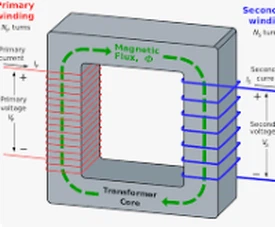
click to know how does transformer work
Power transformers are irreplaceable for the power grid. They make it possible for electricity from power stations to be transmitted efficiently to consumers through stepping-up voltage for transmission and stepping-down voltage for distribution. It can also help us save lots and lots of energy, so we will have great energy to supply our houses, offices, and even the big important buildings like the hospitals and the emergency places.
When a transformer is damaged, damage will affect in general. it results in blackouts that can knock out crucial services, shut down industrial operations completely, and leave individuals receiving care in hospitals without electricity even when a little bit would be necessary to sustain their lives. Financial hit is also tremendous, the repair and replacement costs millions that affect the economy of the area.
how much are the power transformers destoryed?
The first thing on how to fix a broken transformer is to know how much is it destroyed .It's through physically inspecting the transformer to see how much it was damaged. Search for oil leakage, smoke, or abnormal noise indicating a faulty transformer.
When visually inspecting on the side of an experienced person, look at the outside of the transformer for any visual damage. Checking casing surface for cracks, dents, like this - the internal damage shows on the outside see if the bushings have any cracks and check for any oil leaking as this is an indication of a crack in the transformer insulator.
Broken transformers not only have broken visual signs, but also make strange buzzing sound, humming sound, and popping sound as the transformer has been opened. These noises could be signi?cant? arcing or with windings? Like the smell of burning insulation or burning oil - this means something is wrong within, something has become too hot, and this is something which must be fixed now.
With some new technologies like thermal imaging cameras, or high-resolution cameras on a drone, we can get an idea of transformer damage. Thermal Imaging can identify Hot Spots which show where areas are overheating, Drones give a safe and complete view of hard to reach places so a good look without risking people.
tips for fixing the damaged transformers
Safety is number one when fixing damaged electrical equipment. Do not let anyone get close to the transformer who might get shocked or hurt. it needs some trained people to do it. They can check out the site and take safety precautions if they need to avoid accidents.
As soon as damage is suspected or determined, it's important to cordon off the immediate area around the transformer. It makes sure that people who aren't supposed to go there don't enter a dangerous place. Using barriers and warning signs, demarcate the perimeter clearly; let only those who have training access it.
Before any inspection or repair work begins, if it's safe to do so, disconnect the power to the damaged transformer. This way we won't be shocked nor be damaged further. "Just competent people do this work, observing prescribed safety rules, preventing an accident.
When it comes to a bad transformer, that's a specialty, you need a specialty tool. Talk to people who know about high voltage machines and can do it safely. Wear proper PPE, use insulating tools to prevent risk when checking and repairing.
Once it is determined that there is damage on the transformer. you should immediately inform relevant authorities. Local utility firms and governments that have infrastructure and emergency response capabilities. Timely communication is required to make sure that the matter is placed on high priority, and also to get resources to repair or replace it.
Effective communication is important for a joint response. Communications lines were cleared up with utility, local government groups, emergency response group. make sure it is updated and available so that when damage happens with a transformer you can act fast and use resources immediately.
Damage to any Transformers can make repair faster. Authorities need accurate, fast information for good resource allocation. Furthermore, Early notification can also allow for managing public expectation and coordinating alternative power solutions while repairs are being made.
Documentation and photographs
Documentation of the damage must be accurate. Take photos and write detailed reports about the condition of the transformer. This info will be needed for insurance claims & so that govt can know how bad it is & plan repairs.

PHOTOGRAPHS are pictures that show damage which is good for getting money from insurance or for looking at how something was fixed. Shoot it from different angles like close-ups of the damage and the broader picture. Then this kind of a total view can be recorded as what the actual amount of damage and make a plan for the necessary repairs.
Concerning the photographs, the written report is equally important. Document the time and date the incident occurred, if it was raining and the weather at the time of the inspection and any notes on observations. Include descriptions of the damage, potential causes, and any immediate actions taken. This information is very helpful to the authorities and insurance companies when dealing with claims and planning to repair.
Organize all documents properly and make it accessible to those who need it. Digital platforms to share info with authorities, utility companies, insurance companies etc. Data is securely stored and managed so that everyone can get what they need quickly in order to make good choices.
temporary measures
In some cases temporary measures can be put in to get power till we find permanent solution. It might use portable generators or reroute power from elsewhere on the grid. These temporary things can hold back a few services until the transformer is all right again.
Portable generators can give quick power to important buildings like hospitals and the fire department. We can get these generators deployed fast, hooked up to vital parts of the system, so that those services keep working even as we get the permanent fixes sorted out.
Rerouting power from other parts of the grid can be a short term solution Utility businesses could alter the distribution network to bypass the damaged transformer and steer electricity from less affected areas for power maintenance. That means careful planning and coordinating so that the power that reroutes to the right places, meets when it needs to meet demand, does not overload the capacity of the power grid system.
Carry out load management strategies so that there is a balance between electricity demand and supply when the power goes off. This means power will be given first to essential services and power cuts will be scheduled for non essential areas. The good load management conserves resources and makes sure that the critical infrastructure continues to function throughout the full repairs.
Transformer must be repaired once damaged requires special skills and equipment Depending on the damage, it may be possible to repair the transformer on-site. But if its bad enough, you might have to completely replace the transformer. This needs to be made by people with experience handling power transformers.(www.yaweitransformer.com)
On –sight repairs are possible and cost –effective when possible. Maybe have some damaged bits replaced, fix some windings or tackle any insulation problems. Skilled workers with the proper tools and safety gear can do these repairs. This will bring the transformer back into working order without needing a new one.
For extensive damage replacement of the transformer might be your only option. Examining replacement demand is looking at how much it costs, takes time, or if it's possible to repair something instead of replacing it. Profs should put in the transformer's age, it's replacement availability and justness in getting back to total power.
Sourcing a replacement transformer is about working with manufacturers and suppliers to get the correct model. And this process could be sped up through building connections with suppliers and having a supply of extra parts on hand. timely procurement guarantees that replacement transformers will be available when they are needed, thereby reducing downtime.

international assistance
At war times, things could be tough at home and we need international assistance: The organizations focused on repairing infrastructure and helping out with the help of humanity can help make sure that the power gets back up. Reach out to these groups so repair work can go faster and make sure the community gets the help it needs.
International aid often takes different forms like finance, technical assistance or manpower. Organizations like Red Cross, UN, etc and many other NGOs can provide us skilled labour and also the resources to repair and replace infrastructure damaged in flood. They will strongly support local work.
It requires that local authorities coordinate with international aid organizations and utilities when repairing and recovering. Regular communication and collaboration can make operations go more smoothly and result in quicker power restoration.
To make up a system which is easy for everybody to understand, so that we know who is to do what. It needs to lay out communication protocols,allocation procedures for resources,and decision-making procedures: Have regular meetings and updates so that everyone is always informed and on the same page.
International aid orgs usually have access to better tech and expertise than locals. Using these resources well requires working together and planning. Local authorities should identify deficiencies in their capacity and request goal-oriented support to fill the gaps, so as to provide an all-encompassing and adequate answer.
Monitoring and assessing the course of the repairs have been meaningful for guaranteeing responsibilities and progress. Regular assessments would show us the problems that we have and the part that we could do better so we would be able to change our strategy right away. Let it open, always evaluating ourselves that we are using our resources right.
ways we can try to protect transformers
As hard as it may be to stop all damage in the wartime, there are still ways we can try to protect transformers and any other electronics by making the risk lower.
It is needed to put money into infrastructure that can take the brunt of battles. It means using things and making things that are less likely to get hurt and doing things like building walls or stronger homes around really important parts.
And the transformers and other infrastructure components use impact resists composite, stronger steels makes them strong. They can avoid being affected by and influenced by the outside world, in disputes.
To design something to be resilient means to think about dangers and add things for safety. As for transformers, it could be having modular designs so repairs and replacements are easy and also having surge protection devices to defend from electrical faults.
Protective barriers like blast walls or fortified enclosures can guard transformers from physical damage. They can be made to take the hits or deflect them so as not to be hit. Place up obstacles so as to make sure both the surrounding infrastructure damage stays far from occurring.
Preparation of the emergency program makes when an infrastructure is broken and the emergency program has a track for its action. This plan should include assessing protocols, author authorities, provide temporary solutions to maintain power.
Comprehensive protocols give information on the process of transformer damage. all from the very first assessment and safety precautions all the way through communication strategies and repair methods clear detailed protocols lead to coordination & efficiency.
People can be given training and drills for emergencies through training and drills. These exercizes can make like all kinds of situations, teams would practice on how their responses and learn where improvement is necessary on. Well-trained people will respond better and more safely when the emergency happens for real.
Get your neighbors on board with emergency preparedness. So we all get better. Public awareness campaigns will let residents know what to do if there is a power outage and how to help the local efforts, people who have knowledge about a disruption do a better job at adapting to it and helping with restoration.
The broken transformer during the war is very difficult to deal with. But if we do it, it's actually pretty good handling. Learning how to go about doing things, like fixing damage and repairing places, can help community people make a plan for giving power back so everybody stays safe and healthy at home. Power transformers, being very important for our everyday lives, so quickly dealing with transformers damage during conflict is also very important work. Through working together, planning, and combining international aid in order to solve the problems caused by transformer damage, we can guarantee that services continue to work even through the toughest times.
FAQ
Q: 1. How soon can you delivery the transformer?
A: It depends on the quantity and capacity of the transformer, normally within one month since the date drawing confirmed by buyer.
Q: 2. How long can you provide the quality warranty?
A: 24 months since the date transformer operated.
Q: 3. What payment method do you accept?
A: T/T (wire transfer) preferred, L/C both accepted.