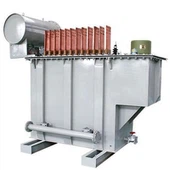
Q: 1.What are the 3 types of transformers?
A: Transformers, which are critical components in electrical power systems, come in various types depending on their design, function, and application. Power Transformers: Function: Used primarily in electrical power transmission networks to step-up (increase) or step-down (decrease) voltage levels. Characteristics: They are generally large, have high power ratings, and are designed for continuous operation at high efficiency. Location: Commonly found in power generation stations and at key points in transmission networks. Distribution Transformers: Function: Used to step down the voltage for electricity distribution to homes, businesses, and other end users. Characteristics: They are smaller than power transformers and are designed to provide the final voltage transformation in the electric power distribution system. Location: Typically found on utility poles, in underground vaults, or in small substations in residential or commercial areas. Instrument Transformers: Subtypes: Includes Current Transformers (CTs) and Potential Transformers (PTs) or Voltage Transformers (VTs). Function: Used for measurement and protective relay functions in electrical networks. Current Transformers (CTs): Designed to provide a current in its secondary coil proportional to the current flowing in its primary coil. They are used for measuring large currents and for protection relaying in high voltage circuits. Potential Transformers (PTs) or Voltage Transformers (VTs): Provide a scaled-down voltage that is proportional to the voltage in the circuit they are connected to, facilitating safe measurement and monitoring. Each type of transformer serves a specific role in the electrical power system, with power transformers being integral for long-distance transmission, distribution transformers essential for local power delivery, and instrument transformers critical for accurate measurement and system protection.
Q: 2.How does a pole transformer work?
A: A pole transformer, commonly seen on utility poles in residential and commercial areas, is a type of distribution transformer that steps down the high voltage from the electrical grid to a lower voltage suitable for use in homes and businesses. High Voltage Input: The transformer receives high-voltage electricity from power lines. This voltage is typically in the range of thousands of volts (for example, 7,200 volts), which is too high for direct use in homes or businesses. Step-Down Transformer: The pole transformer is essentially a step-down transformer. It has two sets of coils or windings – primary and secondary – wound around a magnetic core. The primary winding is connected to the high-voltage power line, and the secondary winding is connected to the local distribution network. Voltage Reduction: The transformer operates on the principle of electromagnetic induction. The high voltage in the primary winding creates a magnetic field in the core, which then induces a lower voltage in the secondary winding. The ratio of the number of turns in the primary coil to the number of turns in the secondary coil determines the amount of voltage reduction. Energy Transfer: The energy is transferred from the primary winding to the secondary winding through the magnetic field, without a direct electrical connection between the two. This reduces the high input voltage to a lower output voltage. Low Voltage Output: The output voltage is reduced to a level suitable for domestic use, typically around 120/240 volts in North America or 230/400 volts in many other countries. This lower voltage is then distributed to homes and businesses through the local electrical grid. Safety and Insulation: The transformer is designed with safety features, including insulation and grounding, to protect against electrical hazards. Additionally, pole transformers are usually equipped with fuses or circuit breakers to prevent damage in case of overloads or faults. Pole transformers are essential in the distribution network, enabling the safe and efficient delivery of electricity to end-users. They are designed to be robust and reliable, often withstanding various environmental conditions while providing continuous service.
Q: 3.How many houses can a 50 kVA transformer supply?
A: The number of houses a 50 kVA (kilovolt-amperes) transformer can supply depends on several factors, including the average electricity consumption per house, the peak load of each house, and the overall load balance. However, a rough estimate can be made with some general assumptions. Average Household Electricity Consumption: This varies greatly by region, type of dwelling, and lifestyle. In the U.S., for example, the average household consumption is about 877 kWh per month, or roughly 1.2 kW continuous load. However, this number can be significantly lower in other countries or in energy-efficient homes. Transformer Capacity: A 50 kVA transformer can supply 50 kW under ideal conditions (assuming a power factor of 1, which is a simplification as actual power factors may be lower). Peak vs. Average Load: Not all houses draw their maximum load simultaneously. Typically, residential loads are diversified, meaning that the peak loads occur at different times. With these points in mind, let's do a rough calculation assuming an average continuous load of 1.2 kW per household: The transformer's total capacity is 50 kVA (or approximately 50 kW for simplicity). Dividing this capacity by the average load per house gives an estimate of the number of houses it can supply: This calculation provides a basic estimate, but actual numbers can vary. For more precise planning, factors like peak demand, local regulations, and safety margins should be considered. Additionally, in practice, utilities tend to plan for a lower load per transformer to ensure reliability and account for future increases in electricity demand.
Q: 4.Are pole-mounted transformers oil filled?
A: Yes, many pole-mounted transformers are oil-filled. The oil serves several important functions in these transformers: Insulation: The oil provides electrical insulation. It surrounds the internal components, such as windings and core, preventing electrical discharges and arcs within the transformer. Cooling: The oil also acts as a coolant. It absorbs the heat generated by the transformer during operation and helps in dissipating this heat. This is crucial for maintaining the transformer's temperature within safe operating limits. Protection: By filling the transformer casing, the oil protects the internal components from moisture, dust, and other contaminants that could affect the transformer's performance and lifespan. The type of oil used in transformers is a specialized insulating oil, typically a mineral oil, that is carefully refined to maintain its insulating properties and thermal stability. In recent years, there has been a move towards using biodegradable and less environmentally harmful oils, especially in transformers located in sensitive areas. These oil-filled transformers are designed with seals and protective measures to prevent oil leaks and are subject to regulations and regular maintenance to ensure their safe operation. In case of leaks or other issues, they require prompt attention to avoid environmental damage and operational hazards.
Q: 5.What is the maximum capacity of pole-mounted transformer?
A: The maximum capacity of pole-mounted transformers can vary, but they typically range up to about 500 kVA (kilovolt-amperes). The most common sizes for residential areas are in the range of 25 kVA to 100 kVA. Larger capacities, such as 250 kVA to 500 kVA, might be used in areas with higher load demands, like commercial zones or densely populated residential areas. The capacity of a pole-mounted transformer is chosen based on several factors: Electrical Load Demand: The total electrical load of the area it serves, which includes residential homes, commercial buildings, street lighting, etc. Peak Load Considerations: The maximum load that might be expected at any one time. Utilities often use load factor and diversity factor calculations to estimate this. Future Growth: Anticipated increases in demand due to area development or population growth. Physical Size and Weight Constraints: Pole-mounted transformers must be physically supported by utility poles, so there's a practical limit to their size and weight. Safety and Efficiency: Larger transformers may be more efficient in terms of losses but have to be balanced against the cost and practicality of installation and maintenance. While 500 kVA could be considered a rough upper limit for pole-mounted transformers, the specific maximum capacity will depend on the manufacturer's design and the utility company's requirements and standards. For loads requiring more than what a single pole-mounted transformer can handle, multiple transformers may be used, or the installation might shift to a ground-mounted or substation solution.
Q: 6.How many houses can a 100 kVA transformer supply?
A: The number of houses a 100 kVA transformer can supply depends on several factors, such as the average electricity consumption per house, peak demand, and load diversity. However, we can provide a general estimate based on average values. Let's assume: Average Electricity Consumption: This can vary significantly based on location, type of housing, and lifestyle. For instance, in the United States, the average household electricity consumption is about 877 kWh per month or roughly 1.2 kW as a continuous load. However, this figure might be lower in other regions or in energy-efficient homes. Transformer Capacity: The transformer's capacity is 100 kVA. Assuming a power factor of 1 for simplicity (real-world power factors are usually less than 1), this translates to 100 kW. Peak vs. Average Load: Residential electricity usage is not constant; it peaks during certain times of the day. Therefore, the transformer does not need to be sized for the sum of the maximum possible demand of all homes it supplies. Using the assumption of 1.2 kW average continuous load per household: Let's calculate this. A 100 kVA transformer can supply approximately 83 houses, assuming an average continuous load of 1.2 kW per household. It's important to note that this is a simplified estimation. The actual number can vary based on factors like peak demand, energy efficiency of the homes, local climate (affecting heating and cooling requirements), and the specific electrical appliances used. Additionally, utilities usually design their systems with a margin to ensure reliability and accommodate future increases in demand.
Q: 7.How much does a power pole transformer cost?
A: The cost of a power pole transformer can vary widely based on several factors, such as its capacity (kVA rating), type (single-phase or three-phase), manufacturer, and any specific features or requirements. Capacity: The transformer's kVA rating is a significant determinant of its cost. Higher capacity transformers are more expensive. For example, a small transformer (like a 25 kVA or 50 kVA) used in residential areas will cost less than larger transformers used for commercial or industrial purposes. Type: Single-phase transformers are generally cheaper than three-phase transformers. The choice between them depends on the application and the nature of the electrical load. Features and Specifications: Additional features like tamper-resistant enclosures, oil containment systems, and smart monitoring capabilities can add to the cost. Manufacturer and Quality: Brand and quality also affect the price. Renowned manufacturers might charge more, but their transformers often offer better reliability and lifespan. Installation and Accessories: The total cost should also account for installation, which can include poles, wiring, protection devices, and labor. The cost of transportation and any necessary environmental compliance measures (like oil containment systems for oil-filled transformers) should also be considered. As of my last update in April 2023, the price range for a power pole transformer could vary from a few thousand dollars for smaller capacity models to tens of thousands for larger, more feature-rich models. However, these prices can fluctuate based on market conditions, materials costs, and specific customer requirements. For the most accurate and current pricing, it's recommended to get quotes from several manufacturers or suppliers and to consider the total cost of ownership, which includes not only the initial purchase price but also installation, maintenance, and expected lifespan.
Q: 8.How do you know if a pole transformer is bad?
A: Identifying a faulty or failing pole transformer involves observing certain signs and symptoms. However, it's important to remember that any inspection or maintenance work should be done by qualified professionals due to the high risk associated with electrical equipment. Unusual Noises: A humming sound is normal for transformers, but loud buzzing, crackling, or sizzling noises can indicate a problem. Oil Leaks: For oil-filled transformers, any sign of oil leaks around the transformer is a concern. Leaking oil can lead to a failure of insulation and cooling. Overheating: Excessive heat or hotspots on the transformer's casing can indicate an internal issue. While transformers normally generate heat, excessive heat may signal overloading, insulation failure, or other internal problems. Burnt Odor: A burning smell or visible smoke is a clear sign of an overheating issue or an electrical fault inside the transformer. Physical Damage: Signs of physical damage like dents, cracks, or rust can compromise the transformer's integrity and performance. Power Fluctuations: If the transformer is failing, it may cause fluctuations in the electrical supply, such as flickering lights or intermittent power outages. Tripped Circuit Breakers or Blown Fuses: Frequent tripping of circuit breakers or blown fuses in the connected circuit can be a sign that the transformer is malfunctioning. Visible Arcing or Sparks: Any visible arcing or sparking around the transformer is a serious issue and needs immediate attention. Corrosion: Corrosion on any part of the transformer, especially on connections, can lead to failures. Age: Older transformers are more prone to failure. Knowing the age and service history can provide insight into the likelihood of failure. If you suspect a pole transformer is bad, do not approach or attempt to inspect it yourself. Report your concerns to the local power company or utility provider. They have trained personnel equipped to safely assess and repair such equipment. Regular maintenance and inspections by professionals are key to ensuring the longevity and safety of pole transformers.
Q: 9.What is the purpose of a power pole transformer?
A: The purpose of a power pole transformer, commonly seen mounted on utility poles in residential and commercial areas, is to step down the high voltage electricity from the power grid to a lower voltage suitable for use in homes, businesses, and other buildings. Voltage Step-Down: The primary function of a pole transformer is to reduce the high voltage from the power lines to a more manageable level. For instance, it might step down the voltage from several thousand volts to 120/240 volts, which is the standard voltage for residential and commercial buildings in many countries. Electrical Isolation: Transformers provide electrical isolation between the high-voltage transmission lines and the low-voltage distribution lines. This isolation is crucial for safety and helps in controlling the power distribution system. Energy Efficiency: By stepping down the voltage at the point of use, pole transformers ensure that electricity is delivered efficiently. High voltage is used for transmission over long distances to minimize power loss, and stepping it down locally minimizes losses that would occur if high voltage were delivered directly to end users. Safety: Lowering the voltage to a safer level reduces the risk of electrical hazards. This is essential for residential areas, schools, businesses, and other populated locations. Facilitates Distribution: These transformers are a key component in the electrical distribution network, making it possible to distribute electricity to multiple homes and businesses from a single transformer, depending on its capacity. Adaptability: Different transformers can be used to accommodate different voltages and power needs, making the power distribution system adaptable to various requirements. In summary, power pole transformers are essential for adapting the high-voltage electricity transmitted over long distances to the lower-voltage electricity used in everyday settings. They are a critical link in the chain of electricity delivery, ensuring that power is safe, efficient, and reliable for end users.
Q: 10.What is the main purpose of pad mounted or pole mounted distribution transformers?
A: The main purpose of both pad-mounted and pole-mounted distribution transformers is to step down high-voltage electricity from the power grid to a lower voltage suitable for use in homes, businesses, and other end-user applications. Pad-Mounted Transformers Location: Installed on the ground, secured to a concrete pad. Design: Enclosed in a locked metal cabinet, they are typically larger and more powerful than pole-mounted transformers. Usage: Commonly used in suburban, urban, and industrial areas where a transformer needs to be less obtrusive and where there's not enough space for a pole. Safety and Aesthetics: The enclosure provides safety for the public and also a more aesthetically pleasing appearance. Access: Serviced from the ground level, making them easier to access for maintenance and repair than pole-mounted transformers. Pole-Mounted Transformers Location: Mounted on utility poles. Design: Smaller and contained in a metal tank, suspended above the ground. Usage: Frequently used in residential areas, rural settings, and where space is not a constraint. Elevation: Being elevated, they are less accessible to the public, which adds a measure of safety. Space-Saving: They are ideal where ground space is limited or in environments where a ground installation is not feasible. Common Features and Functions Voltage Transformation: Both types serve the essential function of voltage step-down – converting high-voltage electricity to a lower voltage for safe residential or commercial use. Electrical Isolation: They provide electrical isolation between the high-voltage transmission system and the low-voltage distribution system. Energy Efficiency: By reducing voltage near the point of use, these transformers help in minimizing energy losses associated with long-distance transmission. Safety and Reliability: Both types are designed to ensure safe and reliable distribution of electricity, conforming to various safety standards and regulations. In summary, while pad-mounted and pole-mounted transformers differ in their placement and physical design, their core function is the same: to safely and efficiently reduce high-voltage electricity from the transmission grid to a usable level for end users in a variety of settings.
Q: 11.How do transformers on poles work?
A: Transformers mounted on utility poles, commonly seen in residential and commercial areas, work by stepping down the high voltage electricity from the power grid to a lower voltage suitable for use in buildings and homes. High Voltage Input: The transformer is connected to high-voltage power lines. This voltage is typically much higher than what is safe or useful for direct use in homes or businesses. Electromagnetic Induction: The transformer operates on the principle of electromagnetic induction. It has two sets of coils or windings – the primary winding and the secondary winding – which are wound around a magnetic core. Step-Down Transformation: The primary winding is connected to the high-voltage power line, and the secondary winding is connected to the local distribution network. The number of turns in the primary coil is greater than in the secondary coil, which reduces the voltage from the primary side to the secondary side. Magnetic Flux: When electricity flows through the primary winding, it creates a magnetic field in the core. This magnetic field then induces a voltage in the secondary winding. The voltage induced in the secondary winding is proportional to the ratio of the number of turns in the primary winding to the number of turns in the secondary winding. Voltage Reduction: The transformer effectively reduces the high input voltage to a lower output voltage. For instance, it might step down the voltage from thousands of volts to 120/240 volts, which is the standard voltage for residential use in many countries. Energy Transfer: The energy is transferred from the primary winding to the secondary winding through the magnetic field, without a direct electrical connection between the two. Safety and Insulation: Transformers are designed with safety features, including insulation and grounding, to protect against electrical hazards. They are also usually enclosed in a protective casing. Distribution to End Users: The lower voltage electricity is then distributed to homes and businesses through the local electrical grid. Pole-mounted transformers are a key component in the distribution network, enabling the safe and efficient delivery of electricity to end-users. They are designed to be robust and reliable, often withstanding various environmental conditions while providing continuous service.
Q: 12.Are pole mounted transformers grounded?
A: Yes, pole-mounted transformers are grounded for safety and operational efficiency. Proper grounding is a crucial aspect of transformer design and installation for several reasons: Electrical Safety: Grounding helps to protect people from electric shock. In case of a fault, such as a short circuit within the transformer, grounding provides a low-resistance path for the fault current to flow to the earth, reducing the risk of electric shock to anyone near the transformer. Equipment Protection: Grounding helps protect the transformer and other electrical components from damage due to faults or lightning strikes. By providing a path for excess electricity to discharge into the ground, it prevents the buildup of dangerous voltages. Stable Voltage Levels: Grounding in electrical systems also helps to stabilize voltage levels, ensuring that the transformer operates effectively and efficiently. Minimizing Electrical Noise: A good ground helps minimize electrical noise in the system, which can interfere with the performance of sensitive electronic equipment. Regulatory Compliance: Electrical codes and standards in most regions require the grounding of pole-mounted transformers. These regulations ensure that installations meet the necessary safety criteria. The grounding system typically includes a grounding conductor (a wire that connects the transformer's case to a grounding rod or grid) and a grounding electrode (like a rod driven into the ground). The specific requirements for grounding can vary depending on local electrical codes, the design of the electrical system, and environmental factors. It's important to note that all work involving electrical installations, including grounding, should be done by qualified professionals due to the high risks involved.
Q: 13.How are pole transformers wired?
A: Pole transformers are wired to step down high-voltage electricity from power lines to a lower voltage suitable for residential or commercial use. The basic wiring of a pole transformer involves connections to the high-voltage power lines, the transformer itself, and the low-voltage distribution network. Here's a simplified overview: High-Voltage Line Connection: The transformer's primary winding is connected to the high-voltage power lines. These lines are typically at the top of the utility pole and are connected to one of the transformer's primary terminals. A grounding wire is usually connected from the high-voltage power line to the pole and then to the ground, providing a path for electrical faults and stabilizing the system. Transformer Primary Winding: The primary winding of the transformer is designed to handle the high input voltage from the power lines. This winding is where the voltage reduction process begins. Neutral and Grounding: The transformer is grounded for safety and to ensure proper operation. A neutral conductor is often connected to the transformer's grounding system. The neutral point of the primary winding is typically grounded. This grounding is also connected to a grounding rod driven into the earth. Transformer Secondary Winding: The secondary winding is where the voltage is stepped down. The number of turns in the secondary winding is less than in the primary winding, which reduces the voltage. The secondary winding has connections that lead to the secondary terminals of the transformer, which are then connected to the local distribution network. Low-Voltage Distribution: From the secondary terminals, the lower voltage electricity is distributed to homes and businesses. This is typically done through distribution lines that run along the utility poles and then branch off to individual buildings. The secondary side also includes a neutral line, which is grounded and often runs along with the power lines. Safety and Insulation: Transformers are equipped with various safety and insulation features to protect against electric shocks, short circuits, and other electrical hazards. Fuses and Protection Devices: Fuses or circuit breakers are used on both the primary and secondary sides to protect the transformer and the electrical network from overloads and faults. It's important to note that the actual wiring of a pole transformer can be more complex and varies based on the transformer's design, the electrical system requirements, and local regulations. The installation, maintenance, and servicing of pole transformers should always be performed by qualified electrical professionals.
Q: 14.What is protection for the pole-mounted transformer?
A: Protection for pole-mounted transformers is essential to ensure safe and reliable operation. Various protection mechanisms and devices are used to safeguard against faults, overloads, and other electrical hazards. Here are the key protection strategies: Fuses: Fuses are the most basic form of protection. They are designed to blow and disconnect the transformer from the power line in case of an overload or short-circuit. Circuit Breakers: Circuit breakers serve a similar purpose to fuses but can be reset. They automatically cut off the electric current if they detect a fault or overload. Surge Arresters: Surge arresters protect the transformer from voltage spikes and surges, often caused by lightning strikes or switching surges. They work by diverting the excess voltage to the ground. Grounding: Proper grounding is crucial for safety. It provides a path for fault currents and helps stabilize the voltage in the system. The transformer's case and the neutral of the transformer are typically grounded. Thermal Protection: Some transformers are equipped with thermal sensors or bi-metallic strips that trigger an alarm or disconnect the transformer in case of overheating. Oil-Level and Temperature Monitoring (for oil-filled transformers): These transformers might have gauges or sensors to monitor the oil level and temperature. Low oil levels or high temperatures can indicate potential problems. Pressure Relief Devices (for oil-filled transformers): In case of internal faults, pressure relief devices allow for the safe release of gases or oil, preventing a rupture or explosion. Overcurrent Protection: Overcurrent relays and devices protect the transformer from sustained overloads that could damage its windings. Buchholz Relay (for larger oil-filled transformers): A Buchholz relay is a gas-actuated protection device used in oil-immersed transformers. It detects the build-up of gases (a sign of an internal fault) and triggers an alarm or shuts down the transformer. Tamper-Resistant Features: Enclosures and locks prevent unauthorized access to the transformer, reducing the risk of vandalism or accidental contact with live parts. It's important to note that the specific protection requirements and devices for a pole-mounted transformer can vary based on its size, design, and the electrical system it's part of. Regular maintenance and inspections are also a critical part of a transformer's protection strategy, ensuring that all protective devices are functioning correctly.
Q: 15.Do transformers go bad over time?
A: Yes, transformers can go bad over time. Like any electrical equipment, transformers have a finite lifespan and can deteriorate due to various factors. Here are some reasons why transformers might go bad over time: Insulation Deterioration: The insulation in transformers, both the oil in oil-filled transformers and the solid insulation around the windings, can break down over time. This deterioration can be accelerated by factors like overheating, overloading, and exposure to oxygen and moisture. Thermal Aging: Transformers generate heat during operation. Repeated heating and cooling cycles can cause materials to age, particularly insulation materials, leading to reduced performance or failure. Electrical Stresses: High voltages and currents, as well as short circuits and electrical surges, can stress the transformer's components, leading to gradual degradation. Mechanical Wear: Transformers with moving parts, like tap changers, are subject to mechanical wear and tear. Corrosion and Environmental Factors: Corrosion due to environmental conditions like humidity, salt, and pollution can affect transformer components, particularly metal parts and connections. Oil Contamination: In oil-filled transformers, the oil can become contaminated with water, gas, or particulates over time, reducing its insulating and cooling properties. Harmonic Distortion: In modern electrical grids with non-linear loads (like those from electronic devices and variable frequency drives), harmonic currents can be induced in transformers, leading to additional heating and stress. Load Fluctuations: Frequent or sustained overloading can accelerate the aging process in transformers. Manufacturing Defects: Although less common due to strict quality control, manufacturing defects can sometimes lead to premature transformer failure. Lack of Maintenance: Inadequate maintenance can lead to a build-up of issues that shorten a transformer's lifespan. To maximize the lifespan and ensure the reliability of transformers, regular maintenance, monitoring, and testing are essential. This includes checking and maintaining insulation integrity, oil quality (in oil-filled transformers), and mechanical parts, as well as monitoring the transformer's load and temperature. When a transformer starts showing signs of significant deterioration, it's often more economical and safer to replace it rather than attempting extensive repairs.
Q: 16.When should a transformer be replaced?
A: A transformer should be replaced when it exhibits signs of significant deterioration, inefficiency, or when it no longer meets the required operational demands. Here are key indicators and situations when a transformer replacement is advisable: Age and End of Life: Transformers typically have a lifespan ranging from 25 to 40 years. Beyond this age, they are more prone to failures. If a transformer is approaching or has exceeded its expected lifespan, consider replacement. Frequent Failures and Repairs: If a transformer requires frequent repairs or is experiencing repeated failures, it may be more cost-effective and reliable to replace it rather than continuing with ongoing maintenance. Decreased Efficiency: Older transformers or those that have sustained damage may operate less efficiently, leading to higher energy losses and costs. Insulation Deterioration: The breakdown of electrical insulation within the transformer is a critical issue that can lead to failures. Advanced insulation testing can determine if the insulation integrity is compromised. Oil Analysis Results: For oil-filled transformers, regular oil testing is essential. If the oil analysis indicates significant deterioration or contamination that cannot be remedied with treatment, replacement might be necessary. Capacity Limitations: If the transformer can no longer handle the required load due to increased demand or changes in the system, a replacement with a more suitable capacity might be necessary. Physical Damage: Damage from external factors like natural disasters, accidents, or severe corrosion can warrant replacement, especially if the structural integrity is compromised. Regulatory Compliance: Newer transformers may offer better environmental safety, energy efficiency, and compliance with current regulations. Non-compliance with regulations may necessitate a replacement. Technological Advancements: Advances in transformer technology might render older models obsolete. Newer transformers might offer benefits like improved efficiency, reduced losses, better load management, and smart monitoring capabilities. Cost-Benefit Analysis: Sometimes, the cost of ongoing maintenance and the risk of potential downtime due to an old transformer might outweigh the investment in a new unit. It's important to conduct a thorough analysis of the transformer's condition, performance, maintenance history, and future reliability before deciding to replace it. Consulting with electrical engineers or specialists can provide valuable insights and recommendations.
Q: 17.How often should transformer oil be changed?
A: The frequency of changing transformer oil depends on several factors, including the type of transformer, its operating environment, usage patterns, and the results of regular oil analysis tests. There is no one-size-fits-all schedule, but here are some general guidelines: Regular Oil Analysis: Transformer oil should be regularly tested to assess its quality and condition. These tests can reveal information about moisture content, acidity, dielectric strength, and the presence of dissolved gases, which indicate various types of potential issues within the transformer. Typical Change Intervals: In the absence of any identified issues, transformer oil might typically be changed every 10 to 15 years. However, this is a very general guideline and can vary greatly. Condition-Based Maintenance: Many utilities and industries now follow a condition-based maintenance approach. In this approach, oil is changed not based on a fixed interval, but based on the results of oil analysis. If the analysis shows that the oil is still in good condition, it may not need to be changed. Signs for Immediate Change: If oil analysis reveals significant contamination, breakdown of chemical properties, excessive moisture, or other critical issues, the oil should be changed regardless of the last change date. Transformer Type and Use: The type of transformer (power, distribution, or specialty) and its operational load also affect how often the oil needs to be changed. Transformers under heavy or fluctuating loads, or those in harsh environments, may require more frequent oil changes. Manufacturer's Recommendations: Always consider the transformer manufacturer's guidelines. They provide recommendations based on the design and intended use of the transformer. Environmental Considerations: In some cases, regulatory or environmental considerations might dictate the frequency of oil changes or the type of oil used. It's important to note that transformer oil maintenance can also include filtration, degassing, and reconditioning instead of a complete change. These processes can extend the life of the oil and are often a more cost-effective solution compared to a full oil change. Regular monitoring and maintenance are key to ensuring the long-term health and efficiency of transformers.
Q: 18.What is the life expectancy of a current transformer?
A: The life expectancy of a current transformer (CT) varies based on several factors, including its quality, usage conditions, maintenance practices, and environmental factors. However, in general, current transformers can have a long service life, often aligning with the lifespan of the primary equipment to which they are connected. Here are some points to consider: Typical Lifespan: Current transformers can typically last for several decades. A well-manufactured and properly maintained CT can have a lifespan ranging from 20 to 40 years, sometimes even longer. Quality and Design: The lifespan of a CT greatly depends on the quality of its materials and construction. Higher quality transformers with robust designs tend to last longer. Operating Conditions: The environment in which a CT operates significantly affects its longevity. CTs in harsh conditions (extreme temperatures, high humidity, corrosive environments, etc.) may have a reduced lifespan. Electrical Load: The electrical load and the frequency of load fluctuations also impact the lifespan. CTs operating frequently at or near their maximum rated capacity, or those subject to frequent high short-circuit currents, may experience more wear and tear. Maintenance: Regular maintenance, including inspections, cleaning, and testing, can extend the life of a current transformer. Neglecting maintenance can lead to early failure. Installation Quality: Proper installation and commissioning are crucial. Faulty installation can lead to premature deterioration and failure. Upgrades and Technological Changes: Sometimes, CTs are replaced not because they have failed but because they have become technologically obsolete or no longer comply with updated standards and regulations. Manufacturer's Recommendations: Manufacturers often provide a recommended operational lifespan based on the design and intended use of the CT. Insulation Deterioration: For CTs, insulation aging is a critical factor. The condition of the insulation should be periodically assessed to ensure the CT's reliability and safety. In summary, while the lifespan of current transformers can vary, with proper selection, installation, and maintenance, they can provide reliable service for many years. Regular testing and monitoring are key to identifying potential issues early and extending the life of the CT.
Q: 19.Do electrical transformers wear out?
A: Yes, electrical transformers can wear out over time. Despite being designed for durability and a long operational lifespan, transformers are subject to various factors that can lead to wear and tear, and eventual deterioration. Here are the main reasons why transformers might wear out: Insulation Degradation: One of the primary reasons for transformer aging is the degradation of its insulation system. Both the solid insulation (around the windings) and liquid insulation (in oil-filled transformers) can deteriorate due to thermal aging, electrical stresses, and environmental factors. Thermal Stress: Transformers generate heat during operation. Fluctuations in load and ambient temperature can cause thermal cycling, leading to the expansion and contraction of materials, which over time can result in mechanical stresses and degradation. Electrical Stress: High voltages and currents, as well as transient events like surges and faults, can cause electrical stress, potentially leading to insulation breakdown or other internal damages. Mechanical Wear: Transformers with moving parts, such as tap changers, are subject to mechanical wear and tear. Repeated operation can lead to component fatigue and failure. Oil Contamination: In oil-filled transformers, the oil can become contaminated with moisture, particles, and gases, reducing its effectiveness as an insulator and coolant. This can lead to increased operating temperatures and accelerated aging. Environmental Factors: Exposure to moisture, pollution, extreme temperatures, and other environmental conditions can accelerate the aging process of transformers. Corrosion: Metal components within transformers can corrode, especially in harsh environmental conditions, affecting both the structural integrity and electrical functionality. Overloading: Consistent operation above the rated capacity can lead to excessive heat generation and accelerated aging. Lack of Maintenance: Inadequate maintenance can lead to a buildup of issues, exacerbating the aging process. To extend the life of a transformer and ensure its reliable operation, regular maintenance, including inspections, testing, and oil analysis (for oil-filled transformers), is essential. Eventually, however, all transformers will reach a point where replacement is more economical and safer than continued maintenance.
Q: 20.How far off the wall does a transformer need to be?
A: The required clearance between a transformer and a wall depends on several factors including the type of transformer, its size, the heat it generates, safety regulations, and maintenance access needs. While specific requirements can vary based on local building codes and standards set by organizations like the National Electrical Code (NEC) in the United States, here are some general guidelines: Heat Dissipation and Ventilation: Transformers generate heat during operation, so adequate space must be provided for heat dissipation and ventilation. This is especially crucial for larger transformers or those in enclosed spaces. Maintenance Access: Adequate space should be allowed around the transformer for safe and convenient maintenance and inspection. This includes space for opening doors or panels and for personnel to move around the unit. Safety Regulations: Local electrical codes and standards may specify minimum clearance distances for safety reasons, to reduce fire risk, and to prevent electrical hazards. Oil-Filled Transformers: For oil-filled transformers, additional clearance may be required to contain potential oil leaks and to reduce fire hazards. Indoor vs. Outdoor Installation: The requirements can vary for indoor and outdoor installations. Outdoor transformers may need less clearance from walls but will have other spacing considerations, like distance from vegetation and structures. Manufacturer's Recommendations: Always refer to the transformer manufacturer's installation guidelines, as they will provide specific clearance requirements based on the design and operation of the transformer. As a rough general guideline, a clearance of at least a few feet (around 1 meter) is common for smaller transformers, but this can be significantly more for larger units. For precise requirements and to ensure compliance with all safety and operational guidelines, it's important to consult local building codes, industry standards, and the transformer manufacturer's specifications.
Q: 21.How is a transformer wired at the pole?
A: Wiring a transformer at a utility pole involves a series of steps to ensure it safely steps down the high-voltage electricity from the power lines to a lower voltage suitable for residential or commercial use. This process should always be performed by qualified electrical professionals due to the inherent risks and technical knowledge required. Here's a simplified overview of how a transformer is typically wired at a pole: High-Voltage Line Connection: The transformer's primary winding is connected to the high-voltage power lines. These lines are usually at the top of the utility pole. A grounding wire is often connected from the high-voltage line to the pole and then to the ground, providing a path for electrical faults and stabilizing the system. Transformer Primary Winding: The primary winding of the transformer, designed to handle the high input voltage, is connected to the high-voltage power line. Neutral and Grounding: The transformer is grounded for safety and to ensure proper operation. A neutral conductor is typically connected to the transformer's grounding system. The neutral point of the primary winding is usually grounded. This grounding is also connected to a grounding rod driven into the earth. Transformer Secondary Winding: The secondary winding, where the voltage is stepped down, has fewer windings than the primary. The lower voltage from the secondary winding is what gets distributed to homes and businesses. Low-Voltage Distribution: The lower voltage electricity is distributed through wires connected to the secondary terminals of the transformer. These wires then connect to the local distribution network. The secondary side also includes a neutral line, which is grounded and runs along with the power lines. Fuses and Protection Devices: Fuses or circuit breakers are often used on both the primary and secondary sides of the transformer to protect it from overloads and faults. Safety and Insulation: Transformers are equipped with various safety and insulation features to protect against electric shocks and short circuits. Service Drops: From the transformer, individual service drops extend down the pole to connect to each customer's service entrance for electricity delivery. This is a generalized description, and actual wiring configurations can vary based on the type of transformer, the specific electrical system requirements, and local regulations. Regular maintenance and inspections by professionals are crucial to ensure the longevity and safety of pole-mounted transformers.
Q: 22.Are pole mounted transformers safe?
A: Pole-mounted transformers are generally safe when properly installed, maintained, and used according to relevant electrical standards and regulations. These transformers are a standard and necessary component of electrical distribution systems worldwide, and their safety is ensured through several measures: Design and Construction: They are designed to withstand environmental conditions like wind, rain, and temperature variations. Their enclosures are built to protect the internal components and to minimize the risk of electrical contact. Grounding and Protection: Transformers are grounded to prevent electrical shock and to safely channel any fault currents into the earth. Protection devices like fuses and circuit breakers are used to prevent overloading and damage. Electrical Codes and Standards: Their installation and operation are governed by stringent electrical codes and standards, which dictate aspects like clearance from buildings and grounding requirements to ensure safety. Regular Maintenance: Utility companies conduct regular inspections and maintenance to ensure that the transformers are functioning safely and efficiently. Safe Installation Location: Being mounted on poles, these transformers are typically out of easy reach of the general public, reducing the risk of accidental contact. Surge Protection: Surge arresters are often used to protect the transformers from voltage spikes, especially those caused by lightning strikes, further enhancing safety. Public Awareness: Utility companies usually provide guidelines and education about the safe use of electrical equipment, including the importance of keeping a safe distance from transformers. While pole-mounted transformers are designed with safety in mind, they are still electrical devices that carry high voltages. It's important for the public to exercise caution and avoid approaching or tampering with electrical equipment. In case of any issues like sparks, oil leaks, or unusual noises from a transformer, it should be reported to the utility company immediately. In summary, pole-mounted transformers are safe when the proper safety measures, regulations, and maintenance practices are followed. However, they should always be treated with respect due to the high voltages they carry.
Q: 23.How long does it take to put a transformer on a pole?
A: The time it takes to put a transformer on a pole can vary depending on several factors, including the size and weight of the transformer, the skill and experience of the crew performing the installation, and the specific conditions of the installation site. However, a typical installation process for a pole-mounted transformer can take several hours to complete. Here are some general steps involved in putting a transformer on a pole: Site Preparation: The crew will first need to prepare the installation site. This may involve digging a hole for the pole, ensuring the pole is securely anchored, and making sure the area is clear of any obstacles. Pole Installation: If a new pole is being installed or an existing pole is being replaced, this step can take some time. It involves digging a hole, setting the pole, and securing it in place. Transformer Mounting: Once the pole is in place, the transformer can be mounted onto it. This process involves lifting the transformer and attaching it securely to the pole using appropriate hardware. Electrical Connections: After the transformer is in position, electrical connections must be made. This includes connecting the transformer to the power lines and ensuring all electrical connections are properly insulated and secured. Testing and Inspection: Once the transformer is installed and connected, it needs to be tested to ensure it is functioning correctly. This may involve checking voltage levels, performing insulation tests, and other diagnostic checks. Final Inspection and Cleanup: After the installation is complete and the transformer is tested and deemed operational, a final inspection is conducted to ensure that everything is in order. Any necessary cleanup and restoration of the installation site will also be performed. The time it takes to complete these steps can vary depending on the complexity of the installation, the size of the transformer, and the expertise of the installation crew. It's not uncommon for the entire process to take several hours or even longer for more complex installations. Additionally, weather conditions and other unforeseen factors can also impact the installation timeline. It's important that installation is carried out by trained professionals to ensure safety and proper functioning of the transformer.
Q: 24.How much does it cost to put a transformer on a pole?
A: The cost of putting a transformer on a pole can vary widely depending on several factors, including: Transformer Type and Size: The cost will depend on the type and size of the transformer being installed. Larger transformers with higher capacity generally cost more than smaller ones. Location: The cost can vary based on the location of the installation. Remote or difficult-to-reach areas may require more effort and resources, leading to higher costs. Labor Costs: Labor costs can be a significant portion of the total cost. The skill level of the workers, their wages, and the time required for installation can impact the overall cost. Equipment and Materials: The cost of the transformer itself is just one component. Other materials and equipment, such as poles, wiring, hardware, and safety gear, are also factors. Permit and Regulatory Costs: Depending on local regulations, permits and inspections may be required for the installation, which can add to the cost. Transportation Costs: If the transformer needs to be transported to the installation site, transportation costs can be a factor, especially for large and heavy transformers. Miscellaneous Costs: There may be other miscellaneous costs such as site preparation, site cleanup, and any unexpected expenses that arise during the installation process. Contractor or Utility Company: Whether the installation is carried out by a utility company or a private contractor can also affect the cost, as contractor rates may vary. Given these variables, it's challenging to provide a specific cost without knowing the exact details of the installation project. To get an accurate estimate, it's best to contact local utility companies or electrical contractors and provide them with the specific details of your project. They can assess the requirements and provide you with a cost estimate based on your unique circumstances. Keep in mind that prices can vary significantly from one region to another and depending on local market conditions.
Q: 25.What is the maximum capacity of a pole mounted transformer?
A: The maximum capacity of a pole-mounted transformer can vary depending on several factors, including the type of transformer, its design, and the specific application. Pole-mounted transformers are commonly used for residential and small commercial applications, and their capacity typically ranges from a few kVA (kilovolt-amperes) to a few hundred kVA. Here are some common capacity ranges for pole-mounted transformers: Single-Phase Transformers: Single-phase pole-mounted transformers often have capacities ranging from 5 kVA to 25 kVA. These transformers are commonly used for residential and small commercial service connections. Three-Phase Transformers: Three-phase pole-mounted transformers can have capacities ranging from 15 kVA to 500 kVA or more. They are used for larger commercial and industrial applications. Pad-Mounted Transformers: In some cases, larger pad-mounted transformers may be used for medium-sized commercial and industrial applications. These transformers can have capacities ranging from a few hundred kVA to several thousand kVA. It's important to note that the capacity of a transformer should be selected based on the electrical load requirements of the area it serves. Transformers are designed to match the expected load, and selecting the appropriate capacity is crucial to ensure safe and efficient electrical distribution. The actual capacity of a pole-mounted transformer is usually indicated on its nameplate, which provides information about its rated capacity, voltage rating, impedance, and other important specifications. When planning an electrical distribution system or when replacing a transformer, it's essential to work with electrical engineers or utility professionals to determine the correct transformer capacity for the specific application. Oversizing or undersizing a transformer can lead to inefficient operation and potential safety issues.
Q: 26.What is the purpose of a transformer on an electric pole?
A: A transformer on an electric pole serves several crucial functions in the distribution of electrical power: Voltage Transformation: The most important function of a pole-mounted transformer is to step down the high voltage electricity from power lines to a lower voltage suitable for use in homes and businesses. The electricity transmitted over long distances is at a high voltage to minimize energy loss. However, this high voltage is too dangerous for direct use in residential or commercial settings, so transformers reduce it to safer, usable levels. Isolation: Transformers provide electrical isolation between the high voltage transmission lines and the low voltage distribution lines. This isolation is crucial for safety and helps to ensure that any faults or issues in the transmission system do not directly impact the consumer's electrical systems. Current Adjustment: By adjusting the voltage, transformers also indirectly adjust the current. A lower voltage means higher current is available at the output, which is necessary to power the various electrical devices and appliances in buildings. Safety and Efficiency: Transformers contribute to the overall safety and efficiency of the electrical grid. They ensure that electricity is delivered in a form that is safe for use, while also minimizing energy losses during transmission and distribution. In summary, transformers on electric poles play a vital role in making high-voltage electricity from power lines safe and usable for everyday applications in residential and commercial buildings.
Q: 27.How many kVA is a pole mounted transformer?
A: The capacity of a pole-mounted transformer, measured in kilovolt-amperes (kVA), can vary widely depending on the requirements of the area it serves. Common sizes for residential and light commercial use typically range from: Small Transformers: 10 to 50 kVA - These are often used in residential areas, where the electrical demand is relatively low. Medium-Sized Transformers: 50 to 250 kVA - Suitable for larger residential areas or small to medium commercial applications. Large Transformers: 250 to 500 kVA or more - These are used in industrial areas or for large commercial complexes where the demand for electricity is much higher. The specific size of the transformer is chosen based on the electrical load requirements of the area it is intended to serve. This includes the number of homes or businesses, the types of electrical appliances and machinery used, and peak electricity usage patterns. Utility companies carefully calculate these needs to ensure the transformer is sufficiently capable without being excessively large, balancing efficiency and cost.
Q: 28.What is the primary voltage of a pole mounted transformer?
A: The primary voltage of a pole-mounted transformer, which is the voltage on the input side, can vary significantly depending on the local electrical grid and the specific requirements of the area it serves. However, some typical primary voltages for pole-mounted transformers are: In Urban and Suburban Areas: Common primary voltages can be in the range of 4,000 volts (4 kV) to 35,000 volts (35 kV). The most typical values in this range are 7,200, 12,000, and 13,800 volts. In Rural Areas: The primary voltage might be higher due to longer distances between the power source and the consumers. It's not uncommon to see primary voltages of around 25,000 volts (25 kV) or more. Industrial or Specialized Areas: For areas with specific industrial needs, the primary voltage could be different, tailored to the requirements of the industrial processes or the equipment in use. These voltages are standardized to some degree but can vary by country, region, and the design of the local electrical grid. The chosen voltage is a balance between the need for efficient long-distance transmission (favoring higher voltages) and the practicalities of local distribution and safety considerations (which can limit the maximum voltage used).
Q: 29.Is a transformer usually mounted on a pole or plinth?
A: Transformers can be mounted either on poles or on plinths (ground-level pads), and the choice between these two options depends on various factors: Pole-Mounted Transformers: These are commonly used in residential areas, especially in suburban or rural settings. Mounting transformers on poles saves space on the ground and can be more cost-effective in areas where real estate is at a premium. It also helps in keeping the transformer away from general public access, adding a layer of safety. However, pole-mounted transformers usually have a smaller capacity (typically up to 500 kVA) and are used where the electrical demand is relatively lower. Pad-Mounted (Plinth) Transformers: These are often found in commercial and industrial areas, as well as in urban residential neighborhoods where underground power distribution is common. Pad-mounted transformers are usually larger in size and capacity than pole-mounted ones and are suited for higher load requirements. They are placed on a concrete pad on the ground and are often enclosed in tamper-proof, locked metal cabinets. These transformers are easier to maintain and inspect as they are accessible at ground level. The choice between pole-mounted and pad-mounted transformers is influenced by factors like the available space, the electrical load requirements, aesthetic considerations (especially in urban areas), and safety regulations. Utility companies make these decisions based on a careful evaluation of these factors.
Q: 30.What are the requirements for installation of transformer?
A: The installation of a transformer, whether pole-mounted or pad-mounted, involves several key requirements to ensure safety, functionality, and compliance with regulations. Here are some general requirements: Site Selection and Preparation: The location must be carefully chosen to ensure safety, accessibility, and minimal environmental impact. For pole-mounted transformers, a suitable pole in a strategic location is required. For pad-mounted transformers, a level, stable ground surface is needed for the concrete pad. Electrical Clearance: Adequate clearance from buildings, trees, and other structures is necessary to prevent electrical hazards and ensure safety. Safety Regulations: Compliance with local, national, and industry-specific safety standards and regulations is essential. This includes proper grounding, environmental considerations, and adherence to electrical codes. Load Capacity and Sizing: The transformer must be appropriately sized for the electrical load it will serve. This involves calculating the total expected load and selecting a transformer with a suitable capacity. Access for Maintenance: Adequate space around the transformer should be provided for safe and easy maintenance and inspections. Cooling and Ventilation: Transformers generate heat, so adequate cooling and ventilation are necessary to prevent overheating, especially for large or pad-mounted transformers. Protection from Weather and Vandalism: Transformers should be protected from environmental elements and potential vandalism. This is especially important for ground-level installations. Proper Connection and Integration: The transformer must be correctly integrated into the electrical grid, with proper connections to both the primary high-voltage side and the secondary low-voltage side. Noise Considerations: In residential areas, the noise level of the transformer should be within acceptable limits to avoid disturbances to nearby residents. Emergency Planning: Measures should be in place for dealing with emergencies, such as transformer failures, leaks (in the case of oil-filled transformers), or other hazards. Each of these requirements may have more detailed specifications depending on local laws, environmental conditions, and the specific application of the transformer. Additionally, utility companies often have their own set of standards and practices that align with or exceed regulatory requirements. For detail please contact Yawei professional team.