

Differential protection is a fundamental and highly effective method used in safeguarding distribution transformers. As a reputable distribution transformer supplier, I have witnessed firsthand the critical role that differential protection plays in ensuring the reliable and safe operation of these essential electrical assets. In this blog, I will delve into the concept of differential protection of a distribution transformer, its working principle, advantages, and practical applications.
Understanding Distribution Transformers
Before we explore differential protection, it's essential to have a basic understanding of distribution transformers. These transformers are a key component in the electrical power distribution system, responsible for stepping down the high - voltage electricity received from the transmission network to a lower voltage suitable for industrial, commercial, and residential use. For instance, our 500KVA 22.9KV Three Phase Step Down Distribution Transformer is designed to efficiently convert high - voltage power to a usable level, ensuring a stable power supply to end - users.
What is Differential Protection?
Differential protection is a form of electrical protection that operates based on the principle of comparing the current entering and leaving a protected zone. In the context of a distribution transformer, the protected zone is the transformer itself. The main idea behind differential protection is that under normal operating conditions, the current flowing into the transformer should be equal to the current flowing out of it. Any significant difference between the incoming and outgoing currents indicates a fault within the transformer, such as a short - circuit in the windings.
Working Principle of Differential Protection in Distribution Transformers
The differential protection system for a distribution transformer consists of current transformers (CTs) installed on both the primary and secondary sides of the transformer. These CTs are used to measure the current flowing in and out of the transformer. The secondary outputs of the CTs are connected to a differential relay.
The differential relay continuously compares the magnitude and phase angle of the currents on the primary and secondary sides. When the difference between these currents exceeds a pre - set threshold (the pick - up value), the relay detects a fault. Once a fault is detected, the relay sends a trip signal to the circuit breakers connected to the transformer, isolating the faulty transformer from the power system. This rapid isolation helps prevent further damage to the transformer and ensures the safety of the overall electrical network.
Advantages of Differential Protection for Distribution Transformers
- High Sensitivity: Differential protection is highly sensitive to internal faults in the transformer. It can detect even minor faults, such as a single - turn short - circuit in the windings, which might not be easily detected by other types of protection. This early detection allows for timely maintenance and repair, reducing the risk of catastrophic failure.
- Selectivity: Differential protection is selective, meaning it can accurately identify faults within the protected transformer without affecting other parts of the electrical system. This selectivity helps minimize the impact of a fault on the overall power supply, ensuring that other healthy transformers and loads continue to operate normally.
- Fast Operation: The differential protection system can operate very quickly, typically within a few milliseconds. This fast operation is crucial in protecting the transformer from severe damage, especially in the case of high - energy faults.
Practical Applications of Differential Protection
Differential protection is widely used in various types of distribution transformers, including large - capacity transformers in industrial complexes and medium - sized transformers in commercial buildings. For example, our Yawei S11 1200KVA & 1600KVA Distribution Transformer is often equipped with differential protection to ensure its reliable operation. These transformers are commonly used in large factories and commercial centers, where a stable power supply is of utmost importance.

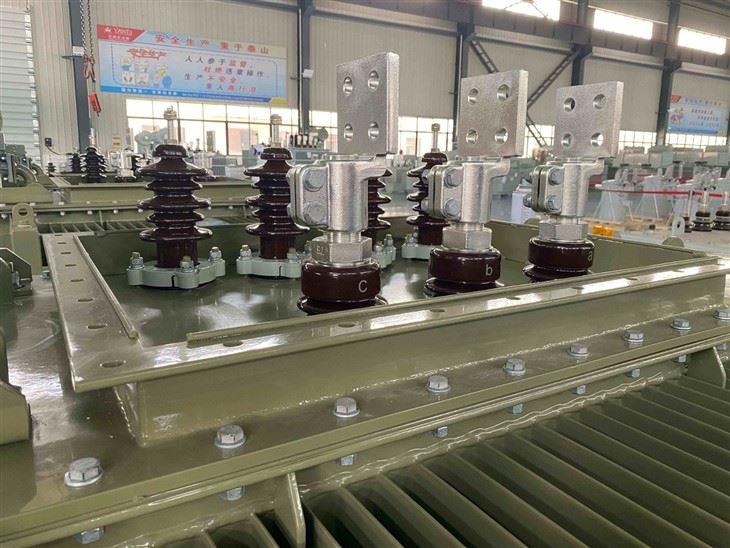
In addition, differential protection is also suitable for special - purpose distribution transformers, such as the Delta Star Distribution Transformer. These transformers are used in specific electrical systems that require a particular voltage transformation ratio and phase relationship. Differential protection helps safeguard these transformers and maintain the integrity of the entire electrical system.
Challenges and Considerations in Differential Protection
While differential protection offers many advantages, there are also some challenges and considerations that need to be addressed. One of the main challenges is the proper setting of the differential relay. The pick - up value and other parameters of the relay need to be carefully adjusted to ensure that the protection system can accurately detect faults while avoiding false tripping.
Another consideration is the effect of inrush current. When a transformer is energized, a large inrush current can flow through the windings, which might cause the differential relay to misinterpret it as a fault. Special techniques, such as inrush current blocking, are often used to prevent false tripping during transformer energization.
Importance of Regular Maintenance and Testing
To ensure the reliable operation of the differential protection system, regular maintenance and testing are essential. The current transformers need to be checked for proper functioning, and the differential relay should be calibrated periodically. Any signs of wear or damage in the protection system components should be addressed promptly.
As a distribution transformer supplier, we provide comprehensive technical support and after - sales service to our customers. We can assist in the installation, commissioning, and maintenance of the differential protection system, ensuring that your transformers operate safely and efficiently.
Conclusion
Differential protection is a vital aspect of protecting distribution transformers. Its high sensitivity, selectivity, and fast operation make it an ideal choice for detecting and isolating internal faults in transformers. As a leading distribution transformer supplier, we are committed to providing high - quality transformers equipped with reliable differential protection systems.
If you are in the market for distribution transformers and want to learn more about differential protection or discuss your specific requirements, we encourage you to contact us for a detailed consultation. Our team of experts is ready to assist you in finding the best solutions for your electrical power needs.
References
- Blackburn, J. L. (1998). Protective Relaying: Principles and Applications. Marcel Dekker.
- Gross, G. (2007). Electric Power Generation, Transmission, and Distribution. Wiley - IEEE Press.
- Stevenson, W. D. (1982). Elements of Power System Analysis. McGraw - Hill.