

Understanding the Basics of Electrical Transformer Boxes
So, let's talk about electrical transformer boxes. These are the protective enclosures that keep transformer-related gear safe and sound in electrical systems. Whether you spot one next to a building, along a utility route, or tucked away in an industrial setting, these boxes play a crucial role in making power distribution safer, more reliable, and way easier to manage. If you're a property owner, part of a facilities team, or a project planner, getting to grips with the basics can help you have better chats with electricians, engineers, and utility providers.
What Exactly Does an Electrical Transformer Box Do?
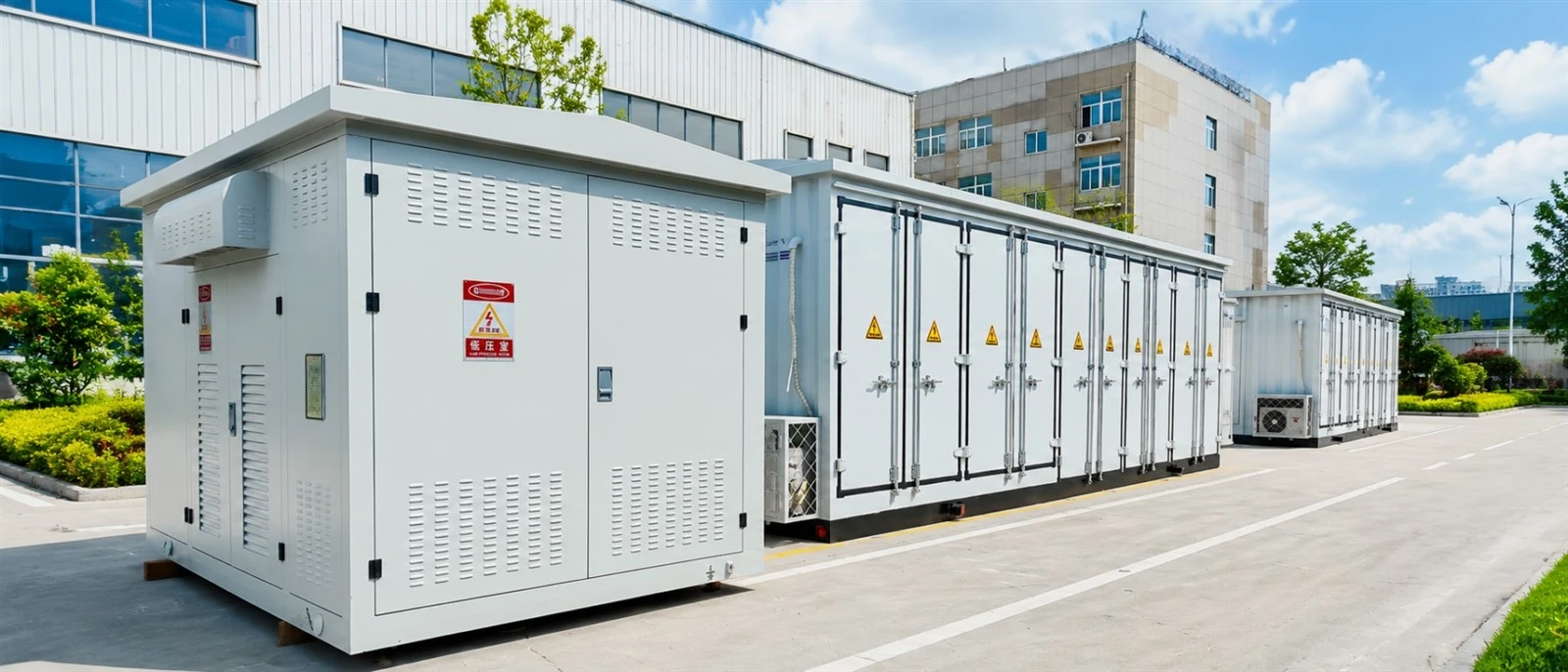
An electrical transformer box is like a home for the electrical transformer. Its job? Changing voltage levels from one point to another. In simple terms, it helps electricity travel from a supply source to wherever it's needed-be it homes, businesses, machinery, lighting, or other electrical gear. The box protects the transformer, allows for wiring connections, reduces exposure to the elements, and provides a controlled area for inspection or service work.
Designs can vary a lot based on their use. A small transformer electrical box might handle a local electrical circuit, while larger setups could manage power distribution for an entire building or utility area. Some of these boxes are mounted outdoors on concrete pads, while others hang off poles or sit in dedicated rooms.
At the end of the day, it's all about control and protection. Electricity needs clear pathways, properly rated parts, and safe distances from people and hazards. A good electrical enclosure helps create that safety zone.
The Main Parts of a Transformer Box System
At first glance, a transformer box might seem pretty straightforward, but trust me, it
Here are some parts you might find in a transformer box:
Transformer unit: This is the star of the show, changing voltage to the level that the system needs.
Electrical enclosure: This outer shell keeps the internal gear safe from the elements, dust, and accidental bumps, depending on its rating and where it's located.
Connection points: These are the paths for power to flow in and out of the transformer system.
Grounding components: Grounding helps funnel fault current safely, enhancing overall electrical safety.
Protection devices: Fuses or breakers might hang out nearby or even inside the larger system, keeping an eye on faults.
Labels and warning markings: These help workers know what to expect-what's what, voltage warnings, and access instructions are all on hand to promote safety.
Remember, the transformer box is just one part of a larger electrical design that needs to account for voltage, load, heat, clearances, the environment, and access for maintenance. That's why placement and installation are best left to those who know their stuff-qualified electrical professionals.
Why Voltage Transformation Matters
Here's the deal: electricity is often generated, transmitted, and distributed at different voltage levels. That's because each part of the power system has different requirements. Higher voltages are great for long-distance transmission, while lower voltages are safer and more practical for everyday use in buildings and equipment. A power transformer is your bridge between these two worlds.
For instance, a business may get electricity from a utility at one voltage but need it lowered down for lighting, HVAC systems, or machinery. Sometimes, certain equipment needs a completely different voltage than what's usually available. The electrical transformer takes care of that little detail so everything can run smoothly.
The transformer electrical box makes this process manageable by providing a defined, protected area for the transformer and its connections. Without it, the gear would be more exposed to moisture, tampering, and environmental wear-especially in outdoor or busy locations.
Where Are Transformer Boxes Commonly Used?
Transformer boxes pop up wherever you need to distribute electricity safely and efficiently. You'll find them in all sorts of places-neighborhoods, commercial buildings, industrial sites, schools, and even in renewable energy setups. Their size, construction, and placement can vary, depending on the electrical load and site conditions.
Here's where you might commonly spot them:
Residential Areas: Neighborhoods often rely on pad-mounted or utility-owned transformer boxes to share power with nearby homes. You'll usually find them in easements or designated utility spaces.
Commercial Buildings: Think offices, retail centers, and restaurants-these places often need a transformer box to meet their power needs. Placement often considers customer access and other environmental factors.
Industrial Facilities: Manufacturing plants and warehouses may use bigger transformer systems to handle hefty electrical loads. Here, the transformer box is part of a broader lineup of electrical equipment.
Public and Institutional Properties: Schools, hospitals, and municipal buildings rely on transformer systems to distribute power across various locations.
Energy and Infrastructure Sites: Places like solar installations and data centers need transformer boxes to meet unique operational requirements.
In every case, the transformer box keeps everything organized, protected, and ready for service.
Electrical Enclosures and Environmental Protection
The electrical enclosure is a superstar when it comes to transformer box systems. Its main job? Keep energized or sensitive parts away from the surrounding environment. That environment could involve rain, snow, dust, or even curious onlookers.
Outdoor transformer boxes are specifically built to withstand the weather. They might feature sealed doors, corrosion-resistant materials, ventilation systems, and secure bases. Indoor units, on the other hand, prioritize access control and ventilation.
When it comes to choosing an enclosure, consider what it needs to protect against. Is it in a wet area? Exposed to potential impacts? Will the public be wandering nearby? These questions greatly influence enclosure type, location, and how it performs over time.
Safety Starts with Access and Awareness
Let's be real: a transformer box shouldn't just be treated like a random 
Here are some safety tips to keep in mind:
Make sure there's enough clearance around the transformer box for qualified workers to get in and do their thing.
No planting shrubs, putting up fences, or storing stuff right against the enclosure.
Never open a transformer box unless you're trained and authorized.
If you see damage, weird noises, or any signs of leaks, report them ASAP.
Keep kids, pets, and unauthorized folks away from electrical gear.
Avoid digging around underground electrical lines without getting proper utility locates first.
For businesses and property managers, keeping access clear is key. If technicians can't safely reach the transformer, it could delay important service. Good planning for landscaping, parking, and maintenance can save headaches down the line.
Signs a Transformer Box May Need Attention
Most folks shouldn't try to fix a transformer box on their own, but there are definitely signs to look out for if something seems off. Spotting issues early can help prevent bigger problems. If you notice any of the following, don't hesitate to reach out to your utility provider or a licensed pro:
Damaged doors, locks, or panels
Smoke, burn marks, or a strong electrical smell
Buzzing that sounds louder or different than normal
Oil or liquid pooling around the base
Exposed wires or missing covers
Leaning or impact damage
Debris or stored items blocking access
Warning labels that are damaged or hard to read
A little humming is normal, especially with larger units, but any sudden changes deserve attention. Just keep a safe distance and let the experts handle it.
Planning Considerations for Property Owners and Project Teams
Got a project that involves a new transformer box or changes to an existing one? Getting your ducks in a row early on can save you a world of hassle. The placement of a transformer can impact site design, electrical routing, landscaping, and future maintenance access. Delaying these decisions can lead to redesigns and conflicts with other site features.
Here are some key things to keep in mind:
Load Requirements: The electrical system should be sized to fit the building and its needs.
Utility Coordination: Utility-owned equipment may come with specific requirements for placement and access.
Code Compliance: Make sure to follow electrical codes and local regulations.
Physical Protection: In some cases, you might need bollards or barriers to protect against vehicles.
Drainage and Grading: Outdoor boxes shouldn't sit where water collects easily.
Service Access: Technicians need safe space around the transformer for maintenance.
Future Expansion: If the site might grow later, account for that in your initial planning.
These decisions are best made alongside licensed professionals. After all, a transformer box plays a key role in critical infrastructure, and even minor mistakes can create big headaches down the line.
Maintenance is About Prevention, Not Guesswork
Maintenance for transformer boxes can vary widely depending on who owns them, the type of equipment, and where they're located. Utility-owned equipment usually falls under the utility's responsibility, while privately owned setups may be managed by the property owner or facilities team. Whatever the case, maintenance should be organized, documented, and performed by qualified personnel.
Preventive maintenance might include regular visual checks, cleaning around the enclosure, looking for signs of corrosion or damage, and making sure ventilation isn't blocked. For more complicated systems, pros may need to do electrical testing, thermal inspections, and other maintenance tasks based on the equipment design.
The goal? Catch small problems before they turn into big headaches. A neglected transformer box can become harder to access, more exposed to damage, and more prone to failure. Simple upkeep, like keeping the surrounding area clear of debris and overgrown plants, can make a huge difference.
A Practical Takeaway for Safer Power Distribution
While a transformer box might not be the first thing that catches your eye, it's a vital part of safely and reliably delivering power. It keeps electrical transformers secure, protects connections, and allows qualified workers a safe space to inspect or service critical equipment.
So whether you're planning a project, managing a property, or just trying to get a grip on the electrical gear around you, remember the basics: know who owns the transformer box, keep it accessible, stay vigilant for any signs of trouble, and get licensed professionals involved if changes are needed nearby. A little awareness goes a long way in ensuring smoother and safer electrical operations.
Q: How soon can you delivery the transformer?
A: It depends on the quantity and capacity of the transformer, normally within one month since the date drawing confirmed by buyer.
Q: How long can you provide the quality warranty?
A: 24 months since the date transformer operated.
Q: What payment method do you accept?
A: T/T (wire transfer) preferred, L/C both accepted.


