

Neutral Ground vs Ungrounded
With respect to electrical systems being able to work well and staying safe it is necessary to know things such as neutral grounds, and ungrounded. Although these words are often used interchangeably, it means different ideas, and have special functions in electrical circuits: This paper wishes to show the difference between neutral-grounded system and ungrounded system and why does it matter.
what is the electrical grounding?
Before we get to the differences, we need to first understand what electrical grounding is. Grounding refers to a protection made for people and machinery to prevent electric failure. It gives a way for extra electricity to go away safely into the ground, so that people won't get shocked or there won't be a fire.
Electrical grounding refers to making some parts of the electrical system touch a real ground, like the earth. So this creates a common starting place for all these voltages in the electrical system. Second it is also a safety which takes and excesses charge anywhere it will take it off your system.
The grounding of is needed to get current in today's electrical systems is to prevent accidental touch of electricity. It gives a clear path to the ground, so if there's extra electricity it goes that way instead of hurting someone or causing a fire. Grounding keeps all of the voltage consistent throughout the whole electrical device and protects it.
The ideas behind grounding have changed many times. At first, when there was no grounding on electrical systems, there were a lot of safety issues. When technology got better, it became clear how important grounding was, so new rules were made to make sure electricity is both safe and good to use. These standards continue to change and add new materials and methods to keep people safe.
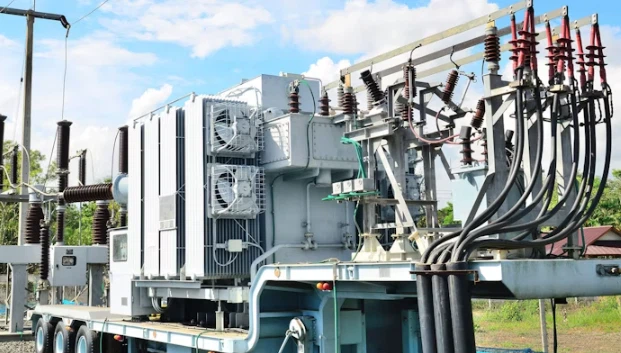
When we talk about electrical systems, "neutral ground" refers to a spot within an electrical distribution system that acts as a path where electricity returns. It is now connected to mother earth, which becomes the reference point or starting point for the whole electrical system.
Neutral ground is also an important part of electrical distribution systems. It is like a balancing point for the electrical currents so that electricity can flow well and steadily. This link to the earth is the difference between a neutral ground and another way of grounding. It's this that holds a system stable.
The neutral ground is useful in many different functions of an electrical system. Firstly, it is mainly about providing a return path for electricity to flow. It is essential that electrical circuit can be completed. The path helps to keep everything even with electricity, and prevents things from becoming electrical messes that break.
Neutral Ground is important for people's safety and efficiency it helps by providing an alternative path for surplus power so as not people to be electrocuted. And also, to protect the safety of an overall electricity system, to maintain the healthy state and to keep the voltage steady. To make sure the equipment works fine.
Neutral ground holds lots of important jobs in making electrical stuff safe and work well:
Neutral ground provides a steady hold for voltage levels in an electrical system. It makes sure the system does what it should do consistently. With a common point it helps with not having voltage changes that damage the equipment causing failures of the items to work. This stability is important both for residential use and for commercial use so that a dependable electrical output is required.
It gives a spot for present to go, so neutral ground keeps folks from getting shocked and gear from being broken. It makes sure that any extra current goes into the ground, so people don't get hurt or start fires. And this is quite important, because in such places there are usually a lot of things with electric.
When there is a mistake, neutral ground lets extra current flow safely into the earth, making it hard for anything to get hurt or broken. This fault protection is how we can get help when there's trouble with the electricity, so that way we can keep on using the machine without it making us stop or get hurt. It is an important part of keeping electrical systems safe and efficient.
what is unground?
An unlinked system refers to the fact that there is no link with the earth. That is to say, the electric system doesn't have a grounded-neutral point. Unground systems are mainly seen in certain industrial environments where grounding could mess up delicate equipment.
If the system has no relation to the system, then it is called an ungrounded system. Unlike grounded systems operating independently of the earth's electrical potential can have some benefits. but it has some unique problems and risks.
Ungrounded systems are isolated from the earth. This isolation helps stop interfering with delicate equipment and makes them good for special factory things. But, the same insulation means that ungrounded systems are slower to identify electrical faults, thus leaving issues not being discovered.
There are risks, but there are still some ungrounded systems used. these systems get pointed out since they can halt interference when precision means a whole lot More so some industrial processes would require an ungrounded setup to meet the specific operational needs that a grounded setup can't match.
Ungrounded system have a feature that set them apart from grounded system.
Being ungrounded means there is no direct way to connect to the ground, these systems get separate from the Earth, that could stop certain equipment causing interference. This kind of separation comes in particularly handy in situations when electricity going wild might mess with sensitive equipment's operations. It gives us nice, clean signal processing, and it cuts down on the risk of getting fake readings or getting the data all muddled up.
Although ungrounded systems have some operational advantage, we have a greater probability that an electrical fault will go undetected with this system structure. So this more danger means we need to keep checking on and taking care of our system to stay safe and working good. And it takes special skills and equipment for special problems in ungrounded systems.
main differences between ground and un-grounded
Ungrounded systems are rare at residence, they are usually employed in industrial setting where certain condition need. Industries that need exact measurements or run sensitive equipment might use ungrounded ones so that it doesn't get disrupted. These systems were made to work well in industrial places, thinking about just what they need there, how careful it must be, and how to keep people safe too.
Ok lets understand about these concepts by seeing that What is the main difference in neutral ground vs un-grounded.
· Neutral Ground: It can also give extra protection by offering a route for electricity that isn't working right, making it harder for people to get shocked or for fires to start. Thus, making the perfect environment fit for an atmosphere where safety must always be a priority like that of the home or office building. Neutral Ground's systems make electrical faults easy to spot and fix so the area stays safe.
· Ungrounded: It can guard against interference in some cases; but it carries a larger risk of faults going undetected, which can damage equipment or result in safety danger. And thus the ungrounded systems becomes more applicable in cases where the good outweighs the bad However, they all require careful watching to be safe and work well.
· Neutral Ground: Help maintain stable voltage levels within the system for stable operation and reduced risk of voltage-related problems. This kind of staying in place can stop things from being broken and make sure electricity does what it should. Neutral ground systems should be the same and they will not experience much voltage changes.
· Ungrounded: There could be voltages that aren't even, and we might end up with things not working right or breaking if we don't handle them. such imbalances can be caused by there being no same reference point, so it's hard to keep voltages even. Ungrounded systems require careful attention to prevent voltage-related problems and ensure reliable operation.
· Neutral Ground: Quickly find and solve electrical problems, reduce downtime and keep people safe. and this really speedy fault detection helps keep the electric stuff healthy and stops bad stuff happening. Neutral ground system came up with means for speedy recognition and solving of troubles, so as to cut down on the likelihood of long delays.
· Ungrounded: If faults are undetected for a long time, there would be a higher chance of serious injury or safety issues. We have delayed the discovery of this to a place where this requires regular monitoring & care, and the discovery of the problem must be quickly recognized and the problem be fixed immediately. Un anchored system requires specific knowledge to function in its own set of unique circumstances surrounding its use.

Neutral Ground System is the first choice for residential and commercial application because of safety and reliable factors. Grounding the neutral point, the system makes it so any electrical trouble is quickly found and fixed, and all that keeps people and the stuff safe.
· Residential Buildings: Neutral ground system is common in houses, and neutral ground systems can reliably prevent people from being hurt by electricity. They make sure that household electrical stuff like machines, lights, etc. work OK and safely, so there's no chance of getting shocked or having a fire. People living in a house depend on neutral earth system because it is easy to take care of and is safer.
· Commercial Properties: Businesses rely on neutral ground systems for steady performance and safety within their electrical infrastructure.
These systems are put in place so that the equipment runs smoothly and keeps everyone from danger of an electrical hazard. Commercial properties get stability and reliability from neutral ground systems. So their operation doesn't stop.
Neutral ground systems offer plenty of great things like extra safety, dependable operation, and simple upkeep. They are made to spot and fix electrical troubles fast, so no one gets hurt or things break. Neutral ground systems gives off stability so that electrical devices work well and there's less chance for something to disrupt or go wrong.
When making ideas about electrical stuffs, the long last benefits of neutral grounds should be thought over. Their reliability and safety make them good investments for both residential and commercial use. Choosing a neutral ground system can make sure property owners maintain the safety and function of their electrical set up for many years.
While neutral-grounded systems are common, there are times when an ungrounded system may be suitable. These include:
· Sensitive Equipment: When grounding would disrupt important equipment, in such situations ungrounded systems would be adopted. The environments are required to have control and little to no interference, therefore an ungrounded system is appropriate. And industries like telecomms, the data process, or precision manufacturer, might use un grounded systems because operation would not be affected.
· Specific Requirements: Some industrial process might call for ungrounded systems to fit special operational demands. These processes use high-frequency signals or there are no grounds available. Untethered systems can be shaped to meet these specific needs and so industrial operations will go on unimpeded.
· Laboratories: Laboratories sometimes use ungroup. Sometimes ungrounded systems are used in labs to prevent interference with precise measurements or experiments. Laboratories conducting delicate study or experiments will take advantage of ungrounded systems as a result of this isolation. These systems make the experimental data stay true in order to keep the results at the end as accurate and right as possible.
· Research Facilities: And some research stations that have a lot of high frequency or high voltage equipment need ungrounded ones too.
These places need special electrical stuff that normal grounding just can't give. Systems that have no grounding give research and development free rein to do ground breaking work.
We have to weigh in both the advantages and potential for danger when it comes to thinking about ungrounded systems. Though they provide certain benefits in particular circumstances, ungrounded systems need close management and upkeep so as to guarantee safety and function. Decision-makers need to look for suggestions from electric experts so they know how to provide the things they want without making sure that these people will keep their systems safe to use.
conclusion
Knowing how different neutral ground and ungrounded systems is important for people who work with electricity or those who are interested in the topic. While both have their places, neutral ground systems tend to be favored for the superior safety and reliability. There are also fewer ungrounded systems, but they also exist for certain uses in the industrial area.
And by understanding those concepts, you'll be able to make good choices when it comes time for deciding on an electric system that suits your needs well enough, one which is both useful AND safe too. It's great if you're a pro electrician, engineer, or just want to know about electrical stuff, figuring out the difference between neutral ground and ungrounded could make you smarter and help keep you safe with electic.
It's important to educate ourselves and others on these ideas to make sure we're all being safe with electricity. Knowing the role and function of neutral ground and ungrounded system to prevent accidents and to have a safer electrical installation. This is really useful for anyone who works on electricity at all.
The area if it has a development about it and every once in a while there comes some new technology and technique. Keep yourself updated with the most current news regarding grounding and electrical safety enhances your decision making/knowledge: It's important to continuously learn for the best safety and efficiency standards for an electric system.
In a word, both neutral ground system and unground system have their advantages and disadvantages. Knowing of these differences is useful to be able to choose the correct type of system for your situation - This then gives a suitable set up of your electricity, so it is both safe and reliable for you to use. Whether it's in our homes, at the workplace, or in factories, making the right decision on grounding systems can really change things when it comes to making sure everyone is safe and everything works well!
FAQ
Q: 1. How soon can you delivery the transformer?
A: It depends on the quantity and capacity of the transformer, normally within one month since the date drawing confirmed by buyer.
Q: 2. How long can you provide the quality warranty?
A: 24 months since the date transformer operated.
Q: 3. What payment method do you accept?
A: T/T (wire transfer) preferred, L/C both accepted.


