

Understanding the Importance of Transformer Insulating Oil
Transformer insulating oil is one of the most important materials inside oil-filled electrical transformers. It acts as both a dielectric fluid and a cooling medium, helping the equipment operate safely, efficiently, and reliably. When transformer oil is clean, dry, and properly maintained, it supports long service life; when it degrades, the risk of overheating, insulation failure, and costly downtime increases.
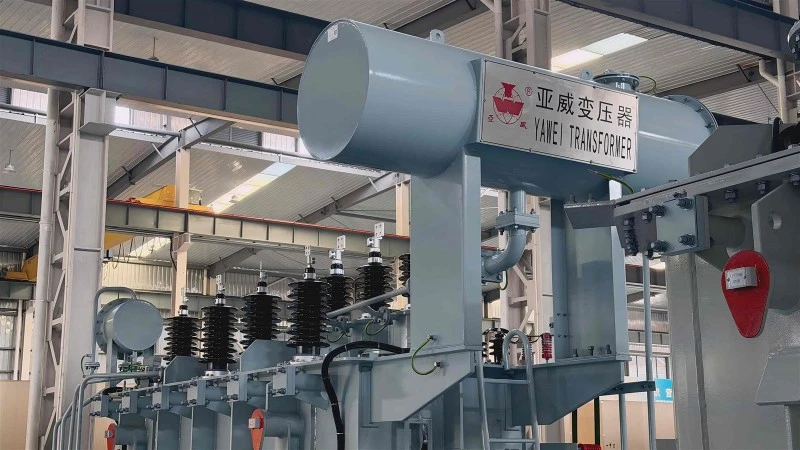
What does transformer insulating oil do?
Transformer insulating oil separates energized components, transfers heat away from the transformer core and windings, and helps protect internal insulation from moisture and oxidation. In simple terms, it allows a transformer to handle high electrical stress while staying cool enough to operate within safe limits. Without a dependable insulating fluid, the transformer's paper insulation and metal components would be exposed to higher thermal and electrical strain.
The oil fills spaces inside the transformer tank where air would otherwise reduce insulation performance. Because it has dielectric properties, it helps prevent electrical discharge between parts at different voltages. At the same time, it circulates through the transformer, carrying heat from the internal windings to the tank walls, radiators, or cooling system.

The link between insulation, cooling, and reliability
A transformer is constantly managing two forces: electricity and heat. The insulating system must resist electrical breakdown, while the cooling system must prevent internal temperatures from rising too far. Transformer insulating oil supports both functions, which is why its condition directly affects the health of the transformer.
When oil quality declines, small problems can build quietly. Moisture may reduce dielectric strength. Sludge may restrict heat transfer. Oxidation byproducts may accelerate the aging of solid insulation. These issues do not always cause immediate failure, but they reduce the transformer's safety margin and can shorten its useful life.
Good oil performance also supports predictable operation. Facilities that rely on transformers for manufacturing, utilities, commercial buildings, or critical infrastructure need equipment that can run under load without unexpected interruption. Maintaining the oil is therefore not just a technical task; it is part of a broader reliability strategy.
Key properties that make transformer oil effective
Not every oil can perform inside a transformer. Transformer oil must have a specific combination of electrical, thermal, and chemical characteristics. These properties help it function as a dielectric fluid while also remaining stable under heat and electrical stress.
Important properties include:
Dielectric strength: The oil's ability to resist electrical breakdown under voltage stress.
Moisture content: Lower moisture levels generally support better insulation performance and reduce risk.
Acidity: Rising acidity can indicate oxidation and chemical degradation.
Interfacial tension: Changes may suggest contamination or aging of the oil.
Dissolved gas levels: Certain gases can indicate overheating, arcing, partial discharge, or other internal faults.
Color and appearance: Darkening, cloudiness, or visible particles can be warning signs, though lab testing is needed for reliable interpretation.
These characteristics are connected. For example, moisture can lower dielectric performance, while oxidation can create acidic compounds that attack internal materials. That is why transformer oil testing usually looks at several indicators rather than relying on one visual check.
Why does dielectric fluid quality change over time?
Dielectric fluid quality changes because transformer oil is exposed to heat, oxygen, electrical stress, moisture, and aging materials inside the transformer. Over time, these conditions can alter the oil's chemistry and reduce its ability to insulate and cool effectively. Even a well-designed transformer can experience oil degradation if the fluid is not monitored and maintained.
Heat is one of the biggest contributors. Higher operating temperatures can accelerate oxidation, especially when oxygen is present. Oxidation may lead to acids, sludge, and other byproducts that interfere with cooling and insulation.
Moisture is another common concern. It can enter through leaks, aging seals, breather systems, or maintenance activities. Moisture may also migrate between oil and solid paper insulation depending on temperature and operating conditions.
Contamination can occur during handling, storage, sampling, or repairs. Dirt, fibers, incompatible fluids, and metal particles can all affect oil performance. This is why clean procedures matter whenever transformer oil is added, filtered, sampled, or replaced.
Warning signs that transformer oil needs attention
Oil problems are not always obvious from the outside of the transformer. A unit may appear normal while the oil inside is slowly degrading. Regular testing is the best way to identify issues early, but certain signs should prompt a closer look.
Watch for these indicators:
Unusual transformer temperature trends under normal load
Oil leaks around gaskets, valves, or fittings
Dark, cloudy, or visibly contaminated oil during inspection
Rising moisture or acidity in test results
Unusual dissolved gas analysis findings
Frequent alarms from temperature, pressure, or protection devices
Reduced performance after maintenance or oil handling
These signs do not automatically mean the transformer is failing. They do mean the oil and the equipment should be evaluated carefully. Early investigation can help determine whether filtration, dehydration, degassing, oil reclamation, repair, or more detailed diagnostics are needed.
Testing turns oil into a diagnostic tool
Transformer oil is valuable because it does more than perform inside the tank; it also carries information about what is happening there.
Laboratory analysis can reveal changes in the oil and provide clues about internal electrical or thermal stress. This makes transformer oil testing an essential part of condition-based maintenance.
Common test categories include dielectric breakdown testing, moisture analysis, acidity testing, dissolved gas analysis, and checks for contamination or aging. Each test provides a different piece of the picture. Together, they help maintenance teams understand whether the transformer is operating normally, aging predictably, or showing early signs of trouble.
The practical benefit is better decision-making. Instead of waiting for a fault, operators can schedule service, plan budgets, and reduce the chance of surprise outages. Testing also creates historical data, which is often more useful than a single result because trends show whether conditions are stable or getting worse.
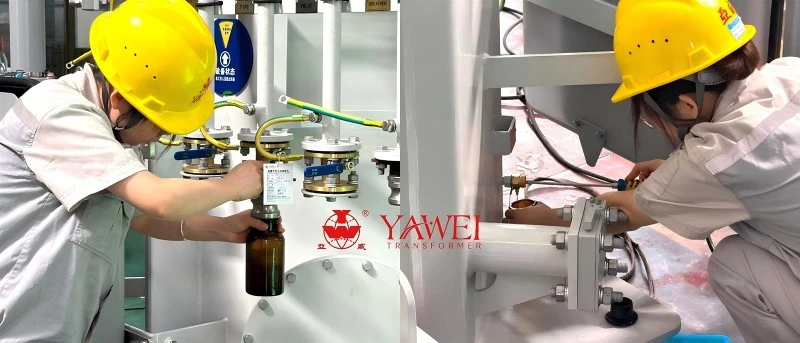
How can you protect transformer insulating oil?
You can protect transformer insulating oil by keeping moisture and contaminants out, testing it on a regular schedule, and responding promptly when results show deterioration. Good oil care starts with disciplined handling and continues through the entire life of the transformer. The goal is not just clean oil; it is a healthier insulation system.
A practical maintenance approach may include:
Set a testing schedule. Base the frequency on transformer criticality, age, operating conditions, and past results.
Sample correctly. Use clean containers, proper sampling points, and procedures that avoid introducing dirt or moisture.
Track trends. Compare results over time instead of treating each report as an isolated snapshot.
Control leaks and breathing issues. Damaged seals or compromised breathers can allow moisture and oxygen into the tank.
Filter or dry the oil when needed. Proper treatment can remove moisture, particles, and gases depending on the method used.
Use compatible materials. Replacement oil, gaskets, and maintenance materials should suit the transformer and application.
Document all work. Clear records help future technicians understand what changed, when, and why.
Maintenance should be proactive, not reactive. Once oil degradation begins affecting solid insulation, reversing the damage becomes much harder. Protecting the oil helps protect the transformer's most difficult-to-replace internal components.
Mineral, synthetic, and natural ester oils
Many transformers use mineral-based transformer oil, but other insulating fluids are also used depending on the application. Synthetic fluids and natural ester fluids may be selected for specific performance, environmental, or fire-safety considerations. The right choice depends on equipment design, operating conditions, regulatory needs, and manufacturer guidance.
Mineral oil is widely used because it has a long operating history and is familiar to many maintenance teams. Natural ester fluids are often discussed for their biodegradability and moisture-handling characteristics. Synthetic fluids may be chosen for certain specialized environments.
However, fluid selection should not be based on one benefit alone. Compatibility, maintenance practices, transformer design, and long-term operating goals all matter.
If a transformer was designed for a particular oil type, changing to another fluid should be approached carefully. Retrofilling may require technical evaluation, cleaning procedures, and consideration of seals, insulation materials, and cooling behavior.
A small fluid with a large responsibility
Transformer insulating oil may not be the most visible part of an electrical system, but it carries a major responsibility. It insulates, cools, protects, and provides diagnostic insight into transformer health. Treating it as a critical asset rather than a simple consumable can reduce risk and support more dependable power distribution.
The takeaway is straightforward: maintain the oil, and you help maintain the transformer. Regular testing, clean handling, moisture control, and timely corrective action all contribute to safer and more reliable operation. For any organization that depends on oil-filled transformers, paying attention to the condition of transformer oil is a practical investment in uptime and equipment life.
Q: How soon can you delivery the transformer?
A: It depends on the quantity and capacity of the transformer, normally within one month since the date drawing confirmed by buyer.
Q: How long can you provide the quality warranty?
A: 24 months since the date transformer operated.
Q: What payment method do you accept?
A: T/T (wire transfer) preferred, L/C both accepted.


