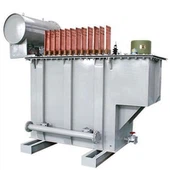
Radiator Repair for Transformers: Causes, Methods & Maintenance Guide
Transformers get hot-like, really hot. And if you've spent any time around oil-immersed units, you already know that the radiator is what keeps things from going south. It's not the flashiest part, but without it, your transformer's pretty much toast. Literally.
Here's the deal: as the transformer handles continuous electrical loads, the core and windings generate a ton of heat. The radiator steps in to pull that heat out of the oil and dump it into the surrounding air. This whole cycle-hot oil rising, cooling off in the radiator, then circulating back-keeps everything running safely and efficiently.

But here's the thing. Radiators aren't invincible. Over time, they run into issues like oil leaks, corrosion, blocked passages, or just not shedding heat like they used to. And if you ignore those problems? You're asking for overheating, insulation breakdown, and unexpected failures that could've been avoided.
So whether you're maintaining a fleet or just trying to keep one unit alive, radiator repair isn't something you want to put off. This guide covers the usual suspects when it comes to radiator problems, how to fix them, what maintenance actually matters, and how transformer manufacturers build these systems to last.
What Exactly Is a Transformer Radiator?
Think of it as the transformer's external cooling rig. It's made up of multiple finned panels or cooling tubes that hook up to the main tank. And the process is pretty straightforward:
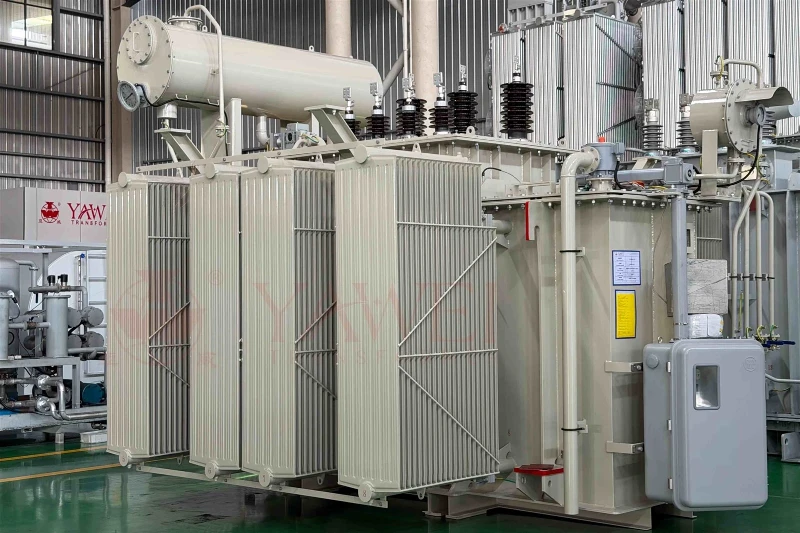
The oil soaks up heat from the core and windings.
As it heats up, it rises naturally (convection in action).
That hot oil flows into the radiator.
Heat dissipates through the radiator surfaces into the air.
Cooler oil heads back down into the tank.
Rinse and repeat. This constant circulation keeps temperatures in check.
You'll find these radiators on all kinds of transformers-distribution, power, substation, renewable energy, industrial-you name it.
Why Bother with Radiator Repair?
Because a damaged radiator doesn't just "run a little warm." It drags down the whole transformer. Even if the unit keeps chugging along, poor cooling accelerates insulation aging and shortens its life more than you'd think.
Here's a quick look at what can go wrong:
| Problem | What It Leads To |
|---|---|
| Oil leakage | Weaker insulation, environmental headaches |
| Blocked cooling passages | Higher operating temps |
| Corrosion damage | Radiator failure, oil loss |
| Poor airflow | Lousy heat dissipation |
| Damaged fins | Less cooling capacity |
Catch issues early, and you avoid costly downtime. Regular inspections and timely radiator repair pay off in the long run.
Common Problems You'll Run Into
1. Oil Leaks
Leaks are probably the most frequent headache. They can come from:
Worn-out seals and gaskets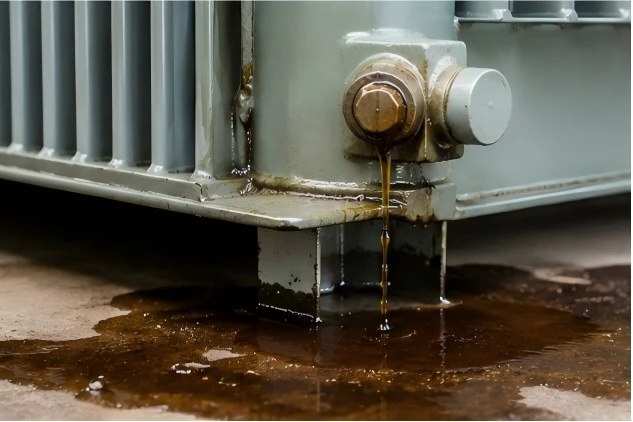
Loose flange bolts
Cracked welds
Rust holes
Impact damage from shipping or installation
Don't shrug off a small drip. Transformer oil isn't just coolant-it's also insulation. Lose too much, and you're compromising both functions.
How to fix it:
Swap out old gaskets
Tighten flanges
Weld up cracks
Replace seriously damaged sections
And always do a pressure test afterward to make sure it holds
2. Corrosion
Most radiators live outdoors, so they take a beating from moisture, salt, pollution, and temperature swings. Over time, that adds up.
Signs to watch for:
Rust spots on the surface
Peeling paint
Metal starting to thin out
Oily stains seeping through
Repair options:
Grind off rust and re-coat
Apply anti-corrosion treatments
Patch minor damage
Swap out panels that are too far gone
If your transformer is near the coast or in an industrial area, you'll want to pay extra attention to corrosion-resistant coatings.
3. Blocked Cooling Passages
Oil has to circulate freely for the radiator to do its job. Sludge, dirt, or degraded oil can clog things up.
You'll notice:
Temps creeping up
One part of the radiator feeling hotter than another
Cooling fans running more often
Overall efficiency taking a dip
What to do:
Check oil flow
Clean out the radiator passages
Filter or change out contaminated oil
Inspect pumps if you're running a forced-cooling setup
4. Damaged Fins
Those fins aren't just for looks-they increase surface area for heat dissipation. If they get bent or broken, you lose cooling capacity.
Common causes: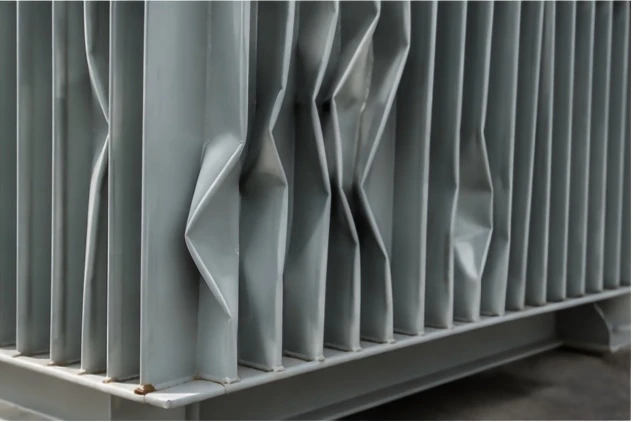
Bumps during transport
Accidental hits on-site
Severe weather (hail, flying debris)
Rough handling
Fixes:
Gently straighten bent fins
Seal small punctures
Replace entire fin assemblies if they're too damaged
How a Professional Radiator Repair Goes Down
Good repair work follows a clear sequence. Here's what that usually looks like:
Step 1: Visual Inspection
Check for leaks, rust, fin damage, flange condition, and overall surface health.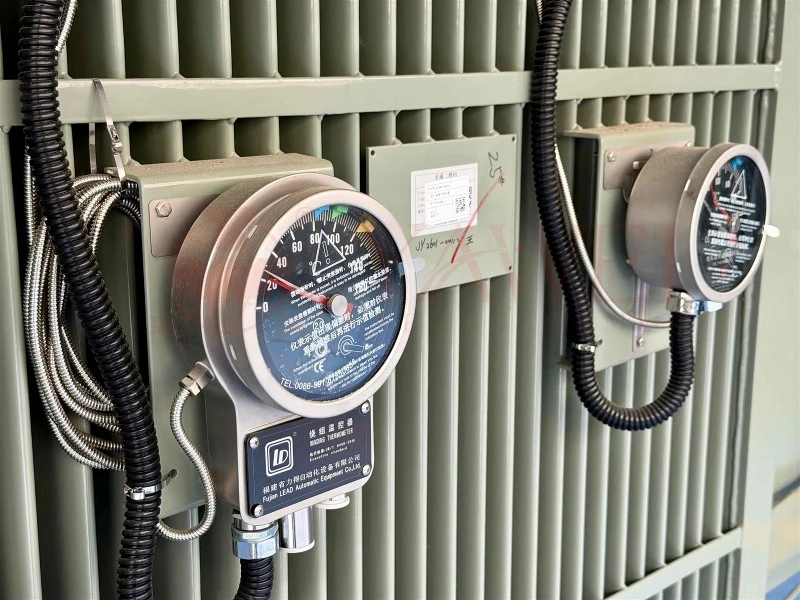
Step 2: Oil Level & Pressure Check
See if the oil needs to be drained before any real work begins.
Step 3: Remove or Isolate the Radiator
Minor leaks? You might be able to fix them in place. Major damage? The radiator's coming off.
Step 4: Fix or Replace
Depending on the issue, this could involve welding, swapping gaskets, recoating surfaces, or installing new panels.
Step 5: Leak Testing
Pressure and vacuum tests confirm everything's sealed up tight before the transformer goes back online.
Preventive Maintenance: Your Best Defense
A little routine care goes a long way in avoiding emergency radiator repair.
| Maintenance Task | How Often |
|---|---|
| Visual walkaround | Regularly |
| Check for oil leaks | Monthly or quarterly |
| Corrosion inspection | At least once a year |
| Clean radiator surfaces | Depends on environment |
| Monitor oil temp | Continuously |
| Oil quality testing | As per operating conditions |
Maintenance by Cooling System Type
Not all radiators are treated the same-it depends on how your transformer cools itself.
ONAN (Oil Natural, Air Natural)
No fans, no pumps. Just natural convection and airflow. So if the radiator isn't performing well, there's no backup. Keep it clean and leak-free.
ONAF (Oil Natural, Air Forced)
This one uses fans to push more air across the radiator. Maintenance should
include:
Checking fan operation
Motor health
Airflow direction and volume
Radiator cleanliness
OFAF (Oil Forced, Air Forced)
Forced oil and air systems are more complex. You'll also want to inspect:
Oil pumps
Control panels
Associated cooling accessories
How Yawei Transformer Keeps Radiators Reliable
Yawei Transformer doesn't treat cooling as an afterthought. From design to delivery, they focus on making sure radiators actually hold up in the field.
What makes the difference?
High-quality steel that resists corrosion
Precision welding with minimal weak points
Rigorous leak testing at multiple stages
Durable anti-corrosion coatings
Smart thermal design for maximum heat rejection
Their oil-immersed transformers are built for real-world conditions, whether that's a solar farm, a data center, a wind project, or an industrial plant. And by investing in better manufacturing and tighter QC, they help customers slash maintenance headaches and stretch transformer service life.
At the end of the day, a reliable radiator isn't just about avoiding breakdowns-it's about peace of mind. And that's something worth repairing.
FAQ
Q: How soon can you delivery the transformer?
A: It depends on the quantity and capacity of the transformer, normally within one month since the date drawing confirmed by buyer.
Q: How long can you provide the quality warranty?
A: 24 months since the date transformer operated.
Q: What payment method do you accept?
A: T/T (wire transfer) preferred, L/C both accepted.