

Copper Vs Aluminum Transformer Windings: Which One Is Better?
When it comes to transformer windings, the two main materials you'll see are copper and aluminum. These are the conductors that carry the current and make the whole electromagnetic induction thing work.
Copper Windings
Copper is still the go-to choice for high-end, compact, or heavy-duty transformers.
Why people like it:
It conducts electricity much better than aluminum (roughly 1.6 times better), so you get lower losses and higher efficiency.
It's stronger mechanically, which means it handles short-circuit forces, vibration, and rough handling way better.
Because it's more conductive, you can use smaller conductors, which keeps the whole transformer more compact.
It also dissipates heat more effectively.
The downside? Copper is noticeably more expensive and heavier.
Aluminum Windings
These days, aluminum has become really common - especially in distribution transformers, dry-type units, and many cost-sensitive projects. A lot of manufacturers have switched to it as the default.
The advantages:
It's significantly cheaper, which makes a big difference in the final price.
Much lighter weight, so shipping and installation are easier.
With a properly designed transformer (using a larger cross-section to compensate for lower conductivity), aluminum performs very well and can easily match copper's lifespan.
Of course, it's not perfect. You need a bigger conductor size for the same current, and the mechanical strength is lower, so connections need extra care to avoid loosening or oxidation issues over time.

(Click the image for more information.)
Quick Comparison

The truth is, when engineered right, both materials can deliver similar efficiency and reliability. A lot of it comes down to the specific application and budget.
Other Details That Matter
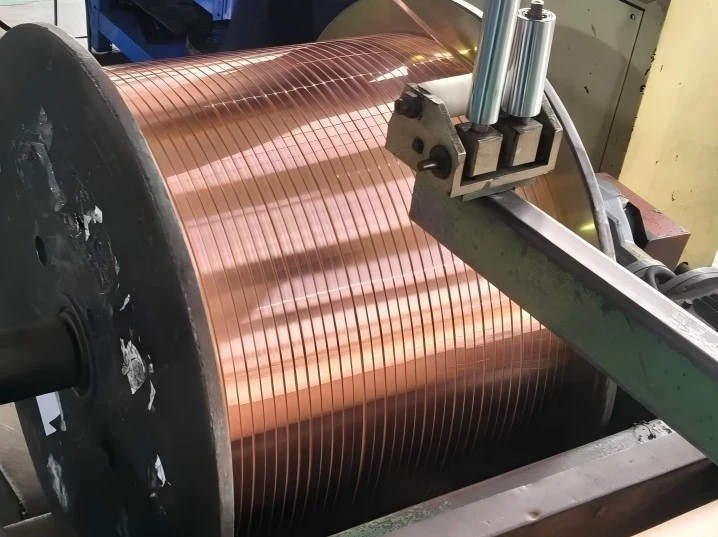
Windings can be made from round wire, rectangular strip, or foil (foil is very common for low-voltage sides). They're insulated with paper, Nomex, enamel, or cast resin depending on whether it's an oil-filled or dry-type transformer.
Bottom line: If space, efficiency, or extreme reliability is critical, go with copper. If you're trying to keep costs and weight down without sacrificing too much performance, modern aluminum windings are a solid, widely accepted choice. Always check the manufacturer's specs for your particular voltage and kVA rating.


