

Performance, price, and market conditions of various transformers in 2026
In 2026, the global electrical transformer market-covering power, distribution, dry-type, and other segments-is sitting at around USD 82 billion, up from roughly 78 billion the year before. Most forecasts point to steady growth with CAGRs between 5% and 6.5% heading into the early 2030s, though the exact numbers vary a bit depending on the source.
The big drivers are pretty clear: exploding electricity demand from renewable energy integration, AI-powered data centers, EV charging networks, grid upgrades, rapid urbanization, and the urgent need to replace a ton of aging infrastructure. That said, supply is still struggling to keep up, especially in North America. Long lead times, higher prices, and procurement headaches have basically become the new normal, and they're likely to stick around well into the late 2020s.
How the Market Looks Right Now
Demand has surged - Power transformer demand in the U.S. is up about 119% since 2019, while distribution transformers have grown around 34%. Similar pressures are playing out globally. Clean energy projects, data centers, manufacturing and EV loads are all pulling hard, and over half of U.S. distribution transformers (roughly 40 million units) have already passed their expected lifespan.
Supply shortages remain a real pain - In the U.S., there's still something like a 30% shortfall for power transformers and around 10% for distribution units (based on 2025 modeling, and it's not easing fast). Pad-mounted three-phase transformers are expected to get even tighter in 2026 thanks to data center and EV demand. Globally, high-voltage power transformer gaps are likely to continue through at least 2028. Lead times? Large power and GSU units can still run 128–144 weeks or more, while distribution transformers are sitting at 12–24 months-better than before, but still elevated.
New capacity is coming, but slowly - About USD 2 billion in fresh North American manufacturing investments (think Hitachi Energy, Siemens, and Eaton plants ramping up from 2027 onward) should help eventually. For now, though, demand is outrunning the new supply. Asia-Pacific continues to lead in both production volume and growth.
Regional differences matter - North America feels the squeeze the most because of heavy data center and EV pressure. Europe benefits from tough efficiency and fire safety rules, while Asia-Pacific is seeing the fastest volume growth driven by electrification and urban expansion. If you're buying from Singapore or elsewhere in Asia, you can often get better regional pricing-but you're still exposed to global swings in material costs.
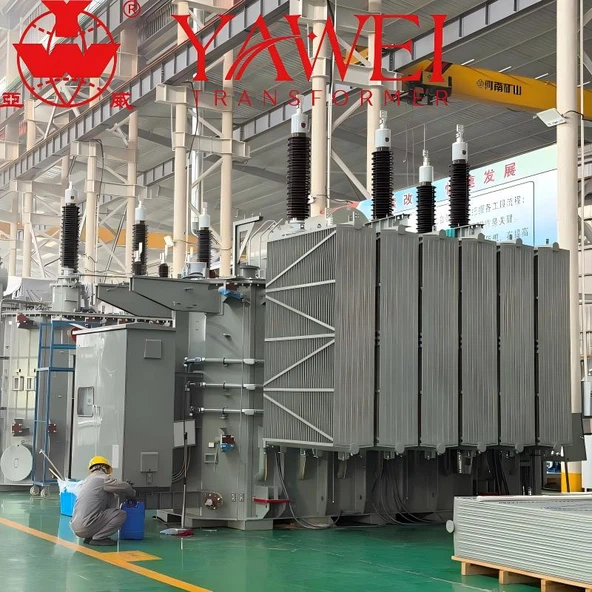
(click the picture to get more information)
Prices in 2026
Prices are still noticeably higher than pre-2020 levels, thanks to big jumps in raw materials (copper up ~70% since 2020, grain-oriented electrical steel up 80–100%), stricter efficiency standards adding 8–12% to costs, logistics headaches, and those ongoing shortages. In 2026, expect pricing to stay high but relatively steady, with modest year-over-year increases of around 3–5% after some stabilization late in 2025.
Here are some rough 2025–2026 ranges in USD per kVA (these vary by specs, region, and efficiency tier-North America tends to be the most expensive due to tariffs and shipping):
Distribution transformers (e.g., 33 kV class): Asia around 28–35; North America/Europe 38–50.
Power transformers (e.g., 132 kV class): Asia 25–32; North America/Europe 35–47.
Efficiency-upgraded or renewable-specific units (20–100+ MVA): typically carry a 10–45% premium over baseline models.
Since 2019, we've seen power transformers rise about 77%, GSUs around 45%, and some distribution classes jump as much as 95%. Ouch.
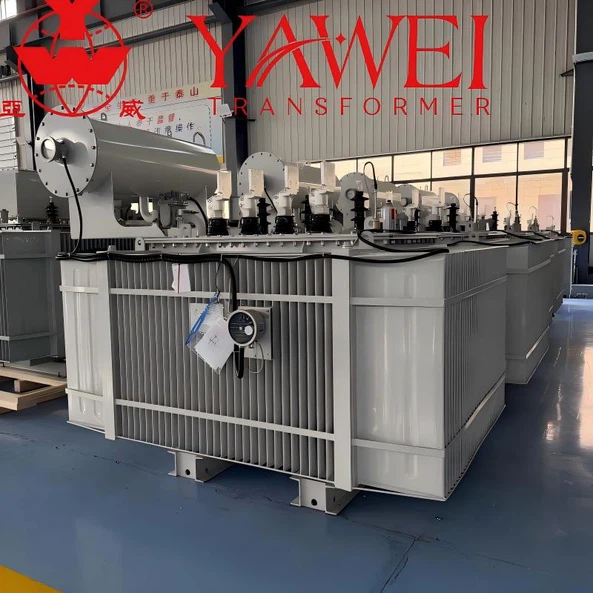
(click the picture to get more information)
Performance by Transformer Type
Today's transformers are all about low-loss designs-using amorphous cores and high-permeability steel-to hit standards like the U.S. DOE 2016, IEC 60076, and EU EcoDesign Tier 2. Well-optimized units commonly reach 98–99.5%+ efficiency at full load, with real focus on cutting both no-load and load losses to bring down total cost of ownership and emissions.
1. Power Transformers (high-voltage, transmission, substation, and GSU types) Market size is moving from about USD 30.4B in 2025 to 32–33B in 2026 (+6–7%), with a global CAGR around 6–7% through 2030 and beyond. These face the worst shortages and longest lead times. Demand is strong from renewables evacuation, HVDC lines, and grid upgrades. Performance-wise, they handle up to 765 kV and over 600 MVA. Oil-immersed designs still dominate because they offer better cooling and can handle short-term overloads of 130–150%. Efficiencies hit 98.5–99.7% at full load with low losses; advanced amorphous cores can slash no-load losses dramatically. Their high thermal capacity makes them great for sustained heavy loads. Price impact: They've seen the biggest absolute cost increases, with extra premiums for renewable or offshore projects.
2. Distribution Transformers (pad-mounted, pole-mounted, etc.) Market size sits around 21–22B in 2025, heading toward 22–27B in 2026 (pad-mounted subset near 26–27B), with growth of 4–7% overall and faster rates (6–9%) in North America and Europe. Shortages are moderate and improving for smaller units, but pad-mounted ones are getting tighter due to data centers and EVs. Replacing old fleets is a huge tailwind. They typically go up to ~35 kV and under 2,500–10,000 kVA. Liquid-filled (oil-immersed) models are the go-to for outdoor and utility use-they deliver better efficiency and heat dissipation than dry-type. Low-loss versions (like SH15 amorphous) can cut no-load losses by 70–80%. Three-phase units dominate commercial and industrial applications. Price-wise, some classes have seen the sharpest relative increases, with big regional differences.
3. Dry-Type Transformers This segment is growing fastest: from ~8.7–9B in 2025 to 9.3–9.5B in 2026 (+7%), with strong momentum continuing toward 2035. It's booming in indoor and safety-sensitive spots like data centers, hospitals, and buildings. They're less impacted by oil-related regulations and fire codes. Performance: Air- or solid-insulated (no oil), usually rated ≤35 kV and ≤2,500 kVA. Efficiencies run 96–98.5%-a bit lower than oil-filled because of air cooling-and they tend to have higher no-load losses. But they shine on fire safety, low maintenance, and environmental friendliness. Great choice for data centers and EV chargers. Noise levels are 55–70 dB (with fans), and they handle seismic activity well. Compared to oil-filled: Dry-type wins on safety, maintenance, and TCO in low-utilization or indoor settings. Oil-filled is better for high-load efficiency, higher capacity, and overload capability.
4. Data Center Transformers (a hot specialized sub-segment) This niche is expanding from USD 9.45B in 2025 to about 10.08B in 2026, with a CAGR of ~6.8% through 2032. These are high-efficiency liquid or dry-type units built for dense, ultra-reliable power. Explosive demand from AI and hyperscalers is a major factor-and it's making pad-mounted and distribution shortages even worse.

(click the picture to get more information)
Quick Trade-Off Summary (Oil-Filled vs. Dry-Type)
Oil-filled: Higher efficiency, superior cooling and overload handling, lower losses at high utilization. Downside? You need proper containment and fire precautions.
Dry-type: Safer (no leak or fire risk), easier maintenance, more indoor-friendly. Trade-offs include slightly lower efficiency and more limited capacity.
Bottom line for 2026: The market is strong, but supply is still constrained. Plan way ahead-lead times can run 12 to 36+ months-budget for premium pricing, and lean toward high-efficiency, low-loss models to keep long-term energy costs in check. North American buyers are feeling the pinch the hardest, while sourcing from Asia or globally can sometimes offer relief (as long as logistics work out). New manufacturing capacity and better efficiency tech should start easing things after 2027, but the broader energy transition will keep demand robust for years to come.
For actual project quotes, it's always best to talk directly with manufacturers like Hitachi Energy, Siemens, or Eaton-real pricing depends heavily on voltage class, capacity, efficiency requirements, and your location.


