Analysis of Transformer Explosion Causes, Real-World Cases, and Effective Prevention Strategies
If you've ever typed "transformer explosion" or "why do transformers explode" into Google, you're definitely not alone. These searches spike every time there's a loud bang, bright flash in the sky, and a neighborhood goes dark. Transformer explosions might look dramatic on video, but behind the spectacle is a serious safety and reliability issue in our power grid. Especially with oil-filled units - the most common type - things can go from "minor fault" to "fireball" pretty quickly.
I've put this piece together to walk through what actually causes these failures, share some real incidents, explain the damage they cause, and - most importantly - what we can do to stop them. Whether you're an engineer, run a facility, or you're just curious after seeing another viral clip, here's the straight talk.

What Usually Triggers a Transformer Explosion
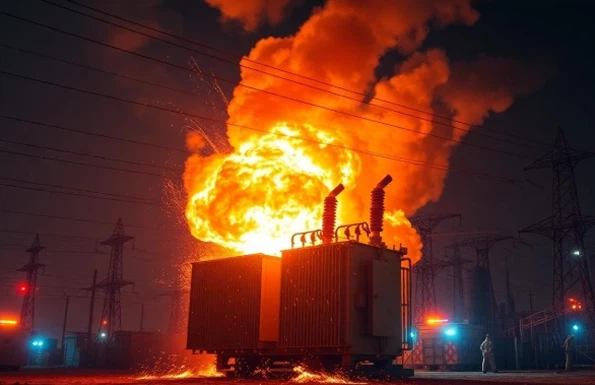
At its core, a transformer explosion is basically a pressure cooker gone wrong. The insulating oil inside breaks down under heat and electrical stress, releasing gases that build up until the tank can't hold it anymore. Then you get a rupture, spraying hot oil that often catches fire.
Here are the main culprits I see time and again:
Overloading: This is probably the most common everyday reason. Run a transformer harder than it's designed for - especially during hot summer peaks when everyone's blasting AC - and the windings get too hot. The oil starts cooking, gases form, pressure rises. Old neighborhood transformers are particularly vulnerable.
Insulation Breakdown: Over the years, the paper and oil insulation degrades. Moisture sneaks in, contaminants build up, and suddenly you have partial discharges or full arcing inside. Once arcing starts, it feeds on itself and things escalate fast.
External Events: Lightning strikes, sudden voltage surges from switching operations, or even fallen trees on lines can push the transformer past its limits. In stormy areas, this is a regular headache.
Oil Problems and Cooling Failures: Dirty or wet oil loses its ability to insulate. Blocked radiators or dead cooling fans mean heat can't escape. I've seen cases where a simple maintenance oversight here turned into a major incident.
Poor Design or Installation: Sometimes it's as basic as bad connections, inadequate short-circuit strength, or missing protection devices. Animals getting inside or loose bushings can also create the spark that starts the chain reaction.
The scary part is how quickly it can happen - sometimes in just milliseconds once the pressure wave kicks in.
Real Incidents That Made Headlines
These aren't just theoretical. Transformers blow up more often than most people realize.
Back in early 2026, Cleveland, Ohio had a pretty dramatic one on the West Side. Residents heard explosions and saw bright blue arcs lighting up the sky. Power lines came down, a house caught fire, and thousands lost electricity for hours or even days. Classic signs: loud bangs followed by chaos.
In industrial settings, the stories are just as sobering. A steel plant in Mexico dealt with repeated issues traced back to moisture in the oil, which led to dangerous hydrogen buildup. They caught it in time with backups, but it was a wake-up call. Similar patterns show up in older substations across the U.S. and elsewhere - California, Houston, you name it.
What makes these events stick in people's minds is the video footage. Search "transformer explosion video" and you'll see why they go viral. But behind every clip is real disruption: lost power for homes, hospitals, factories, and big repair bills.
The Real Damage These Explosions Cause
It's not just the transformer that gets wrecked. The consequences spread fast:
Fire: Hundreds or even thousands of gallons of hot burning oil can create intense fires that are tough to put out. The smoke is toxic, and if the oil reaches soil or waterways, you've got an environmental mess.
Power Outages: One big unit going down can knock out entire neighborhoods or critical infrastructure for a long time. Replacement transformers aren't exactly sitting on shelves.
Safety Risks: Flying debris, arc flashes, and pressure waves can injure or worse. In crowded areas, the human cost can be heartbreaking.
Financial Hit: We're talking millions in some cases - equipment, downtime, repairs, and lost business.
It's a reminder that our modern life depends on equipment that's often older than we'd like to admit.
How to Actually Prevent Transformer Explosions
Most of these incidents are preventable if people pay attention.
Here's what works in practice:
Catch Problems Early Use modern monitoring tools - dissolved gas analysis (DGA), thermal imaging, partial discharge sensors, and online oil condition trackers. Little changes in gas levels or temperature can give you a heads-up before things get ugly. Relays like Buchholz and sudden pressure devices are lifesavers too.
Better Protection Systems Install proper surge arresters, differential protection, and - where it makes sense - fast depressurization systems that vent pressure before the tank explodes. Nitrogen injection fire prevention systems are especially effective at stopping fires in their tracks.
Smarter Design and Setup Choose transformers with decent short-circuit withstand capability. Put in fire barriers, oil containment pits, and keep flammable stuff away. Follow standards like NFPA - they exist for a reason.
Good Old Maintenance This one sounds basic, but it's huge. Regular oil testing, bushing checks, cleaning cooling systems, and avoiding chronic overloads go a long way. For older fleets, predictive maintenance using data analytics is becoming a game changer.
Emergency Preparedness Train staff on what to do: de-energize immediately, stay clear of the spray zone, and don't use water on oil fires right away. Having a solid response plan can limit the damage when something does go wrong.
Wrapping It Up
Transformer explosions will probably never disappear completely, but we can make them much rarer. The combination of aging equipment, rising electrical demand, and extreme weather means we can't afford to get complacent.
If you're responsible for electrical systems, take a fresh look at your older transformers. Invest in monitoring, follow maintenance religiously, and don't wait for a near-miss to upgrade protection. For the rest of us who just see the dramatic videos online, it's a good reminder of how much quiet work goes into keeping the lights on.
Stay safe out there, and if you have a specific situation or transformer type you're worried about, feel free to share more details - happy to point you in the right direction.