

Solid State Transformers for AI Data Centers: Benefits and Challenges
As artificial intelligence continues to expand, data centers are facing unprecedented demands for electrical power. AI workloads rely on high-performance GPUs, advanced cooling systems, and high-density server racks that require reliable, efficient power distribution. Traditional transformers remain essential to data center infrastructure, but their limitations have encouraged engineers to explore new technologies. One promising option is the solid state transformer (SST).
Solid state transformers for AI data centers could provide more flexible voltage conversion, improved power control, and better integration with renewable energy and energy storage systems. However, high costs, conversion losses, thermal management requirements, and limited commercial deployment still present challenges. Understanding these benefits and limitations can help data center developers make informed decisions about future power infrastructure.
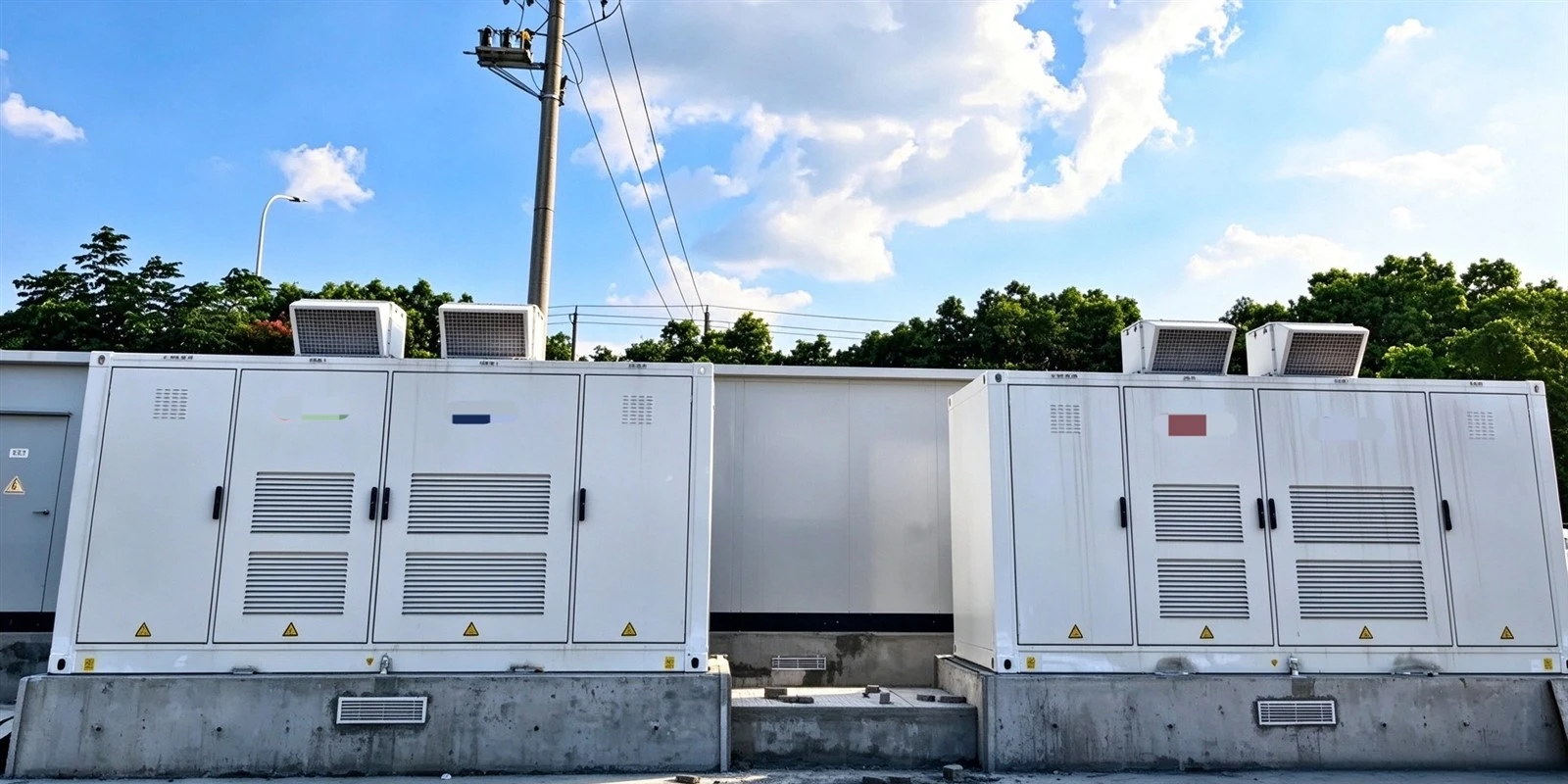
What Is a Solid State Transformer?
A solid state transformer is an advanced power conversion device that uses power semiconductor switches and high-frequency conversion circuits rather than relying solely on conventional electromagnetic transformation. It can combine voltage conversion, electrical isolation, and power control within a more integrated system.
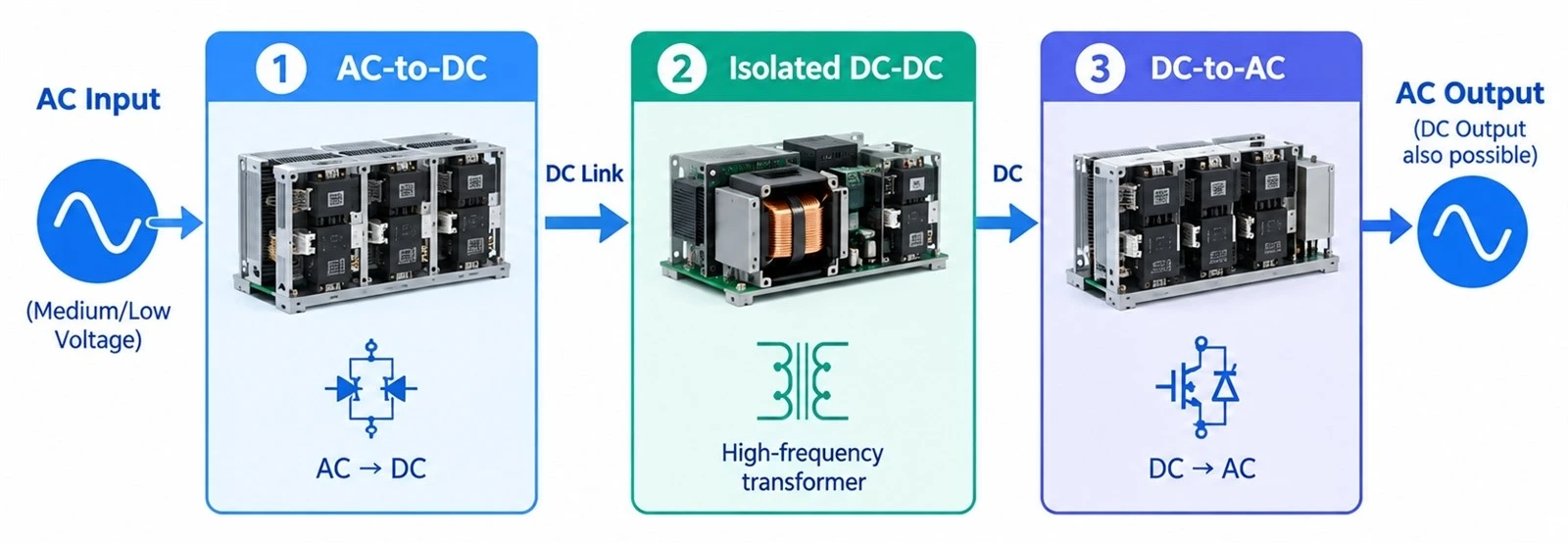
A typical solid state transformer consists of three main stages: an AC-to-DC converter, an isolated DC-to-DC converter, and a DC-to-AC converter or DC output stage. These stages allow the system to manage voltage levels and power flow with greater flexibility than a conventional transformer.
Traditional power transformers use electromagnetic induction to transfer energy between windings. They are mature, reliable, and widely deployed in data centers. Solid state transformers, by contrast, use power electronics to enable more sophisticated control of electrical energy.
For AI data centers, the potential value of SST technology lies in its ability to support high power density, flexible power distribution, and emerging DC power architectures.
Why AI Data Centers Need Advanced Transformer Technology
AI data centers have different power requirements from many conventional data center facilities. GPU clusters consume substantial amounts of electricity, and individual racks can reach power levels far beyond those of traditional server installations. At the same time, liquid cooling systems, power distribution equipment, and backup infrastructure add to the total electrical load.
As rack power density increases, data center operators must manage higher currents, electrical losses, voltage stability, and heat generation. Power infrastructure must also accommodate rapid changes in demand as AI workloads shift between training, inference, and other computing tasks.
Conventional transformers remain a practical choice for medium-voltage distribution and facility power supply. However, integrating renewable energy, battery energy storage, and direct-current distribution can introduce additional conversion stages and control requirements.
Solid state transformers offer a potential alternative for selected applications, particularly where controllability and integration are more important than minimizing initial equipment cost.
Key Benefits of Solid State Transformers for AI Data Centers
1. More Flexible Power Conversion
One of the main advantages of a solid state transformer is its ability to support multiple voltage conversion stages and controlled power flow within a compact system architecture.
AI data centers typically receive medium-voltage power from utility substations before distributing it through downstream transformers, switchgear, UPS equipment, and power distribution units. An SST could integrate some of these conversion functions, depending on its design.
This flexibility may simplify certain power architectures and help engineers adapt distribution systems to changing rack loads and future facility expansion. Actual equipment savings depend on the system configuration and whether additional protection or conversion equipment is still required.
2. Potential Support for Higher Power Density
AI computing facilities need to deliver increasing amounts of power within limited building footprints. Solid state transformers can offer high power density because high-frequency conversion can reduce the size of certain magnetic components.
A smaller conversion system may create opportunities to optimize electrical rooms and modular power infrastructure. Nevertheless, the complete installation must include cooling, insulation, protection, and maintenance access, so a smaller transformer module does not automatically mean a smaller overall electrical system.
3. Improved Monitoring and Power Control
Because solid state transformers rely on power electronic converters, they can support advanced digital control and monitoring functions. Depending on the design, these functions may help regulate voltage, manage power flow, and respond to changing operating conditions.
For AI data centers, better visibility into power conversion equipment can support energy management and fault diagnosis. Integration with facility monitoring systems may also help operators identify abnormal operating conditions before they lead to equipment downtime.
However, the availability of these capabilities depends on the SST's control system, sensors, communication interfaces, and integration with the data center's electrical management platform.
4. Integration With Renewable Energy and Battery Storage
Many data center operators are investing in renewable energy, battery storage, and microgrid technologies to improve energy resilience and meet sustainability targets.
Solid state transformers can potentially connect AC and DC power systems more flexibly than conventional transformers alone. This can be useful in architectures that combine utility power, photovoltaic generation, battery energy storage, and DC distribution.
Bidirectional power conversion may also enable energy to flow between connected systems when supported by the converter design. This capability can help coordinate energy resources, although it does not replace the need for appropriate protection, grid interconnection controls, and backup power systems.
Challenges of Solid State Transformers in AI Data Centers
Despite their potential, solid state transformers are not yet a universal replacement for conventional transformer technology.
High initial cost is one of the main barriers. SSTs require semiconductor devices, control electronics, high-frequency magnetic components, and specialized cooling arrangements. Their total installed cost may be significantly higher than that of conventional transformers, particularly for large-capacity applications.
Conversion efficiency is another important consideration. Conventional power transformers can achieve very high efficiency under suitable operating conditions. Solid state transformers introduce semiconductor switching and conduction losses across their conversion stages. Although their overall system architecture may eliminate some downstream conversion steps, the final efficiency advantage must be demonstrated through a complete system-level comparison.
Thermal management and reliability are also critical. Power semiconductors generate heat and require careful temperature control. AI data centers operate continuously, making component lifetime, cooling performance, fault tolerance, and maintenance procedures essential design considerations.
Finally, standardization and deployment experience remain challenges. Conventional transformers benefit from decades of manufacturing experience, established testing procedures, and widely available maintenance expertise. SST technology is developing rapidly, but high-voltage, high-capacity implementations still require careful evaluation of protection coordination, electromagnetic compatibility, grid compliance, and long-term serviceability.
Solid State Transformers vs. Conventional Transformers
|
Feature |
Solid State Transformer |
Conventional Transformer |
|---|---|---|
|
Operating principle |
Power electronics and high-frequency conversion |
Electromagnetic induction |
|
Voltage control |
Advanced electronic control options |
Depends on design and tap-changing equipment |
|
Power density |
Potentially high |
Depends on rating and cooling |
|
Efficiency |
Design-dependent; conversion losses matter |
Typically very high |
|
Renewable integration |
Flexible AC/DC integration potential |
Often requires separate conversion equipment |
|
Initial cost |
Generally higher |
Mature and widely available |
|
Commercial maturity |
Emerging in many high-power applications |
Established technology |
The best choice depends on the facility's power architecture, reliability requirements, expansion plans, and total cost of ownership. Conventional transformers remain a strong option for many AI data centers, while SSTs may be attractive in specialized applications requiring advanced power conversion.
How Yawei Transformer Supports AI Data Center Power Infrastructure
As AI computing expands, selecting reliable transformer equipment is essential to maintaining stable power distribution and protecting critical infrastructure. Jiangsu Yawei Transformer Co., Ltd., established in 1993, brings more than 30 years of transformer manufacturing experience to industrial and power distribution applications.
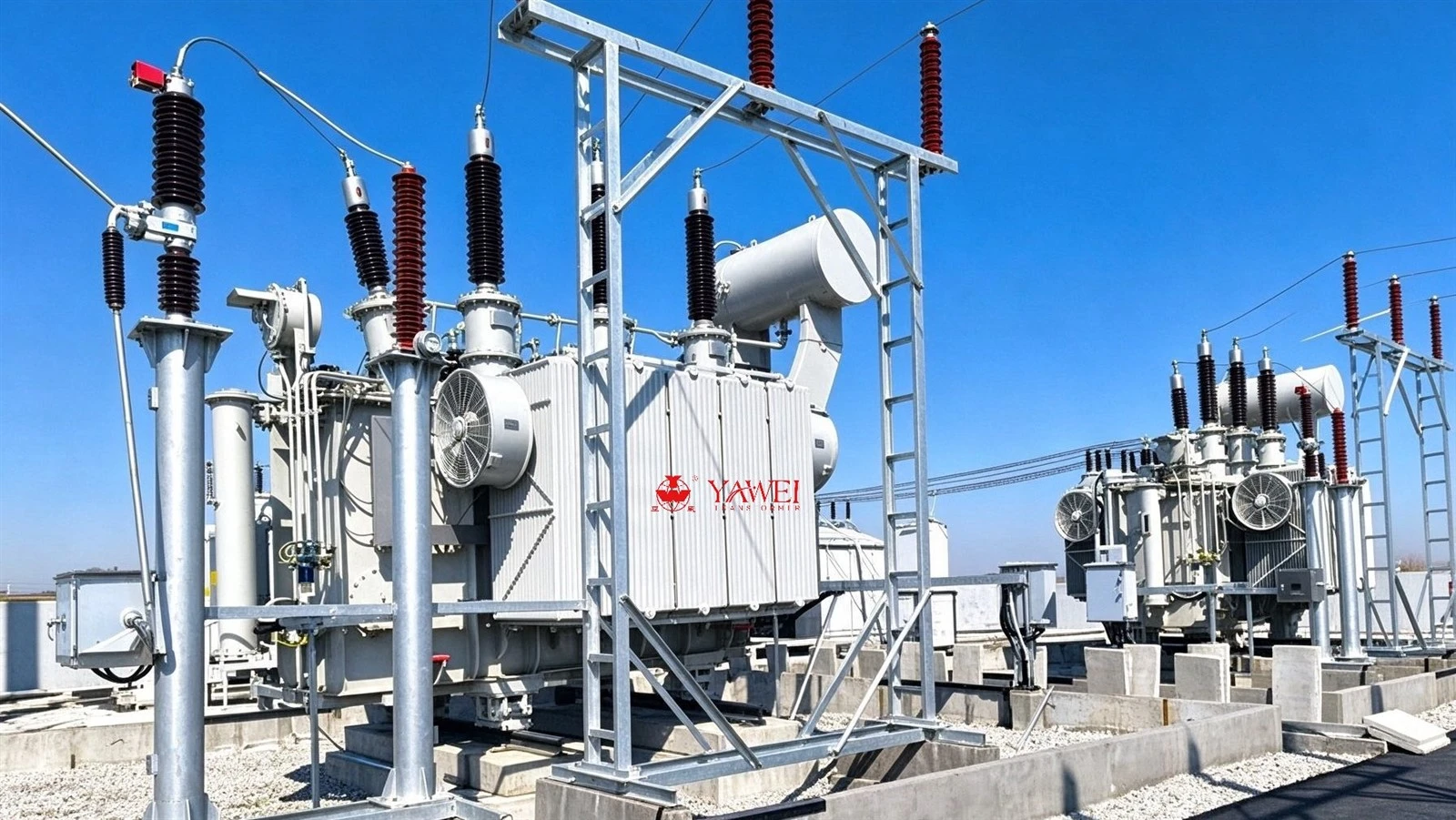
Conventional oil-immersed and dry-type transformers remain important components of data center electrical systems, supporting voltage conversion between utility supplies, medium-voltage distribution networks, and downstream electrical equipment. Equipment selection should consider rated capacity, voltage ratio, impedance, temperature rise, cooling method, installation environment, and applicable standards.
For data center developers and EPC contractors, working with an experienced transformer manufacturer can help align equipment specifications with project requirements. While solid state transformers represent a promising emerging technology, proven conventional transformer solutions continue to provide a practical foundation for many high-reliability power systems.
Conclusion
Solid state transformers for AI data centers offer potential benefits in power conversion flexibility, digital control, system integration, and support for emerging DC architectures. These features could become increasingly valuable as GPU clusters grow and data center power systems become more complex.
However, higher costs, semiconductor losses, thermal management demands, and limited deployment experience must be considered before adopting the technology at scale. For many projects, conventional transformers remain the more mature and economical choice.
As AI infrastructure evolves, the right transformer solution will depend on balancing efficiency, reliability, scalability, and long-term operating costs. Contact Yawei Transformer to discuss transformer options for your data center power distribution project.
FAQ
Q: How soon can you delivery the transformer?
A: It depends on the quantity and capacity of the transformer, normally within one month since the date drawing confirmed by buyer.
Q: How long can you provide the quality warranty?
A: 24 months since the date transformer operated.
Q: What payment method do you accept?
A: T/T (wire transfer) preferred, L/C both accepted.


