

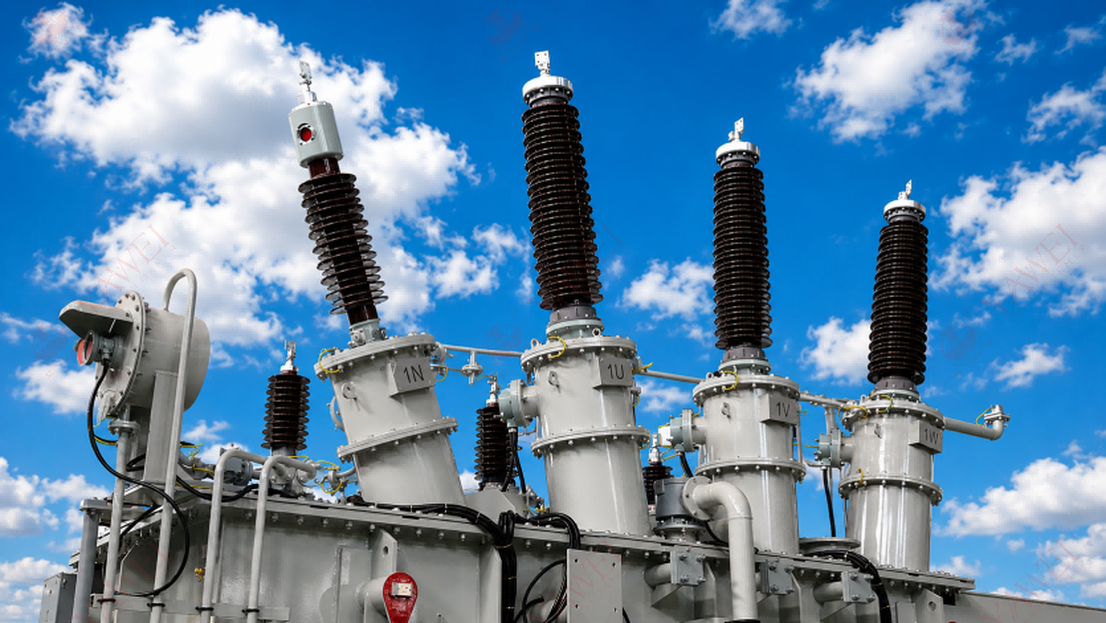
A step up transformer is one of those "behind-the-scenes" heroes in today's electrical power systems. Its job is straightforward: it takes electricity that's coming in at a lower voltage and steps it up to a higher voltage on the output side.
(Click the image for more information.)
Why does that matter? Because when power travels long distances, it's a lot more efficient (and cheaper) to send it at higher voltages. Without step up transformers, long-range electricity transmission would lose more energy along the way-meaning more heat, more loss, and honestly, a lot more hassle.
In simple terms, a step up transformer increases voltage while the current drops in a proportional way.
How Does a Step Up Transformer Work?
At the heart of how it works is a basic physics idea: electromagnetic induction (Faraday's Law). Here's the quick version:
When AC (alternating current) flows through the primary winding, it creates a changing magnetic field in the transformer's core.
That changing magnetic field then "pushes" an induced voltage into the secondary winding.
If the secondary winding has more turns than the primary winding, the voltage you get on the secondary side will be higher than the input.
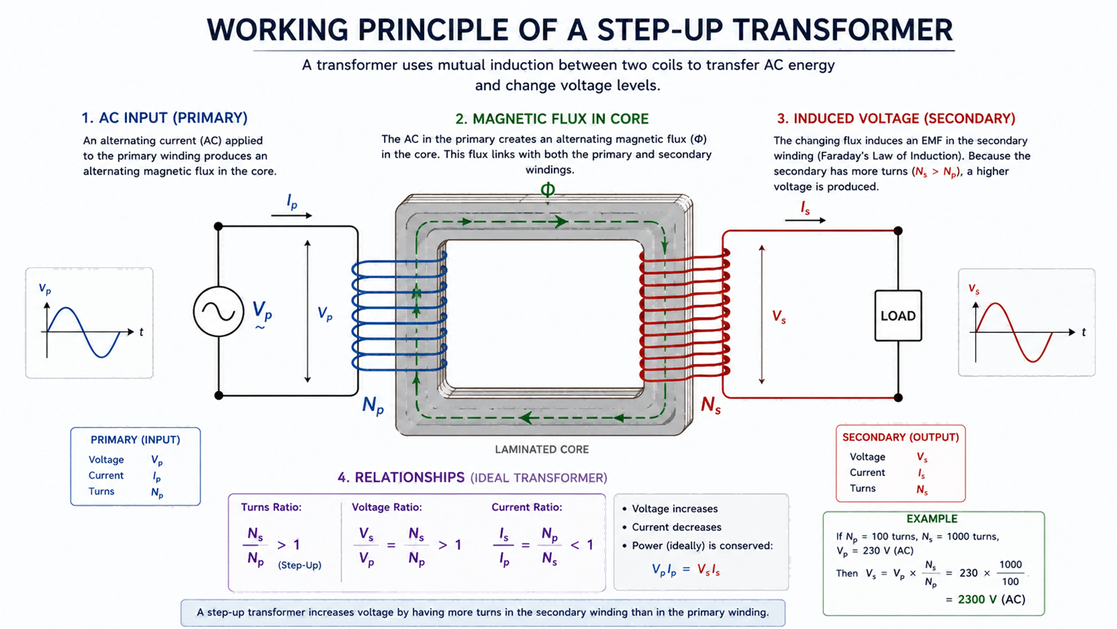
So the flow looks a bit like this:
AC enters the primary coil
A magnetic field forms and keeps shifting
Energy transfers across the core
The secondary coil outputs a higher voltage
And yes-voltage goes up, current goes down (roughly), while overall power stays about the same-minus losses like heat.
One important note: step up transformers are made to work with AC. They don't work directly with DC unless you add extra conversion equipment first.
The Relationship Between Input and Output Voltage
Transformers follow a turns-to-voltage ratio. The idea is:
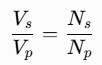
Where:
 = Secondary voltage
 = Primary voltage
 = Number of turns on the secondary coil
 = Number of turns on the primary coil
If the secondary coil has twice as many turns as the primary coil, you'll get roughly double the secondary voltage. (Not exactly perfect, of course-real transformers have losses-but the principle holds.)
Main Components of a Step Up Transformer
A typical step up transformer isn't just one coil and done. It's built with a few key parts working together:
1. Core
The core is usually made from laminated silicon steel. Its job is to guide the magnetic flux efficiently and reduce energy losses.
2. Primary Winding
This coil takes in the incoming voltage. Since it usually has fewer turns, it helps set up the step-up effect.
3. Secondary Winding
This coil delivers the higher output voltage. Because it has more turns, it produces the increased voltage.
4. Insulation System
To prevent electrical leakage and short circuits, transformers use insulation materials. Depending on the transformer design, this can include oil, paper, resin, or other insulation types.
5. Cooling System
Large transformers can get hot during normal operation, so they use cooling methods-like oil circulation, radiators, or fans-to keep temperatures under control.
Where Are Step Up Transformers Used?
Step up transformers show up in a lot of places, from huge power grids to small equipment. Common applications include:
Power Generation Stations
Electricity coming from turbines often starts at lower voltages. Step up transformers raise it to transmission levels like 110 kV, 220 kV, or higher, which makes long-distance power transfer far more efficient.
Renewable Energy Systems
Solar and wind generation doesn't always connect to the grid at the "right" voltage. Step up transformers help raise the generated power so it can feed into the transmission network properly.
Industrial Equipment
Industries sometimes need higher voltages for things like furnaces, heavy machinery, or specialized testing systems. Step up transformers make that voltage conversion safer and easier.
Electronics and Laboratories
Smaller step up transformers are used for testing equipment, audio systems, medical devices, X-ray machines, and more.
Railway Electrification
Electric rail systems rely on transformers for traction power distribution and voltage matching.
Benefits of Using a Step Up Transformer
Honestly, the advantages are pretty hard to ignore:
Better transmission efficiency: higher voltage means lower current, which reduces heat and losses in the lines
Smaller conductor requirements: since current is lower, you can often use thinner cables
Stable voltage conversion: transformers help maintain the voltage levels equipment needs
Energy savings: less loss during transmission adds up over time
Flexible for different uses: from utility-scale substations to compact electronics
Step Up Transformer vs Step Down Transformer (Quick Comparison)
People do mix these up sometimes, so here's the clean distinction:
Step up transformer: increases voltage, decreases current
Step down transformer: decreases voltage, increases current
Simple table:

Both types are essential-you just use them for opposite goals.
How to Choose the Right Step Up Transformer
Picking the "right" transformer depends on a few practical requirements, such as:
Required input and output voltages
Needed power capacity (kVA or MVA)
Frequency compatibility
Cooling method
Whether it's indoor or outdoor
Efficiency rating
Safety standards and certifications
And don't underestimate sizing. A transformer that's too big or too small can cause problems-like inefficient operation, overheating, or reducing the equipment's lifespan.
Maintenance Tips (Because Transformers Need Care)
To keep step up transformers running smoothly, preventive maintenance is key. Typical practices include:
Inspecting the insulation condition
Monitoring oil levels and oil quality (for oil-filled units)
Checking for unusual heating or hot spots
Cleaning bushings and cooling equipment
Running electrical tests periodically
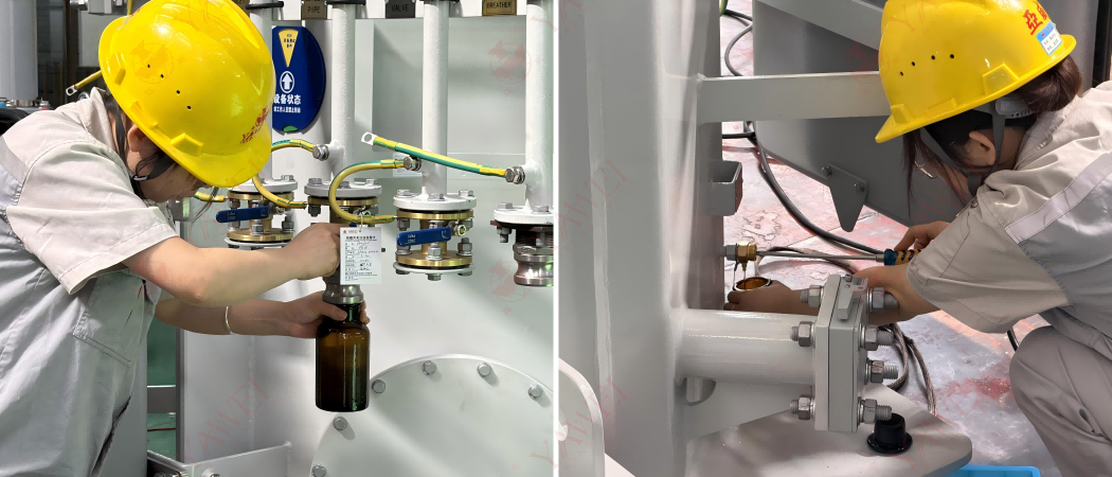
If you stay on top of maintenance, you usually avoid surprise failures-which, frankly, is the best kind of outcome.
Conclusion
A step up transformer is a crucial part of modern electrical power systems. By raising voltage efficiently, it supports long-distance transmission, helps integrate renewable energy into the grid, and powers countless industrial and technical applications.
So whether it's a massive utility transformer behind a substation or a smaller unit in a lab or facility, the step up transformer plays a big role in keeping electricity reliable, efficient, and ready to be used. And as energy demand keeps growing, these transformers will only become more important.


