

Understanding the Functionality of Transformers
A transformer is a static electrical device that transfers alternating-current power from one circuit to another through electromagnetic induction. In practical terms, transformers make electricity usable by raising voltage for efficient transmission, lowering voltage for safer use, isolating circuits, and matching electrical equipment to the power it needs. This guide explains how transformers work, what do transformers do in real systems, and how common transformer types differ.
What does a transformer do?

A transformer changes AC voltage and current levels without changing the supply frequency. If it raises voltage, it is called a step-up transformer; if it lowers voltage, it is called a step-down transformer. The same basic principle supports power grids, building electrical systems, industrial controls, chargers, audio equipment, and measurement circuits.
The reason transformers matter is simple: electrical devices do not all need the same voltage. Long-distance power transmission benefits from high voltage and lower current because lower current reduces resistive line losses. Homes, businesses, and electronic devices then need that voltage reduced to practical levels before use.
The basic parts of a transformer
Most transformers have a few core components. Their size, insulation, enclosure, and cooling method may vary, but the operating idea remains the same.
Primary winding: The coil connected to the input AC supply.
Secondary winding: The coil that delivers transformed voltage to the load.
Magnetic core: A ferromagnetic path that helps guide changing magnetic flux between windings.
Insulation: Material that separates windings and helps prevent unsafe contact or breakdown.
Enclosure or tank: A protective structure, especially important in larger power and distribution units.
Cooling system: Air, oil, or another method used to remove heat in transformers that handle significant power.
The windings are not usually connected electrically. Instead, energy moves through the magnetic field created in the core. This separation is one reason many transformers are useful for electrical isolation, though not every transformer design provides the same level of isolation.
How transformers work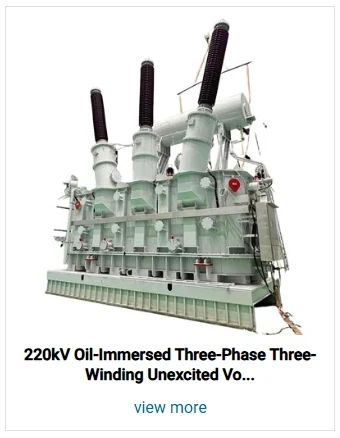
Transformers work through mutual induction. When AC flows through the primary winding, it creates a changing magnetic field in the core. That changing magnetic field links with the secondary winding and induces a voltage across it, allowing power to transfer from one circuit to another.
The number of turns in each winding largely determines whether voltage rises or falls. If the secondary winding has more turns than the primary, the output voltage is higher. If the secondary has fewer turns, the output voltage is lower. In an ideal transformer, voltage ratio follows the turns ratio between the secondary and primary windings.
Current changes in the opposite direction. When voltage is stepped up, current is stepped down for roughly the same power transfer, ignoring losses. When voltage is stepped down, current capacity increases. This balance is why a transformer is not a source of "free" power; it trades voltage and current according to electromagnetic principles and real-world efficiency limits.
Why transformers need AC
A standard transformer needs a changing magnetic field to induce voltage in the secondary winding. Alternating current naturally produces that changing field. Direct current does not continuously change direction, so a conventional transformer will not operate on steady DC in the same way.
Power electronics can convert DC into a switching waveform and then use transformer action, which is common in many modern supplies. Still, the transformer itself relies on changing magnetic flux, not steady current.
Step-up and step-down operation
Step-up transformers increase voltage and reduce current. They are commonly associated with generation and transmission systems, where electricity must travel long distances efficiently. Higher voltage allows the same power to move with less current, reducing heating losses in conductors.
Step-down transformers reduce voltage and increase available current. They are used near the point of consumption, such as distribution networks, buildings, appliances, and low-voltage control systems. Without step-down transformers, many everyday devices would be exposed to voltage levels they were never designed to handle.
A simple way to think about the two functions:
Step-up: More secondary turns than primary turns; voltage rises.
Step-down: Fewer secondary turns than primary turns; voltage falls.
Isolation: Similar voltage may be maintained while circuits remain magnetically coupled rather than directly connected.
Matching: Voltage and current can be adjusted to suit equipment requirements.
Common transformer types
Transformer types are often classified by function, construction, phase, application, and cooling method. The best choice depends on what the system needs the transformer to accomplish, not only on the input and output voltages.
By voltage function

Step-up transformers raise voltage for transmission or equipment requiring higher voltage.
Step-down transformers lower voltage for distribution, controls, chargers, and end-use devices.
Isolation transformers separate circuits to reduce direct electrical connection and manage noise or safety concerns.
Autotransformers use a shared winding arrangement and can be compact and efficient, but they do not provide the same isolation as a two-winding transformer.
By application
Power transformers handle high power levels in transmission and substations.
Distribution transformers reduce voltage for local delivery to homes, commercial buildings, and facilities.
Instrument transformers scale current or voltage for metering, monitoring, and protective relays.
Control transformers supply lower voltages for control circuits in industrial and building equipment.
Audio and signal transformers match impedance, isolate circuits, or transfer signals in specialized systems.
By construction and supply
Core-type and shell-type transformers arrange the windings and magnetic path differently. Single-phase transformers are common in many smaller or residential applications, while three-phase transformers are widely used in industrial and grid systems. Dry-type transformers use air or solid insulation, while oil-filled units use insulating liquid that also helps with cooling.
What affects transformer performance?
No real transformer is perfect. Energy losses, heat, loading, insulation limits, and installation conditions all affect performance. Understanding these factors helps explain why two transformers with the same voltage rating may behave differently in service.
Key performance considerations include:
Copper losses: Heating caused by resistance in the windings.
Core losses: Energy lost in the magnetic core, including hysteresis and eddy current effects.
Voltage regulation: How much output voltage changes between light load and full load.
Efficiency: The percentage of input power delivered usefully to the load.
Temperature rise: Heat buildup that can shorten insulation life if not controlled.
Impedance: A factor that affects voltage drop, short-circuit current, and system protection.
Insulation rating: The ability to withstand electrical stress and operating temperature.
Good transformer design balances these issues. A compact unit may save space, but it still needs adequate insulation and cooling. A transformer selected only by voltage may fail to meet load, fault-current, environmental, or safety requirements.
How should you choose a transformer?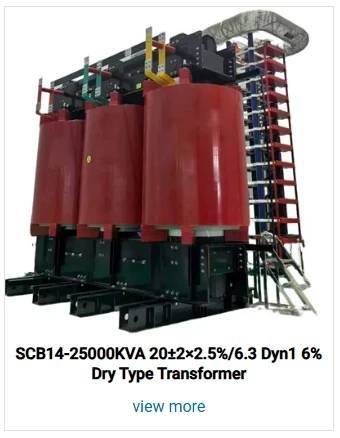
Choose a transformer by matching the electrical task, load, environment, and safety requirements. Start with voltage and power rating, then consider isolation, phase, frequency, enclosure, cooling, regulation, installation location, and applicable standards. For critical systems, selection should involve a qualified electrical professional.
A practical selection checklist includes:
Confirm the input voltage and required output voltage.
Determine whether the load is single-phase or three-phase.
Size the transformer for the expected load power, with suitable margin where appropriate.
Check whether the application needs electrical isolation.
Consider indoor, outdoor, dusty, wet, hot, or corrosive environments.
Review cooling and ventilation needs.
Verify frequency compatibility, especially across regions or specialized equipment.
Coordinate protection, grounding, and installation with local electrical codes.
Everyday uses of transformers
Transformers are easy to overlook because they often work quietly in the background. They help move electricity from generating stations to neighborhoods, adapt voltage inside buildings, power control panels, support chargers and adapters, and provide measurement signals for electrical protection systems.
They also support safer and more reliable electrical design. By stepping voltage up or down, isolating circuits, and matching power requirements, transformers make one electrical source useful for many different loads. That is the practical answer to both "how transformers work" and "what do transformers do": they make electrical energy transferable, adaptable, and usable across modern power systems.
Q: How soon can you delivery the transformer?
A: It depends on the quantity and capacity of the transformer, normally within one month since the date drawing confirmed by buyer.
Q: How long can you provide the quality warranty?
A: 24 months since the date transformer operated.
Q: What payment method do you accept?
A: T/T (wire transfer) preferred, L/C both accepted.


