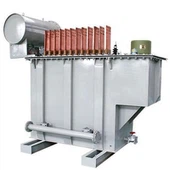
When you hear about an explosion of transformer, it's not exactly the kind of news you want to wake up to. Honestly, these incidents are among the worst things that can go wrong in a power system. Whether it happens at a big substation, inside an industrial plant, or somewhere close to homes, the result is usually dramatic-and dangerous. We're talking loud blasts, fire, thick smoke, and sudden blackouts. If you've ever seen one, you know how scary it can be.
Look, transformers are built tough. They're meant to handle high electrical loads for hours on end. But they're not invincible. Sooner or later, things can go wrong. The good news? Most of the time, an explosion of transformer can actually be prevented-yes, prevented-with some decent maintenance and regular checkups.

So, What Causes an Explosion of Transformer?
You'd be surprised, but it's rarely just one thing. More often, it's a bunch of issues piling up over time until something gives.
Overheating is a big one. Transformers get hot when they run-that's normal. But if the cooling system fails or there's poor airflow, temperatures shoot up. That heat breaks down insulation and weakens parts inside. Eventually, pressure builds up inside the tank, and boom-you get an explosion of transformer.
Then there are electrical faults. Short circuits, lightning strikes, sudden voltage spikes-these can stress the transformer like crazy. If protection devices don't kick in fast enough, internal arcing happens. That arc can set the insulating oil and gases on fire, leading to a violent explosion.
And here's something a lot of people overlook: oil contamination. Transformer oil helps cool and insulate, but over time, moisture, dirt, or just plain aging messes it up. Once the oil goes bad, it can start producing flammable gases. That's a recipe for disaster.
(Transformer explosion accident scene)
Warning Signs You Should Never Ignore
Here's the thing-transformers usually scream for help before they blow up. Well, not literally, but you get the idea. Operators might notice weird humming sounds, a burning smell, smoke, or oil leaks. Sometimes protective relays trip repeatedly for no clear reason.
A sudden rise in vibration? That's another red flag. Ignore these signs at your own risk. A small problem can turn into a full-blown explosion of transformer faster than you think. That's why regular inspections are a total lifesaver.
Why You Should Care About the Risks
The dangers go way beyond broken equipment. An explosion of transformer can injure people, start major fires, and knock out power for thousands of homes or businesses. For factories, the downtime alone can cost a fortune.
And don't forget the environment. Burning transformer oil releases toxic smoke and nasty pollutants. Cleaning up after an explosion can take weeks. Seriously, it's a mess nobody wants to deal with.
How to Stop It Before It Happens
Prevention isn't rocket science-it's about staying on top of things. Regular oil testing, thermal imaging, and gas analysis go a long way. These help catch problems early, before they turn into an explosion of transformer.
These days, many transformers come with smart monitoring systems. They track temperature, pressure, and electrical performance in real time. If something looks off, alarms go off, giving operators a chance to step in before things get ugly.
Also, don't skimp on installation. Good ventilation, surge protection, and using the right-sized transformer for the job really help. Honestly, a lot of transformer explosions happen simply because the equipment was overloaded for too long. That's just asking for trouble.
Final Thoughts
Look, an explosion of transformer is no joke. But it almost never happens out of the blue. Most failures creep up over time-heat, electrical issues, old insulation, or just lazy maintenance. Pay attention to the warning signs, do regular inspections, and you can dramatically lower the risk. Keep your transformers happy, and they'll keep your lights on.