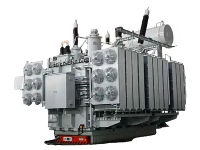
Most people never really think about an electrical substation transformer. And why would they? Unless you work in the power industry, you probably drive right past one without a second glance. Honestly, I used to do the same thing.
But here's the thing-these transformers are doing a huge job every single day, quietly keeping electricity flowing like nobody's business.
From homes and shopping malls to factories and trains, pretty much everything runs on steady power. And that stability? Yeah, a big chunk of the credit goes to the electrical substation transformer, just sitting there, doing its thing behind the fence.

What an Electrical Substation Transformer Actually Does
Okay, so in plain English, an electrical substation transformer changes voltage levels in the power grid. Electricity from power plants? Can't just go straight to your house at the same voltage. That'd be a mess-inefficient and, well, kinda dangerous too.
So what happens is, they crank up the voltage for long-distance travel. Higher voltage means less energy loss along the way. Then, once the power reaches substations near towns or neighborhoods, the electrical substation transformer brings the voltage back down so it's safe for homes and shops.
Sounds a bit technical, I know. But the basic idea is simple: tweak the voltage so electricity moves efficiently and safely. That's it.
How It Works
An electrical substation transformer works through something called electromagnetic induction. Inside, there are windings and a magnetic core. When alternating current hits one winding, it creates a magnetic field that sends energy to another winding.
That process changes the voltage, depending on how the transformer is built. Some step voltage up. Others bring it down.
Of course, the real equipment is way more complex than that quick version. Big substations can have massive transformers with fancy cooling systems, monitoring gear, and protective stuff. Some of them are just enormous, no kidding.
Different Types of Electrical Substation Transformer
Not every electrical substation transformer is the same. Different jobs need different types.

Power Transformers
These are the big, tough guys in transmission systems. They handle super high voltages and huge loads, running nonstop.
Distribution Transformers
These are smaller and hang out closer to you and me. Their job is to lower voltage before electricity reaches homes, offices, and stores.
Dry-Type Transformers
These use air for cooling instead of oil. They're cleaner and less of a fire risk, so you often see them indoors.
Oil-Immersed Transformers
These use insulating oil to stay cool and safe. They're built for tough outdoor conditions, and they handle a lot of abuse pretty well.
Why These Transformers Are So Important
Without the electrical substation transformer, the whole power system would be a hot mess. Voltage control gets tricky, transmission losses shoot up, and equipment starts breaking more often.
Imagine a whole city trying to run without proper voltage regulation. Lights flickering all the time, gadgets dying, blackouts becoming a regular headache. Nobody wants that, right?
These transformers also help with renewables. Solar farms and wind stations usually hook up to substations where transformers tweak the electricity before it hits the grid. And as clean energy keeps growing, transformer tech is becoming even more important.
The Future of Electrical Substation Transformer Technology
These days, the electrical substation transformer is getting smarter. A lot of them now have digital monitors, smart sensors, and remote diagnostics, so operators can spot trouble early.
Utility companies are also working on more efficient designs to cut down power loss and boost reliability. And with electricity demand going up-thanks to electric cars and all the new infrastructure-transformers are going to stay front and center in the power world for a long time.
They might not look exciting from the outside. But trust me, the electrical substation transformer is one of the real workhorses of the modern grid.