

Distribution Transformers: What They Are, Types, Applications, and Maintenance
Distribution transformers are essential components of modern power distribution networks. They are responsible for converting high-voltage electricity from the grid into lower voltage levels that can be safely and efficiently used in homes, businesses, industries, and agricultural systems. As cornerstone devices in electrical infrastructures, distribution transformers play a critical role in ensuring the smooth transmission of power at the local level.
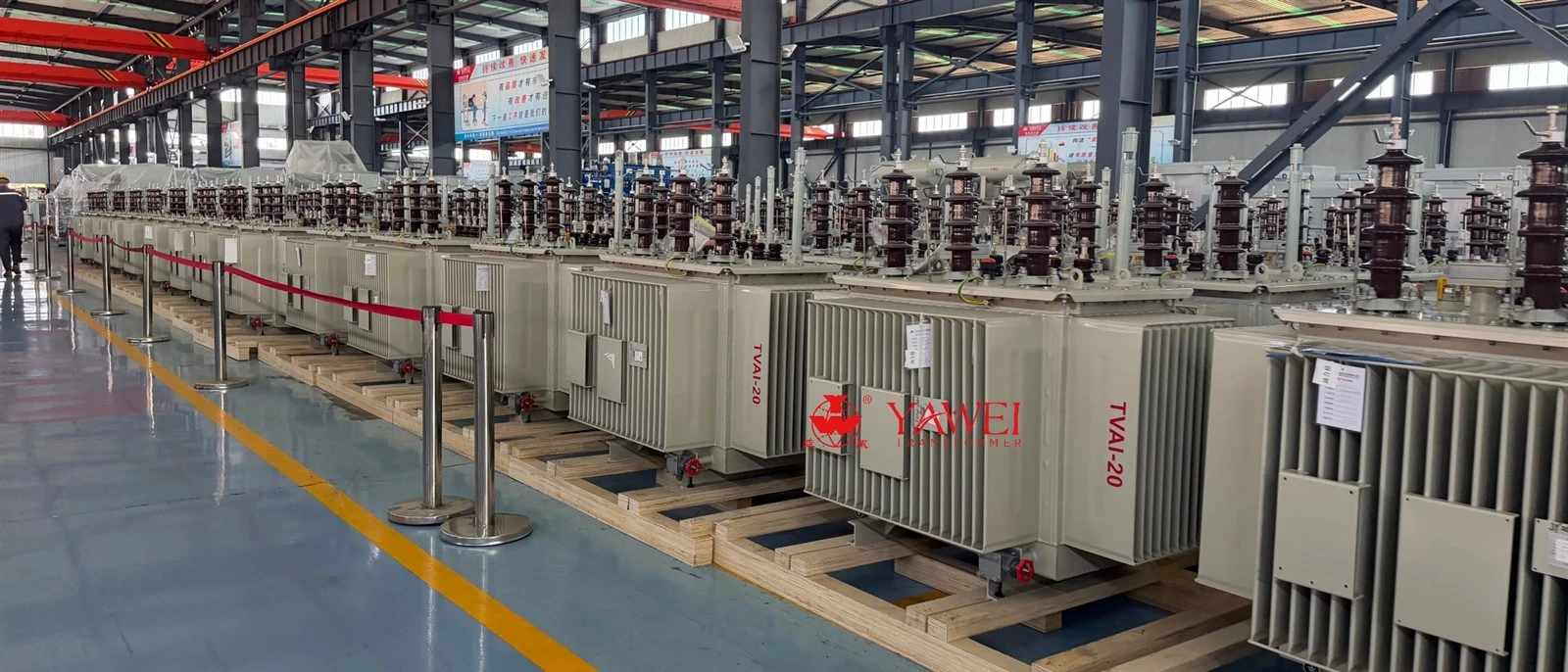
This article provides a comprehensive guide to distribution transformers, including their types, applications, advantages, and maintenance practices.
What Is a Distribution Transformer?
A distribution transformer is an electrical device used to step down the voltage from high transmission levels (e.g., 4 kV to 33 kV) to the lower voltage levels (e.g., 120/240V or 480V) typically required for end users. It ensures consistent delivery of electricity, enabling homes, commercial buildings, industries, and agricultural systems to function efficiently.
Key Components
Core: The laminated steel structure minimizes energy loss (eddy currents and hysteresis loss).
Windings: Copper or aluminum windings are responsible for transferring electrical energy between the high-voltage (primary) side and the low-voltage (secondary) side.
Cooling Medium: Depending on the type (oil-filled or dry-type), transformers use either oil or air for insulation and cooling.
Enclosure: Protects the internal components from environmental hazards.
How It Works
A distribution transformer operates on the principle of electromagnetic induction to convert high-voltage electricity into usable low-voltage energy. Its primary winding receives high-voltage electricity, while its secondary winding delivers reduced voltage suitable for end users.
Types of Distribution Transformers
Distribution transformers come in different designs to meet the specific requirements of residential, commercial, industrial, and agricultural applications.
| Type | Description | Applications |
|---|---|---|
| Oil-Filled Transformers | Uses oil for cooling and electrical insulation. | Outdoor installations, heavy industrial loads |
| Dry-Type Transformers | Uses air instead of oil for cooling and insulation. | Indoor installations, fire-sensitive areas |
| Single-Phase Transformers | Designed to supply electricity to small loads, such as individual homes. | Rural electrification, small businesses |
| Three-Phase Transformers | Handles larger loads for industrial and commercial applications. | Factories, large buildings, industrial parks |
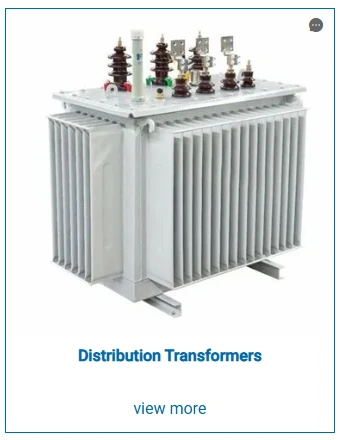
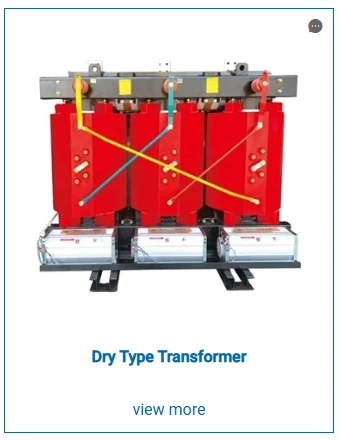
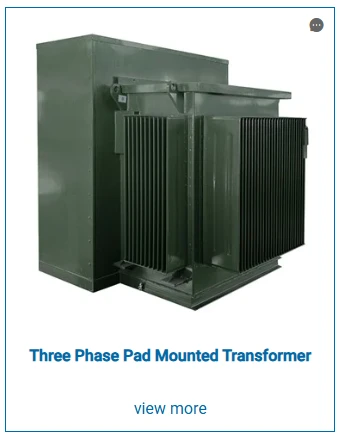
Oil-Filled vs. Dry-Type Transformers
The two main types of distribution transformers are oil-filled and dry-type. Here's a quick comparison:
| Aspect | Oil-Filled Distribution Transformer | Dry-Type Distribution Transformer |
|---|---|---|
| Cooling Medium | Insulating oil for cooling and insulation | Air-based cooling |
| Efficiency | Highly efficient in heat dissipation | Less efficient compared to oil-filled units |
| Applications | Outdoors and industrial settings | Indoors and fire-sensitive environments |
| Maintenance | Requires oil checks and testing | Easy, with minimal maintenance |
Advantages of Distribution Transformers
Distribution transformers have numerous features and benefits that make them critical components in power systems. Key advantages include:
1. Voltage Regulation
Distribution transformers maint ain a stable voltage, ensuring energy is delivered consistently to homes, businesses, and industries without interruptions or fluctuations.
2. Energy Efficiency
Modern designs focus on reducing heat losses caused by core (eddy current and hysteresis) or winding resistance, improving operational efficiency while minimizing energy wastage.
3. Versatile Applications
Whether powering homes, factories, office buildings, or irrigation systems, distribution transformers are adaptable to a wide range of applications across sectors.
4. Compact Design
Designed to fit within tight spaces, distribution transformers offer efficient energy conversion with small footprints, making them ideal for urban installations.
5. Durability and Reliable Performance
With proper design and maintenance, distribution transformers can last for decades, ensuring long-term value.
Applications of Distribution Transformers
Distribution transformers are crucial for delivering low-voltage electricity across diverse environments. Some of their key applications include:
| Sector | Use Case | Examples |
|---|---|---|
| Residential | Steps down voltage for homes and small residential neighborhoods. | Suburban communities, apartment complexes |
| Commercial | Powers retail establishments, offices, and medical facilities. | Shopping malls, office parks, hospitals |
| Industrial | Supplies energy for high-load equipment in manufacturing and production. | Factories, warehouses, industrial parks |
| Agriculture | Provides power for motors, pumps, and irrigation systems in farms. | Crop irrigation, agricultural operations |
Maintenance and Safety of Distribution Transformers
Distribution transformers require regular monitoring and maintenance to ensure optimal performance and longevity.
Maintenance Tips
Routine Inspections
Check insulation levels and connections periodically.
Oil-filled transformers require regular oil level checks to avoid overheating caused by low insulation.
Dry-type transformers should maintain clean vents for proper airflow.
Testing and Diagnostics
Perform voltage stability tests to ensure consistent output.
Conduct inspections for signs of corrosion, leakage, or loose connections.
Proper Cooling Management
Ensure cooling systems (whether oil-based or air-based) are functioning efficiently.
Safety Precautions
Grounding: Proper grounding prevents electrical shocks during faults.
Tamper-Proof Enclosure: Install locked cabinets to prevent unauthorized access or accidental contact with high-voltage components.
Overload Avoidance: Prevent excess electrical load on the transformer, as it can lead to overheating or insulation breakdown.
How to Choose the Right Distribution Transformer
Selecting a distribution transformer depends on your specific requirements for load demands, installation environment, and type of cooling. Here are some key factors to consider:
Voltage and Capacity (kVA):
Ensure the transformer's capacity matches your system's energy demands. For larger loads, opt for three-phase transformers and higher kVA ratings.
Type of Cooling:
Oil-filled: Suitable for outdoor installations and high loads.
Dry-type: Ideal for indoor setups or environments where oil-based solutions may pose fire risks.
Efficiency:
Choose energy-efficient models that adhere to standards like DOE, Energy Star, or ISO to reduce long-term operational costs.
Installation Environment:
Consider temperature, weather conditions, and enclosure designs to ensure the longevity and safety of the transformer.
FAQs About Distribution Transformers
Q1: What voltage does a distribution transformer typically handle?
Distribution transformers step down medium voltage (e.g., 4 kV to 33 kV) to lower voltage levels (e.g., 120/240V) suitable for local use.
Q2: What is the lifespan of a distribution transformer?
With proper installation and maintenance, distribution transformers have a lifespan of 20 to 30 years.
Q3: How do you reduce energy loss in a distribution transformer?
Reduced energy loss comes from optimized designs, such as using laminated steel cores and winding materials that minimize resistance.
Conclusion
Distribution transformers ensure the safe delivery of electrical power to homes, commercial buildings, and industrial systems. Their diverse applications, energy efficiency, and robust design make them indispensable components in modern power grids. Whether you need reliable power for a suburban neighborhood or efficient energy conversion for a factory, distribution transformers are a vital link in your electrical system.
Looking for a distribution transformer that meets your needs?
📧 Contact us today to consult with our experts and learn more about our offerings.
🛒 Browse our catalog to explore high-efficiency transformers for residential, commercial, and industrial applications.
📄 Request a quote now for a custom solution tailored to your power distribution requirements.
With reliable performance, safe operation, and exceptional efficiency, distribution transformers are the backbone of every functional power system. Optimize your energy distribution with the right transformer today!
FAQ
Q: How soon can you delivery the transformer?
A: It depends on the quantity and capacity of the transformer, normally within one month since the date drawing confirmed by buyer.
Q: How long can you provide the quality warranty?
A: 24 months since the date transformer operated.
Q: What payment method do you accept?
A: T/T (wire transfer) preferred, L/C both accepted.


