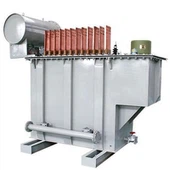
Step-by-step guide on how to install a transformer
A transformer may seem a bit scary to install but if you have the right instructions and preparation, you should be able to do it correctly and safely. I'll take you through every single step of this guide, so that by the end, you'll have all the knowledge necessary to install your transformer with confidence. Whether you're a seasoned pro or just a regular do – it – yourself guy, this step - by - step guide will show you how to do it.
Alright before we move on to the installation process, it is important to know what a transformer is and its importance in an electrical system. Transformers are things that change electrical energy from one circuit to another by using something called electromagnetic induction. They're critical for adjusting voltage levels, so different electrical machines, systems, and whatnot can all work properly.
Transformers are very important to adjust the voltage levels for electricals systems. Electricity can be transmitted long distances by boosting voltage so it loses less energy through them. Both residential as well as commercial sites observe that transformers bring down voltage levels so that electronic stuff is utilized correctly and safely.
Transformer works on the Principle of Electromagnetic Induction are made with primary and secondary coil wound around a magnet. The alternating current goes through the main coil and it forms a magnetic field, this leads to a voltage in the second coil. that is to say that it allows for the transmission of electrical energy between circuits.
different types of transformers
There are different types of transformers. They can be categorized as step-up, step-down, isolation, and autotransformers. Each one has specific purpose, it is to increase or decrease voltage level, or provide electrical isolation between circuit. Knowing what kind of transformer you have is important when it comes time to install it.
Step-Up Transformers: These increase voltage levels and are often used in power plants to transmit electricity over long distances.
Step-Down Transformers: These decrease the voltage. They are widely used in both residential and commercial establishments.
Isolation Transformers: They offer an electrical isolation between the circuit and this can be seen as safer and with less noise.
Autotransformers: These have just a single winding that serves as both the primary and the secondary, so they give a more compact way to change voltages.
tips for installation of the transformers
When there's an issue about handling electrical installations, safety should take the lead. Here are a few safety precaution steps you want to do before you do an installation on your transformer:
Make certain to turn off the power before you begin installing the device. Use a voltmeter to test circuit if de-energorized. This step has to be taken to prevent an electric shock, which will cause serious injury and even death.
Choose right personal protective equipment (PPE) like electrician's gloves, safety glasses,rubber-soled shoes. Put on the right clothes to avoid getting hurt by electricity and things falling down when putting them in place.
Follow the local electrical codes and regulations to have a safe and correct setup. These codes create safety and function standards, protecting those installing it as well as the future users.
If you aren't certain about anything related to installation, reach out for a licensed electrician. With the professional help, we will avoid costly mistakes and be sure to meet all safety and operational standards for installation.

Before the start of the installation, collecting the required items: Here is a shopping list:
Having the right tools make a installation, successful.
Screwdrivers: Necessary for connecting and hanging hardware.
Wrench Set: useful for tightenning bolts and fittings.
Wire Strippers: Prepare wire ends for connection.
Multimeter: Essential for verifying voltage levels and testing connections.
Besides the tools, there are some material that are necessary for the installation.
Mounting Hardware: Brackets and screw for holding the transformer.
Conduit and Fittings: Protects wires, makes installation look neat.
Electrical Tape: Insulates the connection so as not to short circuit.
Wire Connectors: Securely connect the wires and get a good connection.
Well organized workspace is good for install.
Clear the Area: Clean out the workspace and remove any blockages.
Layout Materials: Set tools and materials in place for convenient installation.
Safety Check: inspect all tools and material for defect and damage before use.
Select a proper location for the transformer.
It should be dry, ventilated and it shouldn't block too much. make sure location is easy to get to for fixing and looking at.
Environmental Considerations: Location should be dry and not too hot.
Accessibility: Future maintenance or examinations must be convenient, and they are not to be carried out where it is cramped or confined.
Heat Dissipation: Around the transformer there is appropriate spacing for cooling so as to last longer.
Use the mounting hardware, connect the transformer onto a stable surface.
Make sure it's even, and make it stay still. The transformer is heavy, use the hoist or find help to prevent injury.
Surface Stability: Select an unyielding level expanse that can endure the weight of the transformer and neither sag nor shift.
Level Installation: A level installation makes it so the connections aren't subjected to too much stress and makes for better operation.
Safety Measures: use the correct lifting techniques or tools so you are no get hurt mounting.
Find out the primary(input) ends of the transformer.
Connect the incoming power supply wiring to the terminal. Make each and every connection firm. Use the multimeter on the primary to check if the voltage is matching the transformer's input voltage rating.
Terminal Identification: Properly identify and mark main terminals so as to avoid mistakes when connecting them.
Connection Security: Make sure your connections on your wire are tight, otherwise the wire will be able to spark, and/or be hot.
Voltage Verification: use a multimeter to read the voltage, make sure that it's right or else you will have some damage
Locate the secondary (output) terminals of the transformer.
Plug the load wires into these. And again all of them must be tight and secured. Use a multimeter to check the output voltage and make sure it's at the proper level for what you need it for.
Load Compatibility: Check if the transformer's output voltage is right for the connected things.
Secure Connections: Have some good connections to avoid electric faults or ineffective operation
Output Verification: use a multimeter to check the output voltage and make sure there is a safe voltage for the load to operate.
Grounding correctly is very important for people,safety and for performance.
Connect the transformer's ground terminal to the electrical system ground with the proper wire size. So it can avoid electric shock and work safely.
Ground Connection: The transformer's ground terminal can be connected safely with the system ground.
Wire Gauge: Use the recommended wire gauge to properly ground and avoid electrical dangers.
Safety Assurance: Correct grounding lessens shock dangers and strengthens system dependability.

Before you start the transformer, check all the connections and be sure all the wire is tight.
Then, all is checked, power is returned to the circuit and we try the transformer again. use a multimeter to take an output voltage reading and verify that it meets the specs.
Pre-Power Checks: Inspect all connections for tightness and integrity again before restoring power.
Initial Power-Up: Gradually supply power, and observe if there is anything abnormal with the transformer.
Operational Testing: Measure the output voltage of the transformer when it carries a load to see if it works.
Give it one last look to make sure it's good.
See if there is any weird noises, shaking, or it getting too hot when it is working. If there are any problems, solve them right away to avoid potential problems.
Visual Inspection: Look out for any wear, damage, or odd behavior when using it.
Noise and Vibration: There is something that needs quick fix if strange sounds or movement comes up.
Temperature Monitoring: Make sure the transformer isn't too warm, make it stay at a safe temperature.
maintenance for transformer to work well
Need regular maintenance for transformer to work well. Here are some maintenance instructions to follow:
Do timely checks to find problems and fix them right aways.
Inspect Connections: Keep a watch on all of the connections, making sure that they are sound and aren't corroded:
Visual Checks: search for physical harm and usage that might impact performance
Scheduled Reviews: Do a routine check-up of the transformer on schedule.
Keeps clean and controls its temperature.
Clean the Transformer: Keep the transformer clean and dust & debris free for cooling.
Temperature Checks: Watch the tempreature of the transformer when it works. It is an issue that requires care if too hot.
Preventive Measures: Carry out cleaning and cooling methods to avoid being too hot and stay efficient.
Hire professionals to have your transformer thoroughly checked.
Schedule Professional Inspections: Get a licensed electrician to check on the transformer occasionally and guarantee that it is still in decent working order.
Expert Evaluation: Professionals can find hidden problems and offer solutions.
Maintenance Records: Carefully record the checks service so you can refer back should you do it in the future.
conclusion
Installing a transformer doesn't have to be scary. If you follow this step-by-step guide and practice safety, you will be able to properly install a transformer and have it work as best as it can. Remember, if at any stage you get feeling unsure and uncomfortable go ahead and seek an electrician
When you make the proper preparations and attention to details, you will have your transformer up and running safely very soon. Now that you have this detailed guide, you are now all set to install transformers with confidence and confidence.
FAQ
Q: 1. How soon can you delivery the transformer?
A: It depends on the quantity and capacity of the transformer, normally within one month since the date drawing confirmed by buyer.
Q: 2. How long can you provide the quality warranty?
A: 24 months since the date transformer operated.
Q: 3. What payment method do you accept?
A: T/T (wire transfer) preferred, L/C both accepted.