

Commercial Building Transformer: Types, Applications, and Selection Guide
What Isa Cmmercial Building Transformer?
A commercial building transformer is an essential electrical device that adjusts voltage levels to meet the power requirements of commercial facilities. It receives electricity from the utility grid and converts it into a suitable voltage for lighting, HVAC systems, elevators, office equipment, data networks, and other electrical loads.
Commercial buildings often require reliable three-phase power distribution to support multiple electrical systems operating simultaneously. Shopping malls, office towers, hospitals, hotels, schools, and data centers all depend on properly selected transformers to maintain stable and efficient power supplies.
Unlike small residential transformers, commercial building transformers are generally designed to handle higher electrical loads, continuous operation, and more demanding installation conditions.
Why Do Commercial Buildings Need Transformers?
Electricity supplied by utility companies may arrive at medium-voltage levels, such as 11 kV, 13.8 kV, or 33 kV, depending on the local distribution network. However, most commercial electrical equipment operates at lower utilization voltages, such as 400/230 V, 480/277 V, or other regional standards.
A commercial building transformer bridges this voltage difference.
Its primary function is voltage transformation, but it also plays an important role in electrical distribution planning. A properly selected transformer helps maintain voltage stability, reduce unnecessary power losses, and provide sufficient capacity for changing building loads.
For large commercial facilities, multiple transformers may be installed to serve different floors, electrical rooms, or building zones. This arrangement can improve operational flexibility and make maintenance easier without interrupting the entire building's power supply.
Common Types of Commercial Building Transformers
Different commercial projects require different transformer designs. The choice depends on installation location, load characteristics, fire safety requirements, environmental conditions, and maintenance preferences.
1. Dry-Type Transformers
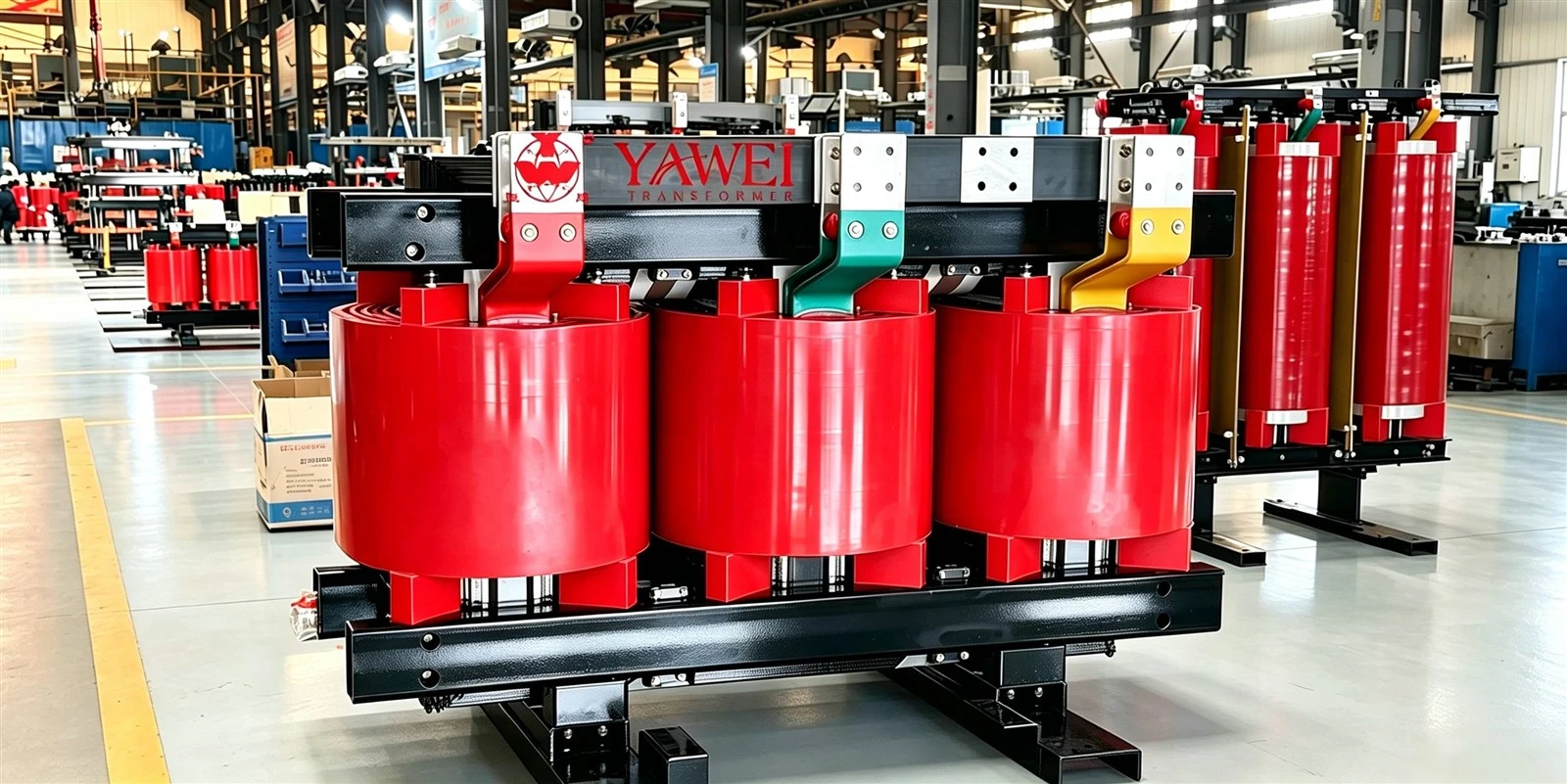
Dry-type transformers are widely used in commercial buildings, particularly where indoor installation is required. Their windings are insulated using solid insulation materials rather than liquid insulating oil.
Cast resin transformers are a common option because their encapsulated windings provide good moisture resistance and mechanical strength. They are suitable for office buildings, hospitals, shopping centers, schools, and underground facilities.
Dry-type transformers also reduce the risk of oil leakage, making them attractive for installations where fire protection and environmental considerations are important.
2. Oil-Immersed Transformers
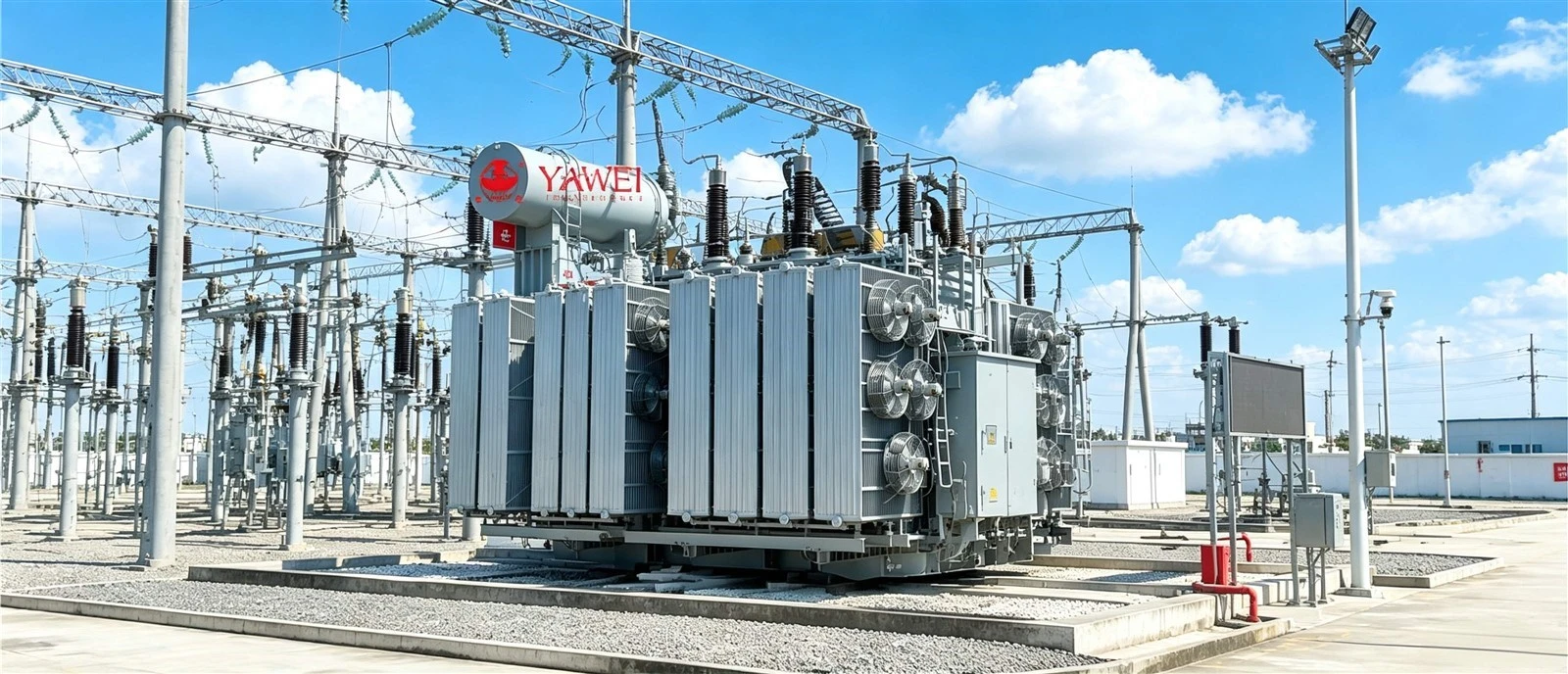
Oil-immersed transformers use insulating oil for both electrical insulation and heat dissipation. They are commonly installed in outdoor substations or dedicated transformer rooms designed for liquid-filled equipment.
Compared with dry-type units of similar ratings, oil-immersed transformers can offer economical solutions for larger power requirements. They are often selected for commercial complexes, industrial parks, and large buildings with outdoor transformer installations.
However, installation planning must consider oil containment, fire protection, ventilation, and applicable local regulations.
3. Pad-Mounted Transformers
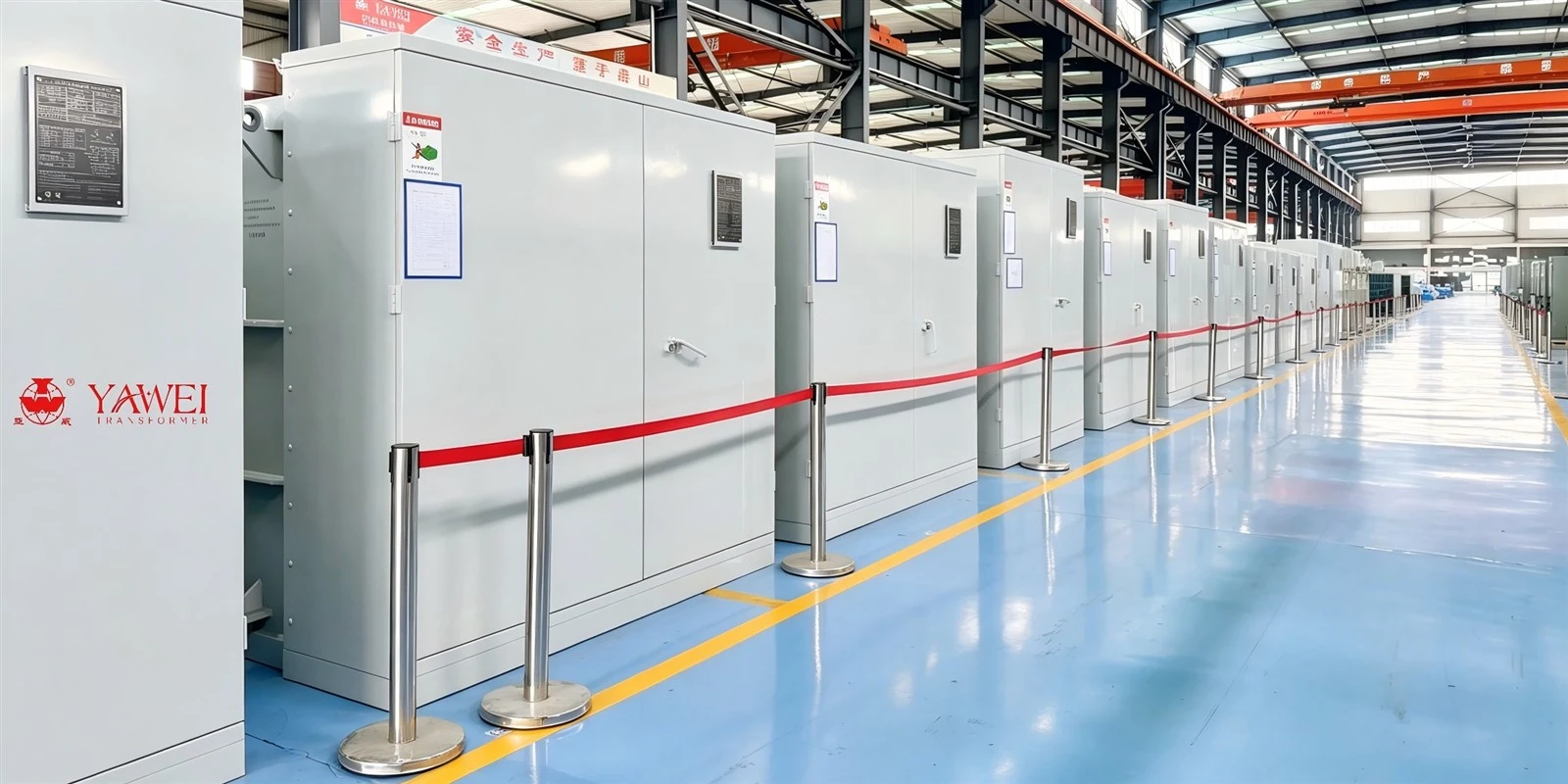
Pad-mounted transformers are enclosed distribution transformers installed on concrete pads, typically outdoors. Their tamper-resistant cabinets provide protection for energized components and make them suitable for underground distribution systems.
They are frequently used in shopping centers, office parks, hotels, and commercial developments where underground cables are preferred for space management and appearance.
Typical Commercial Building Transformer Applications
Commercial buildings have different electrical demands depending on their size and purpose.
In office buildings, transformers supply power to lighting, elevators, air conditioning, computers, server rooms, and general electrical outlets. Shopping malls require transformers capable of supporting escalators, refrigeration systems, lighting, ventilation, and retail equipment.
Hospitals and healthcare facilities have more demanding requirements because medical equipment, emergency systems, and critical HVAC loads require dependable power distribution. Data centers also require carefully engineered transformer systems to support UPS equipment, cooling infrastructure, and high-density IT loads.
The following table provides a general overview.
|
Building type |
Typical electrical loads |
Common transformer choice |
|---|---|---|
|
Office buildings |
HVAC, lighting, elevators |
Dry-type |
|
Shopping malls |
Escalators, refrigeration, lighting |
Dry-type / oil-immersed |
|
Hospitals |
Medical equipment, emergency systems |
Dry-type |
|
Hotels |
HVAC, elevators, kitchens |
Dry-type / oil-immersed |
|
Data centers |
UPS, servers, cooling |
Dry-type |
|
Commercial parks |
Mixed building loads |
Pad-mounted / oil-immersed |
The actual transformer configuration should be determined through an electrical load assessment and project-specific engineering requirements.
How to Choose the Right Commercial Building Transformer
Selecting a commercial building transformer requires more than matching its rated capacity to the building's estimated electricity consumption.
Transformer capacity (kVA) is one of the first considerations. Engineers should calculate the connected load, maximum demand, power factor, and expected load growth. HVAC systems, elevators, motors, and other equipment may also introduce starting currents or load variations that need to be considered.
A transformer should not be continuously operated beyond its rated capacity. At the same time, excessive oversizing can increase initial investment and no-load losses.
Primary and secondary voltage must match the utility supply and the building's electrical distribution system. Three-phase transformers are commonly used for commercial applications because they can efficiently supply large electrical loads.
Installation environment is another important factor. Indoor electrical rooms often favor dry-type transformers, while outdoor substations may use oil-immersed or pad-mounted designs. Ambient temperature, humidity, ventilation, altitude, and available installation space should all be evaluated.
Finally, buyers should consider energy efficiency, temperature rise, impedance, noise level, insulation class, protection requirements, and applicable standards such as IEC 60076 or IEEE standards.
Commercial Building Transformer Maintenance
Regular maintenance helps extend transformer service life and reduce the risk of unexpected electrical failures.
For dry-type transformers, inspections should focus on winding insulation, dust accumulation, cooling air passages, electrical connections, and abnormal operating temperatures. Proper ventilation is particularly important because restricted airflow can increase winding temperatures.
For oil-immersed transformers, maintenance may include checking oil levels, inspecting for leaks, monitoring oil temperature, testing insulation oil quality, and examining protective devices.
Infrared temperature inspections and periodic electrical testing can also help identify loose connections, overheating, insulation deterioration, and other developing problems.
Maintenance intervals should follow manufacturer recommendations and the operating conditions of the installation.
Reliable Commercial Building Transformers from Yawei Transformer
Choosing an experienced transformer manufacturer is important for commercial building projects where electrical reliability, efficiency, and long-term operating costs matter.
Jiangsu Yawei Transformer Co., Ltd., established in 1993, is a subsidiary of Yawei Group and a national high-tech enterprise specializing in transformer manufacturing. With more than 30 years of manufacturing experience, Yawei provides a range of transformer solutions for commercial, industrial, utility, and renewable energy applications.
Its product portfolio includes dry-type transformers, cast resin transformers, oil-immersed distribution transformers, and customized power distribution solutions.
For commercial building developers, EPC contractors, electrical consultants, and equipment distributors, transformer selection should be based on actual load requirements, installation conditions, and project specifications.
Whether a project requires an indoor dry-type transformer or an outdoor oil-immersed distribution transformer, Yawei can provide technical support to help identify a suitable solution.
Contact Yawei Transformer to discuss your commercial building transformer requirements and request a customized quotation.
FAQ
Q: How soon can you delivery the transformer?
A: It depends on the quantity and capacity of the transformer, normally within one month since the date drawing confirmed by buyer.
Q: How long can you provide the quality warranty?
A: 24 months since the date transformer operated.
Q: What payment method do you accept?
A: T/T (wire transfer) preferred, L/C both accepted.


