

Lightning Surge Arrester of a Transformer: Working Principle, Types and Installation
Lightning strikes and electrical switching operations can generate high-voltage surges in power distribution systems. These transient overvoltages can damage transformer insulation, winding structures, bushings, and other electrical components. To reduce these risks, a lightning surge arrester of a transformer plays an important role in protecting electrical equipment and maintaining reliable power supply.
A transformer surge arrester provides a controlled path for excessive surge current to flow safely into the grounding system. It limits the voltage appearing across transformer insulation, helping prevent costly equipment failures and unexpected power interruptions.
Understanding how transformer surge arresters work, where they should be installed, and how to select the right device is essential for designing a reliable electrical power system.
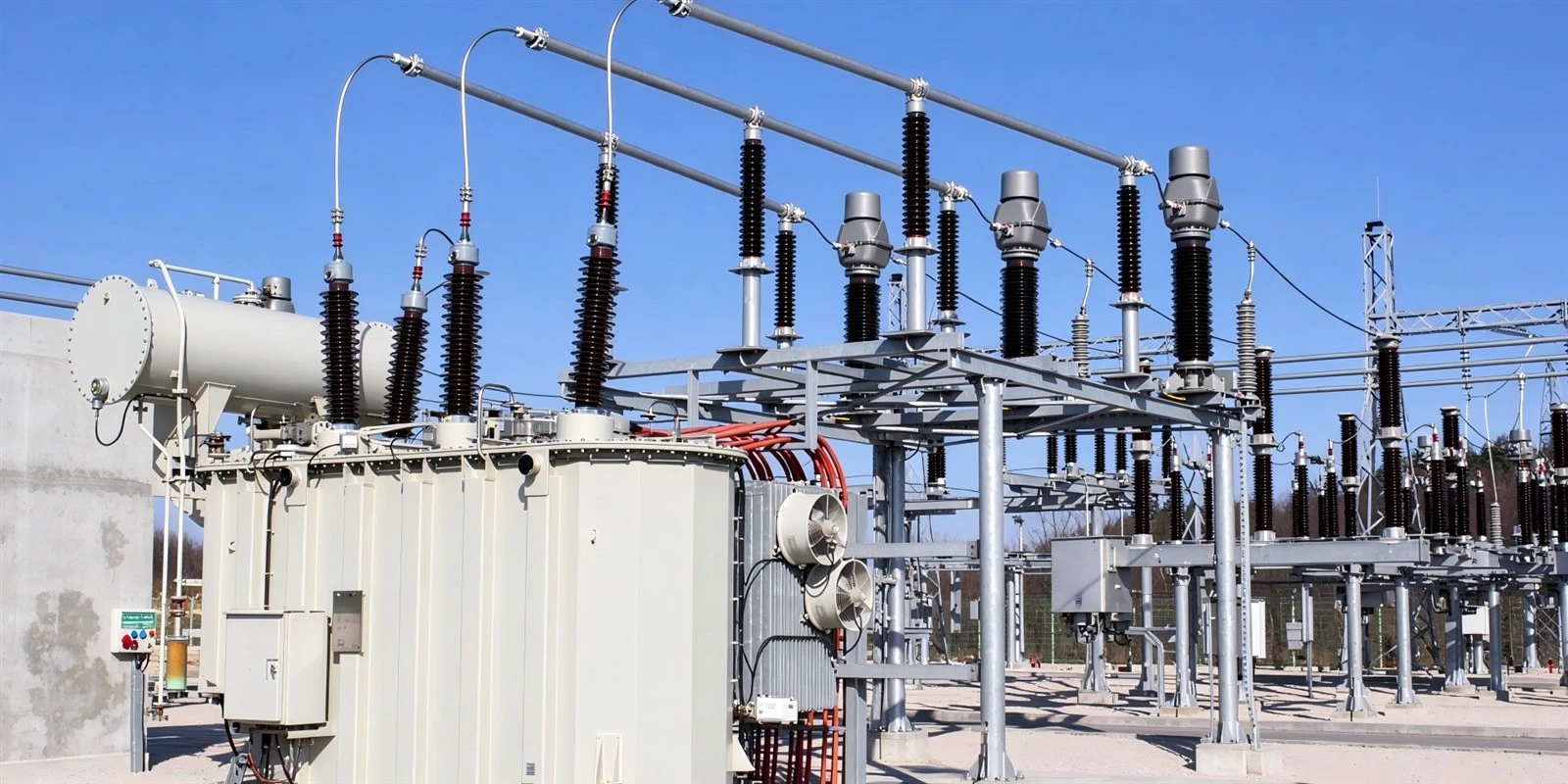
What Is a Lightning Surge Arrester of a Transformer?
A lightning surge arrester is a protective electrical device designed to limit transient overvoltages caused by lightning strikes or switching operations.
It is generally installed between the transformer phase conductor and the grounding system, electrically connected in parallel with the equipment being protected. Under normal operating voltage, the arrester presents very high resistance and allows little current to pass through it.
When a lightning or switching surge raises the voltage above its protective operating level, the arrester becomes highly conductive. It diverts the surge current toward ground and limits the voltage across the transformer insulation.
Once the transient surge disappears, the arrester returns to its high-resistance state.
Modern transformer surge arresters commonly use metal oxide varistor (MOV) technology, particularly zinc oxide (ZnO) elements. These components provide fast voltage-limiting characteristics and reliable protection without requiring a series spark gap in conventional gapless designs.
How Does a Transformer Surge Arrester Work?
The working principle of a transformer lightning arrester is based on its nonlinear voltage-current characteristics.
During normal operation, the voltage across the arrester remains within its continuous operating range. Its resistance is extremely high, so only a small leakage current flows.
When lightning strikes a transmission line or nearby electrical equipment, a high-voltage traveling wave may propagate toward the transformer. If the voltage exceeds the arrester's conduction threshold, the MOV elements rapidly reduce their resistance.
The arrester then conducts the surge current to the grounding system, limiting the voltage that reaches the transformer terminals.
After the surge current decreases, the MOV elements return to their high-resistance condition, allowing the transformer to continue operating normally.
It is important to understand that a surge arrester does not eliminate lightning strikes or prevent every possible electrical fault. Its purpose is to limit transient overvoltages to a level that the transformer's insulation system can withstand.
Types of Lightning Surge Arresters Used for Transformers
Different surge arrester designs are available depending on system voltage, installation environment, and protection requirements.
Metal Oxide Surge Arresters
Metal oxide surge arresters are widely used in modern power systems. They typically use zinc oxide varistor blocks to provide nonlinear voltage protection. Their fast response, high energy absorption capability, and compact design make them suitable for distribution and power transformers.
Polymer-Housed Surge Arresters
Polymer-housed arresters use an insulating polymer exterior instead of a traditional porcelain housing. They are lightweight, resistant to environmental contamination, and suitable for outdoor installations. Their mechanical characteristics can also reduce the risk of damage from housing fragmentation.
Porcelain-Housed Surge Arresters
Porcelain-housed surge arresters have traditionally been used in substations and high-voltage installations. They offer strong mechanical and electrical insulation properties, although their weight and potential housing fragmentation should be considered during equipment selection.
For most modern transformer applications, gapless metal oxide surge arresters are a common choice.
Where Should a Lightning Arrester Be Installed on a Transformer?
The installation position directly affects the effectiveness of transformer surge protection.
For an outdoor oil-immersed transformer, surge arresters are commonly installed close to the high-voltage bushings. They are connected between the incoming phase conductors and the transformer grounding system.
The distance between the arrester and the protected transformer terminals should be kept as short as practical. Long connecting conductors can introduce additional inductive voltage during fast-rising surge currents, reducing the actual protection level at the transformer terminals.
For distribution transformers connected to overhead lines, arresters are often installed near the transformer primary terminals to protect against incoming lightning surges.
In substations, surge arresters may also be installed at line entrances, transformer terminals, and other important equipment locations, depending on the insulation coordination design.
Proper grounding is equally important. The arrester grounding connection should provide a low-impedance path to the station grounding grid. Poor grounding can significantly reduce its protective performance.
How to Select the Right Surge Arrester for a Transformer
Selecting a suitable lightning surge arrester requires more than simply matching its voltage rating to the transformer.
The system's maximum continuous operating voltage must first be considered. The arrester's maximum continuous operating voltage (MCOV) should be appropriate for the actual system voltage and grounding arrangement.
The nominal discharge current and lightning impulse residual voltage are also important selection parameters. The residual voltage should remain below the transformer's lightning impulse withstand level (BIL), with an appropriate insulation coordination margin.
For medium- and high-voltage transformers, engineers should also evaluate switching surge withstand requirements, temporary overvoltages, short-circuit conditions, and the arrester's energy-handling capability.
Environmental conditions matter as well. Outdoor installations exposed to humidity, pollution, salt spray, and temperature variations may require specific housing materials and creepage distance designs.
The final selection should follow applicable IEC 60099-4 or IEEE C62.11 requirements, together with the project's electrical protection specifications.
Common Problems with Transformer Surge Arresters
Although surge arresters are designed for long-term operation,  they can deteriorate due to repeated surge events, excessive temporary overvoltages, moisture ingress, and thermal stress.
An arrester that has experienced severe electrical stress may develop increased leakage current or internal damage. In some cases, it can fail to provide effective overvoltage protection.
Regular inspection is therefore important, especially for transformers operating in areas with frequent lightning activity.
Maintenance personnel should check for visible housing damage, contamination, loose electrical connections, grounding problems, and signs of overheating. Where appropriate, leakage-current monitoring and manufacturer-recommended diagnostic tests can help identify deterioration before complete failure occurs.
Why Transformer Surge Protection Matters
A properly designed surge protection system helps extend transformer service life, reduce insulation failure risks, and improve the reliability of electrical distribution networks.
For industrial facilities, commercial buildings, renewable energy projects, and utility substations, transformer damage caused by lightning can lead to expensive repairs and significant downtime.
Choosing a suitable arrester and installing it correctly are therefore important parts of transformer system design.
Conclusion
A lightning surge arrester of a transformer is an essential protective component in modern electrical power systems. By limiting transient overvoltages and diverting surge currents safely to ground, it helps protect transformer insulation and maintain reliable operation.
Correct voltage selection, insulation coordination, short connection distances, and effective grounding all contribute to successful surge protection.
Jiangsu Yawei Transformer Co., Ltd., established in 1993, has more than 30 years of experience in transformer manufacturing. As a transformer manufacturer serving global power and industrial applications, Yawei provides transformer solutions designed around different voltage levels, operating environments, and project requirements. Contact Yawei's engineering team to discuss transformer specifications and protection requirements for your next project.
FAQ
Q: How soon can you delivery the transformer?
A: It depends on the quantity and capacity of the transformer, normally within one month since the date drawing confirmed by buyer.
Q: How long can you provide the quality warranty?
A: 24 months since the date transformer operated.
Q: What payment method do you accept?
A: T/T (wire transfer) preferred, L/C both accepted.


