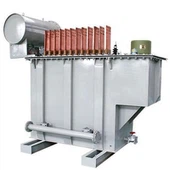
Dry Type Transformer for Indoor Installation Specifications: A Complete Guide
Dry type transformers have become a go-to choice for indoor setups these days. They're safe, straightforward to install, and pretty reliable overall. In this article, I'll walk you through the key dry type transformer for indoor installation specifications - everything from standards and technical details to practical installation tips and best practices.
What Exactly Is a Dry Type Transformer?
Basically, a dry type transformer cools and insulates itself using air or solid materials like epoxy resin, instead of oil. No flammable liquids means way less fire risk, which makes them perfect for indoor spots like offices, hospitals, schools, data centers, and factories. You don't have to worry about oil leaks or messy containment systems.

Why They're Great for Indoor Use
Here's why so many people pick them:
Almost zero chance of oil-related fires or spills
They need very little maintenance
Much friendlier to the environment
Easier to get approved under building codes
Safe to place in areas where lots of people hang out
Must-Follow Standards and Certifications
When you're specifying a dry type transformer for indoor installation specifications, make sure it ticks these boxes:
IEC 60076-11 - the main international standard for dry-type transformers
IEEE C57.12.01 and C57.12.51 - general requirements
UL 1561 - safety standard
NEMA ST-20 - performance guidelines
NEC Article 450.21 - rules for indoor installations in the US
DOE 2016 - energy efficiency requirements
Typical Technical Specifications
| Parameter | Common Range / Details |
|---|---|
| Power Rating | 15 kVA up to 2,500 kVA (100–1,500 kVA is most popular) |
| Voltage Class | Low voltage (up to 600V) or medium voltage (up to 34.5 kV) |
| Phases | Usually 3-phase |
| Frequency | 50 Hz or 60 Hz |
| Temperature Rise | 80°C, 115°C, or 150°C |
| Insulation Class | Class F or Class H |
| Impedance | 4% to 7% |
| Cooling | Natural air (AN), sometimes with fans (AF) |
| Windings | Copper or aluminum |
| Efficiency | Meets modern DOE and IEC levels |
| Noise | Around 45–75 dBA, depending on size |
Enclosure and Build Details
For indoor use, most come in these types:
NEMA 1 ventilated enclosures - the standard pick for most indoor jobs
IP20 or IP23 protection levels
Sturdy steel body with good ventilation openings
Totally enclosed versions (TENV) if the area gets dusty or humid
Cast resin or VPI windings for extra durability
Indoor Installation Tips and Clearances
Getting the installation right really matters for safety and performance. Here's what you should keep in mind:
Clearance Rules (based on NEC and manufacturer advice):
At least 12 inches (300 mm) from combustible walls for smaller units (up to 112.5 kVA)
Bigger transformers often need extra space or fire-rated walls
Leave 6–12 inches around the sides for airflow
Keep 3–4 feet clear in front so you can actually work on it
Ventilation Needs: The room should have decent fresh air flow - roughly 2.5 to 3 cubic meters per minute for every kW of losses. Keep the area clean, dry, and not too hot (max 40°C ambient is ideal).
Mounting Basics:
Set it on a solid, level concrete floor
Add vibration pads if noise is a concern
Don't forget proper grounding
Safety and Protection Features
Most good units include:
Temperature sensors (like PT100) with alarms and trips
Overload protection
Surge arresters on medium voltage models
Optional automatic cooling fans
Maintenance - It's Pretty Easy
Dry type transformers don't demand much attention, but it's smart to:
Check them once a year for dust buildup
Clean the vents
Tighten connections
Do insulation testing every couple of years
Picking the Right One
When choosing, think about:
Your current and future load needs
Voltage requirements
The environment where it'll sit (dust, heat, altitude, etc.)
How quiet it needs to be
Energy efficiency goals
Whether you want copper or aluminum windings
Wrapping It Up
Understanding dry type transformer for indoor installation specifications helps you get a safe, efficient, and long-lasting setup. Work with a good electrical engineer and trusted brands like Yawei Transformer. Share your kVA, voltages, and site details with suppliers for the best recommendations.
Got questions or need help with a specific project? Feel free to drop more details!
FAQ
Q: How soon can you delivery the transformer?
A: It depends on the quantity and capacity of the transformer, normally within one month since the date drawing confirmed by buyer.
Q: How long can you provide the quality warranty?
A: 24 months since the date transformer operated.
Q: What payment method do you accept?
A: T/T (wire transfer) preferred, L/C both accepted.