

Electric Transformer Box: Purpose, Components, Types, and Safety
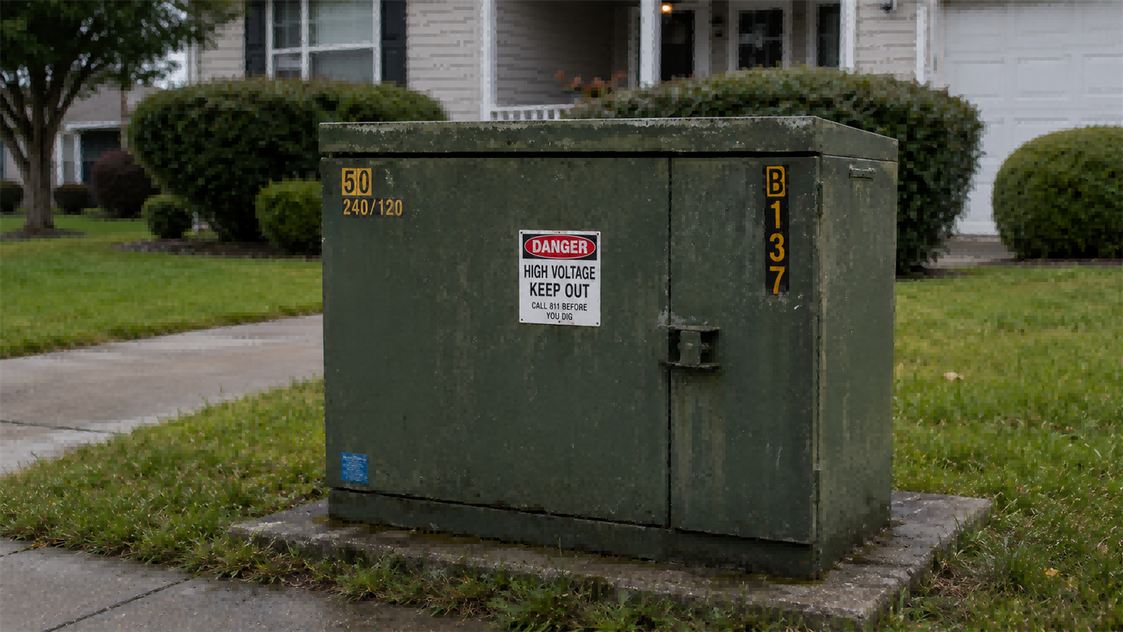
An electric transformer box is a tough, metal enclosure that houses a transformer. Its job is pretty straightforward but super important: it takes higher-voltage electricity from the grid and steps it down to a lower voltage that homes and businesses can actually use (often 120/240 volts in residential areas).
Those green boxes you see on lawns, near sidewalks, or at street corners aren't just for looks. They help keep people and pets away from dangerously high voltage, while also protecting the equipment from the weather and everyday mess.
What an Electric Transformer Box Does
Voltage reduction (the main mission)
At the end of the day, the transformer box's whole purpose is to lower high-distribution voltages into levels that are safe and usable for household appliances.
Safety protection (locked for a reason)
Because the electrical parts inside can be live, the unit is locked, insulated, and grounded. That metal casing is like a barrier between the public and the risky electrical components.
Weather shielding (rain happens)
Outdoor transformer boxes are built to handle rain, wind, and debris. When they're working correctly, they help keep power flowing without constant interruptions.
Better reliability with underground power
In many areas, transformer boxes support underground electrical distribution, which usually means fewer outages than overhead lines-less exposure to wind, trees, and storms knocking things around.
Common Components Inside (or Connected to) a Transformer Box
Every transformer setup is a little different, but most contain similar key parts.
1. Core components (the "active" part)
Core: Made of stacked, laminated steel sheets (often silicon steel). It creates a low-reluctance path for magnetic flux, so energy can transfer efficiently between windings.
Windings (primary and secondary): Coils of insulated copper or aluminum wire. The primary winding takes in high voltage, and the secondary winding sends out the lower voltage you use.
Insulating oil: Mineral oil surrounds the core and windings. It helps with insulation and also carries heat away so temperatures don't get out of hand.
2. Protection and safety devices
Fuses / fuse links: These protect the transformer from overcurrent and short circuits. If something goes wrong, they can "blow" and shut things down to prevent bigger damage.
Surge / lightning arresters: These help protect the system from voltage spikes-lightning is the classic example-by diverting excess voltage safely toward the ground.
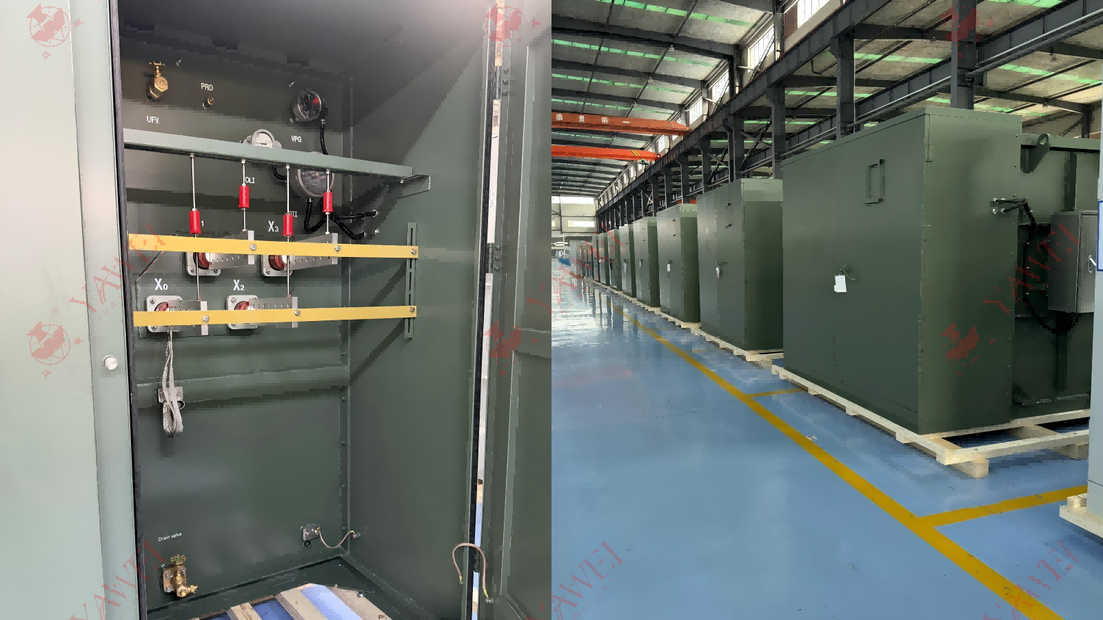
Pressure relief device (PRD): If an internal fault causes dangerous pressure to build up, this device helps relieve it so the tank doesn't rupture or explode.
Buchholz relay (on larger units): A gas-detection safety relay that can sense internal faults (like gas buildup). It may trigger an alarm or trip protective equipment.
Lockable steel enclosure: The box itself is part of the safety system-keeping energized components protected and secure.
3. Electrical connections
Bushings: Porcelain or polymer insulators that let conductors pass through the grounded tank safely, helping prevent arcing.
Load break switch: Used so technicians can isolate the transformer even while under load, making maintenance safer.
Tap changer: Adjusts the transformer's output by changing how many turns the windings use. This helps keep voltage more stable when conditions fluctuate.
4. Cooling and monitoring
Cooling radiators/tubes: These increase the surface area to help dissipate heat from the oil.
Silica gel breather: Keeps incoming air dry (moisture is bad news for insulation).
Oil level indicator / sight glass: Lets technicians check that the oil level is correct.
Temperature gauges (WTI/OTI): Measures oil and winding temperatures so overheating can be detected early.
5. Compartmentalization (how the box is organized)
Many box-type transformers are split into compartments, like:
High-voltage (HV) compartment: Often includes HV fuses, load-break switches, and bushings.
Low-voltage (LV) compartment: Usually contains LV terminals, metering, and protection devices.
Transformer tank: The central sealed section holding the oil-immersed core and coils.
Types of Transformer Boxes
Pad-mounted transformers
These are tamper-proof, compartmentalized metal boxes installed on concrete pads. You'll commonly find them in residential areas, schools, and commercial zones, and they usually connect to underground cable.
Single-phase: Often green and rectangular, serving small groups like 2–3 houses.
Three-phase: Bigger units used where higher power is needed, like commercial or industrial sites.
Pole-mounted transformers (the "can" style)
These are cylindrical units mounted on utility poles-common in rural areas or places that still use overhead power lines. They're often simpler and cheaper to install for aerial distribution.
Underground/vault transformers
For dense, space-limited, or high-security urban environments, transformers may be installed underground inside vaults. These are built to be durable and reliable in subterranean conditions.
Classification by Function and Construction
Compact substation / box-type transformer substation
A pre-fabricated setup that combines high-voltage switchgear, the transformer, and low-voltage equipment in one compact unit-often a go-to for city distribution.
Dry-type transformer box
Instead of oil, it uses air or solid resin for cooling and insulation. It's often chosen for indoor applications and places like hospitals or environments where oil containment is a concern.
Oil-immersed transformer box
Uses mineral oil for insulation and cooling, making it a good fit for higher-power outdoor applications and many industrial settings.
Key Components You'll Hear About in a Box
Transformer core (the voltage-changing part)
Switchgear & fuses (fault protection and isolation)
Dead-front terminations (common on pad-mounted units, helping ensure no exposed energized parts are accessible)
Installation Considerations (Don't Skip This Part)
Proper installation isn't optional if you want safety and long-term performance. The big things are:
Correct location: Leave enough room for maintenance and ventilation. Also avoid spots where water can collect around seals.
Foundation and mounting: Stable mounting prevents strain on cables and connections.
Cable routing: Correct glands and strain relief help prevent water intrusion and physical damage.
Grounding: Grounding must meet code requirements and be verified during commissioning.
Weather sealing: Door gaskets and cable entry seals need to be intact and properly installed.
Safety Guidelines (Seriously-be careful)
Working near transformer boxes involves high voltage. So the safe rule is simple: if you're not trained/authorized, don't touch it.
Only qualified electricians or utility technicians should service them.
Don't open the enclosure unless you're trained and permitted.
Keep the area clear-especially around pad-mounted units.
Pay attention to warning labels, lockout/tagout rules, and site procedures.
If you notice burning smells, buzzing, smoke, or damaged insulation, contact the utility or a licensed professional right away.
Maintenance and Inspection
Transformer boxes typically need routine inspections, like:
Checking doors, locks, seals, and hardware condition
Verifying grounding continuity
Looking for signs of water ingress or corrosion at cable entries
Ensuring any ventilation openings (if present) aren't blocked
Making sure warning labels are visible and not damaged
Depending on the transformer type and how critical it is, utilities may also do things like oil sampling, temperature monitoring, and other diagnostic tests.


